Do Ants Protect Aphids? Why You Have to Deal With Both
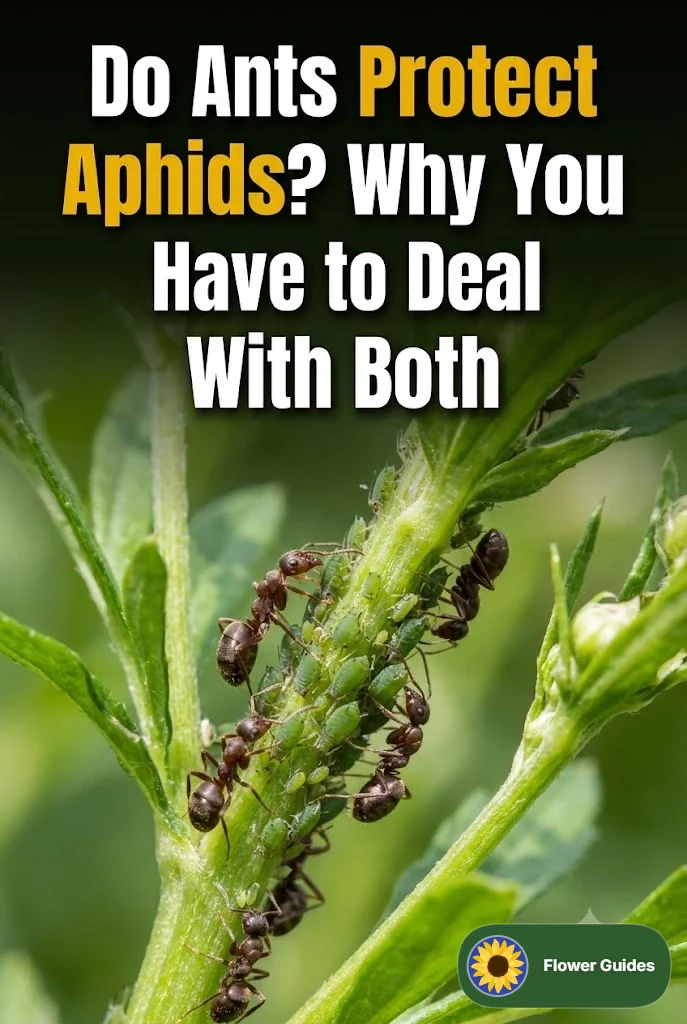
Have you ever noticed ants marching up and down your garden plants, seemingly tending to tiny green bugs? If so, you might have stumbled upon the fascinating relationship between ants and aphids. This intriguing partnership can be puzzling for gardeners. While ants are often seen as pests, their connection to aphids can lead to significant issues in your garden. Understanding why ants protect aphids and how to effectively manage both is crucial for maintaining a healthy garden.
Quick Answer
Yes, ants do protect aphids. They farm them for honeydew, a sugary secretion that aphids produce. This relationship can lead to aphid infestations, which may harm your plants. Managing both ants and aphids is essential to safeguard your garden.
Understanding the Ant-Aphid Relationship
The connection between ants and aphids is a classic example of mutualism, where both species benefit from each other’s presence. Here’s how this relationship works:
How Ants Benefit from Aphids
- Honeydew Production: Aphids excrete a sticky substance called honeydew, which is rich in sugars. Ants consume this sweet treat, making aphids a valuable food source.
- Protection: In return for the honeydew, ants protect aphids from predators such as ladybugs and lacewings. Ants will aggressively defend their aphid colonies, ensuring their food supply remains intact.
Aphids' Role in the Relationship
- Food Source: Aphids benefit from the protection provided by ants, allowing them to thrive and reproduce without the threat of predators.
- Colonization: With ants guarding them, aphids can quickly colonize plants, leading to potential infestations that can damage your garden.
Why You Should Be Concerned
While the relationship between ants and aphids may seem harmless, it can lead to significant problems for your garden:
Aphid Infestations
Aphids reproduce rapidly, and with the protection of ants, their populations can explode. This can result in:
- Plant Damage: Aphids feed on plant sap, leading to stunted growth, yellowing leaves, and even plant death.
- Spread of Disease: Aphids can transmit plant viruses, further threatening the health of your garden.
Ant Populations
High ant populations can be problematic as well:
- Disruption of Ecosystem: Ants can disrupt the natural balance in your garden, affecting other beneficial insects and pollinators.
- Soil Health: Some ant species can disturb the soil, impacting plant roots and overall soil health.
How to Manage Ants and Aphids
Dealing with both ants and aphids requires a strategic approach. Here are some effective methods to consider:
Physical Barriers
- Tape or Sticky Barriers: Use sticky traps around the base of plants to prevent ants from reaching aphids. This can help break the ant-aphid cycle.
- Row Covers: Consider using row covers to protect vulnerable plants from aphids while keeping ants at bay.
Natural Predators
Encouraging natural predators can help control aphid populations:
- Ladybugs: These beneficial insects feed on aphids and can significantly reduce their numbers.
- Lacewings: Lacewing larvae are voracious aphid hunters, making them great allies in your garden.
Insecticidal Soaps and Neem Oil
Using insecticidal soaps or neem oil can effectively manage aphids without harming beneficial insects:
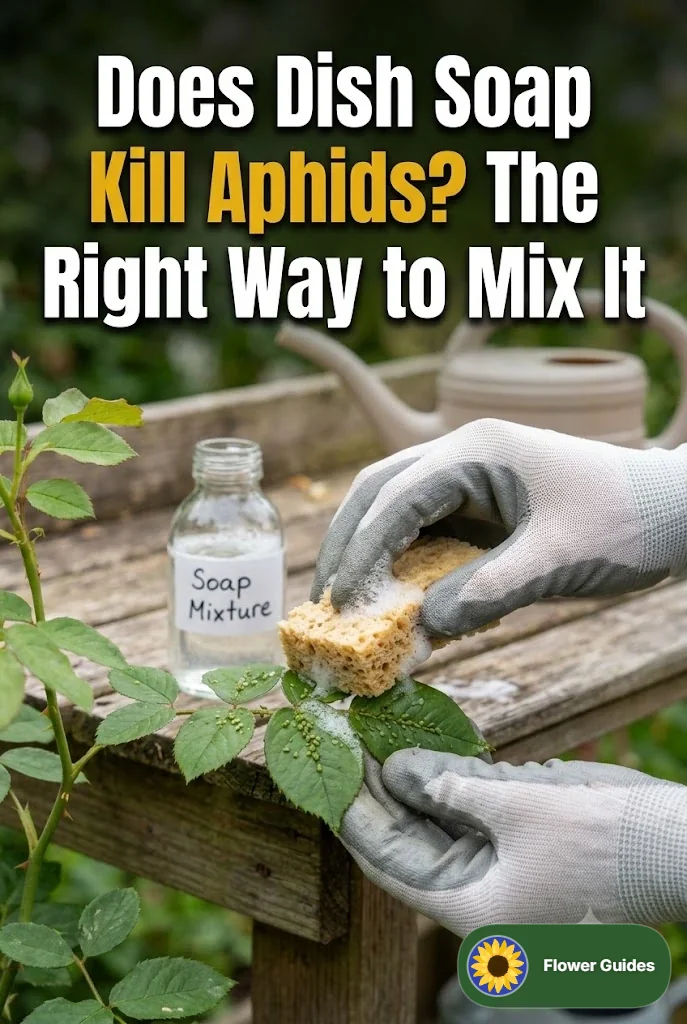
- Insecticidal Soaps: These soaps can suffocate aphids upon contact, reducing their populations.
- Neem Oil: Derived from the neem tree, this natural pesticide disrupts the life cycle of aphids, preventing reproduction.
Ant Deterrents
To manage ant populations, consider these approaches:
- Vinegar Solution: A mixture of vinegar and water can deter ants. Spray it around the entrance of their nests.
- Essential Oils: Scents like peppermint or citrus can repel ants. Mix with water and spray in areas where you see ant activity.
Expert Tips for Long-Term Management
Here are some insider tips for maintaining control over both ants and aphids:
- Regular Monitoring: Keep an eye on your plants for early signs of aphid infestations. Catching them early can prevent larger issues.
- Diverse Planting: Plant a variety of species to attract beneficial insects and create a balanced ecosystem.
- Healthy Soil Practices: Focus on enriching your soil with organic matter to promote healthy plant growth, making them less susceptible to pests.
Common Questions
Do all ants protect aphids?
No, not all ant species engage in this behavior, but many do, especially those that farm aphids for honeydew.
Can I eliminate aphids without harming ants?
Yes, using insecticidal soaps or neem oil can target aphids specifically while minimizing harm to ants and other beneficial insects.
What attracts ants to my garden?
Ants are attracted to sweet substances, such as honeydew from aphids, as well as other sugary foods and organic matter in the soil.
Conclusion
Understanding the complex relationship between ants and aphids is vital for any gardener. By implementing effective management strategies, you can protect your plants while maintaining a healthy garden ecosystem. Remember, a proactive approach will help you keep both ants and aphids in check, ensuring your garden thrives.