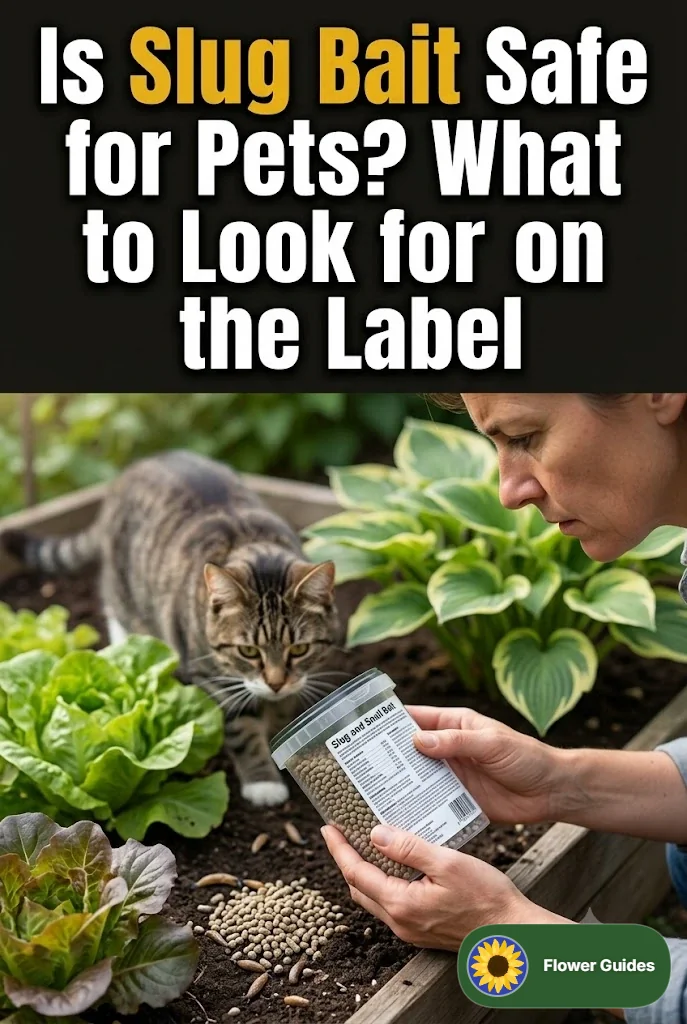
Is Slug Bait Safe for Pets? What to Look for on the Label
If you’re a pet owner and a gardener, you might find yourself at a crossroads when trying to manage pesky slugs in your garden. While slug bait can effectively control these garden nuisances, concerns about pet safety are valid and must be addressed. Understanding what’s in your slug bait and how it can affect your furry friends is crucial for ensuring the safety of your pets while keeping your garden healthy and thriving.
Quick Answer
Slug bait can pose risks to pets, depending on the active ingredients. Always check the label for pet safety warnings and ingredients. Opt for pet-safe alternatives, like iron phosphate-based baits, which are generally less toxic to animals.
Understanding Slug Bait Ingredients
To make informed decisions about slug bait, it’s essential to familiarize yourself with common ingredients found in these products. Different active ingredients have varying effects on pets, so let’s break them down.
Common Active Ingredients
- Metaldehyde: A widely used slug bait ingredient that is highly toxic to pets. Even small amounts can cause severe reactions, including tremors, seizures, and gastrointestinal distress.
- Iron Phosphate: Generally considered safe for pets, this ingredient disrupts the digestive system of slugs without harming animals. It’s a popular choice for pet-friendly gardens.
- Bait Formulations: Some baits may contain additional ingredients like carbohydrates and fats, which can be appealing to pets and may lead to ingestion.
What to Look for on the Label
When selecting slug bait, carefully reading the label is vital. Here are key aspects to consider:
1. Safety Warnings
Look for explicit pet safety warnings on the label. Products that caution against use around pets or state that they are harmful should be avoided. Some labels may indicate “pet-safe” or “non-toxic,” which can provide peace of mind.
2. Active Ingredients
Check the list of active ingredients thoroughly. As mentioned, avoid slug baits containing metaldehyde, and look for iron phosphate as a safer alternative. Understanding these ingredients can help you make informed choices.
3. Application Guidelines
Read the application guidelines carefully. Some products may recommend keeping pets away during application or until the bait has dried. Following these instructions can minimize risks.
4. Toxicity Ratings
Some labels provide toxicity ratings or information on the effects of accidental ingestion. Look for this information to gauge how serious the risks are for your pets.
Pet-Safe Alternatives to Slug Bait
If you’re concerned about the risks associated with traditional slug baits, consider these pet-safe alternatives:
1. Handpicking
One of the simplest methods is to manually remove slugs from your garden. This can be done in the evening when they are most active. Wearing gloves can protect your hands and make the process more hygienic.
2. Beer Traps
Using shallow dishes filled with beer can attract and drown slugs. Place them at ground level in your garden. This method is safe for pets since the bait is natural and non-toxic.
3. Diatomaceous Earth
Sprinkling food-grade diatomaceous earth around your plants can deter slugs without harming pets. This natural substance causes slugs to dehydrate and die when they come into contact with it.
4. Copper Barriers
Copper tape or barriers can be effective at repelling slugs as they receive a small electric shock when they try to cross it. This method is safe for pets and non-toxic.
Expert Tips for Pet Owners
Here are some expert insights to keep in mind while managing slugs and ensuring your pets are safe:
- Supervise Outdoor Time: Keep a close eye on your pets while they are outside, especially if you’ve recently applied any pest control products.
- Educate Yourself: Familiarize yourself with the symptoms of slug bait poisoning in pets, which can include drooling, vomiting, and lethargy.
- Consult Your Veterinarian: If you suspect your pet has ingested slug bait, seek immediate veterinary attention. Quick action can be crucial.
- Regular Check-Ins: Regularly inspect your garden for slugs and remove them manually to reduce the need for bait.
Common Questions About Slug Bait and Pets
Is all slug bait harmful to pets?
No, not all slug baits are harmful. Look for products containing iron phosphate, which are generally safer for pets.
What should I do if my pet eats slug bait?
If your pet consumes slug bait, contact your veterinarian immediately. They can provide guidance and may recommend treatment based on the type of bait ingested.
How can I prevent slugs without using bait?
Consider using natural deterrents like diatomaceous earth, copper barriers, or physical removal to manage slugs effectively.
Are there natural repellents for slugs?
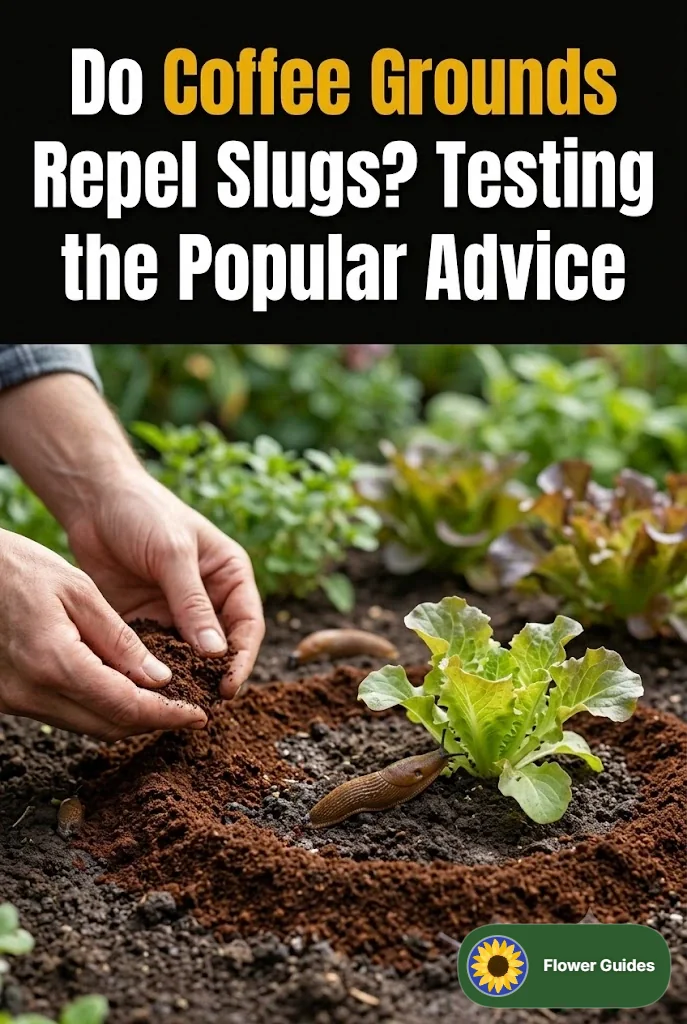
Yes, you can use coffee grounds, crushed eggshells, or salt around your plants to deter slugs naturally.
Conclusion
Being a responsible gardener means ensuring the safety of your pets while maintaining a healthy garden. By understanding the ingredients in slug bait and opting for pet-safe alternatives, you can effectively manage slugs without compromising your furry friends’ well-being. Stay informed, choose wisely, and enjoy a flourishing garden that’s safe for all its inhabitants.