Why Is My Parsley Turning Yellow?
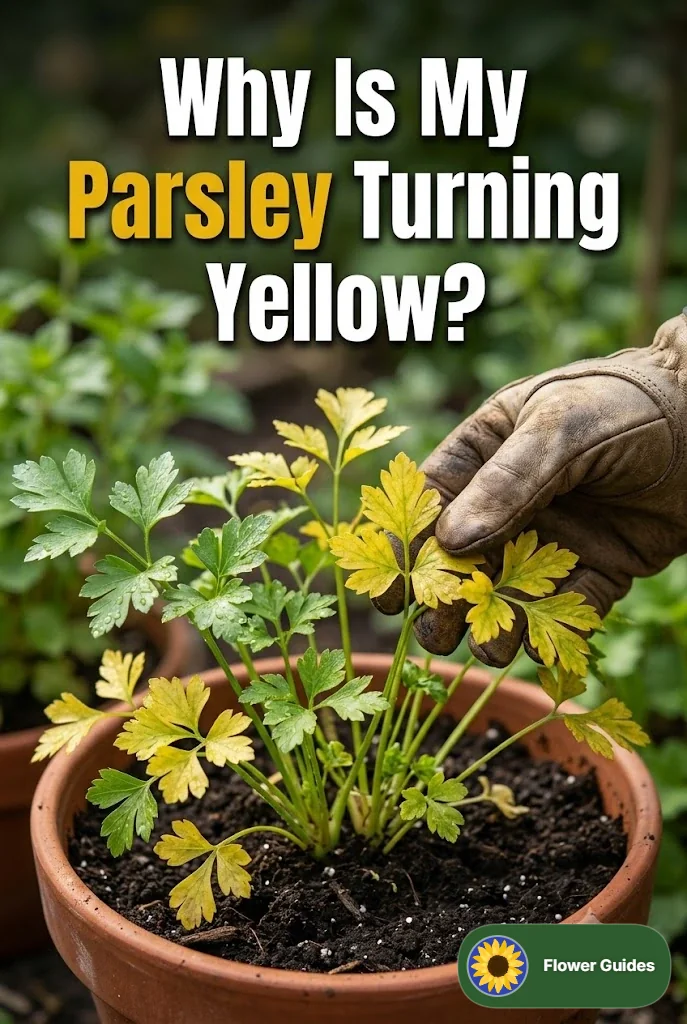
Seeing your parsley plants turn yellow can be concerning, especially when you’ve nurtured them with care. Yellowing leaves can signal various issues, from watering problems to nutrient deficiencies. Understanding the causes behind this common problem not only helps you save your parsley but also enhances your gardening skills. Let’s dig into the reasons why your parsley might be turning yellow and how to bring it back to life!
Quick Answer
If your parsley is turning yellow, it may be due to overwatering, underwatering, nutrient deficiencies, or pest infestations. Identifying the specific cause is crucial for restoring your parsley’s health. Regular monitoring and proper care can help prevent yellowing leaves.
Common Reasons for Yellowing Parsley
1. Overwatering
One of the most common reasons for yellowing parsley leaves is overwatering. Parsley prefers well-drained soil and can suffer if it’s sitting in waterlogged conditions.
- Symptoms: Leaves may appear droopy and yellow, and the soil will feel wet.
- Solution: Allow the soil to dry out between waterings. Ensure pots have drainage holes, and consider using a well-draining potting mix.
2. Underwatering
Conversely, underwatering can also lead to yellowing. Parsley needs consistent moisture to thrive.
- Symptoms: Leaves may curl and turn yellow, and the soil will be dry to the touch.
- Solution: Water your parsley regularly, ensuring it gets about 1 inch of water per week, especially during hot weather.
3. Nutrient Deficiencies
Nutrient deficiencies, particularly nitrogen, can cause parsley leaves to yellow. This is often due to poor soil quality or lack of fertilization.
- Symptoms: Older leaves turn yellow first, while newer leaves remain green.
- Solution: Use a balanced fertilizer or one high in nitrogen to replenish nutrients. Organic options include compost or fish emulsion.
4. Pests
Insect infestations can sap the vitality from your parsley, leading to yellowing leaves. Common pests include aphids and spider mites.
- Symptoms: Look for tiny insects on the leaves or webbing between stems.
- Solution: Use insecticidal soap or neem oil to treat infestations. Regularly inspect your plants to catch pests early.
5. Fungal Diseases
Fungal diseases, such as root rot or downy mildew, can also turn parsley leaves yellow. These issues often arise from excessive moisture or poor air circulation.
- Symptoms: Yellowing accompanied by wilting or spots on the leaves.
- Solution: Improve air circulation around your plants and avoid overhead watering. If the problem persists, consider removing affected plants to prevent spread.
Step-by-Step Care for Healthy Parsley
To keep your parsley thriving and prevent yellowing, follow these essential care steps:
- Choose the Right Location: Parsley loves full sun to partial shade. Select a spot that receives at least 6 hours of sunlight daily.
- Water Wisely: Check the soil moisture before watering. Water deeply but infrequently to encourage strong root growth.
- Fertilize Regularly: Use a balanced fertilizer every 4-6 weeks during the growing season.
- Monitor for Pests: Inspect your plants weekly for signs of pests or disease.
- Prune Wisely: Regularly trim your parsley to encourage bushier growth and remove any yellowing leaves.
Pinterest-Style Ideas for Healthy Parsley Growth
Here are some catchy ideas to inspire your parsley gardening journey:
- Herb Garden Companion Planting: Pair parsley with tomatoes or carrots to enhance growth and flavor.
- DIY Herbal Infusions: Use your fresh parsley for herb-infused oils or dressings.
- Seasonal Parsley Recipes: Explore creative ways to include parsley in seasonal dishes, from salads to soups.
- Parsley in Containers: Grow parsley in pots for easy access and a decorative touch to your patio.
Expert Tips for Thriving Parsley
Here are some insider tips to ensure your parsley flourishes:
- Consider using a soil test kit to determine your soil’s nutrient levels before fertilizing.
- Rotate your parsley crops each year to reduce the risk of soilborne diseases.
- Use mulch to help retain soil moisture and suppress weeds around your parsley plants.
Common Questions (FAQ)
Why are my parsley leaves turning yellow but still firm?
This may indicate a nutrient deficiency or possible overwatering. Check the soil condition and consider fertilizing.
Can I still eat parsley with yellow leaves?
Yellowing leaves might not taste as good, but if there are no signs of disease or pests, they are generally safe to eat.
How often should I water parsley in summer?
During hot weather, water parsley at least once a week, ensuring the soil remains consistently moist but not soggy.
What pests should I look for on my parsley?
Aphids, spider mites, and whiteflies are common pests. Regular inspection can help catch them early.
Can yellowing leaves recover?
If the underlying issue is addressed promptly, yellowing leaves can recover, but it may take time. Monitor your parsley closely.
Conclusion
Understanding why your parsley is turning yellow is crucial to restoring its health. By identifying the specific cause and implementing the right care practices, you can keep your parsley vibrant and thriving. Remember, gardening is a journey filled with learning. Embrace the process, and soon you’ll be enjoying fresh parsley right from your garden!