How to Stop Cilantro From Bolting in Hot Weather
Cilantro, also known as coriander, is a beloved herb that adds a fresh, zesty flavor to many dishes. However, growing cilantro can be quite a challenge, especially during hot weather when it tends to bolt. Bolting occurs when the plant prematurely flowers and sets seeds, causing the leaves to become bitter and unpalatable. If you’ve ever wondered how to keep your cilantro thriving despite the heat, you’re not alone. Let’s dive into effective strategies to stop cilantro from bolting and ensure a bountiful harvest.
Quick Answer
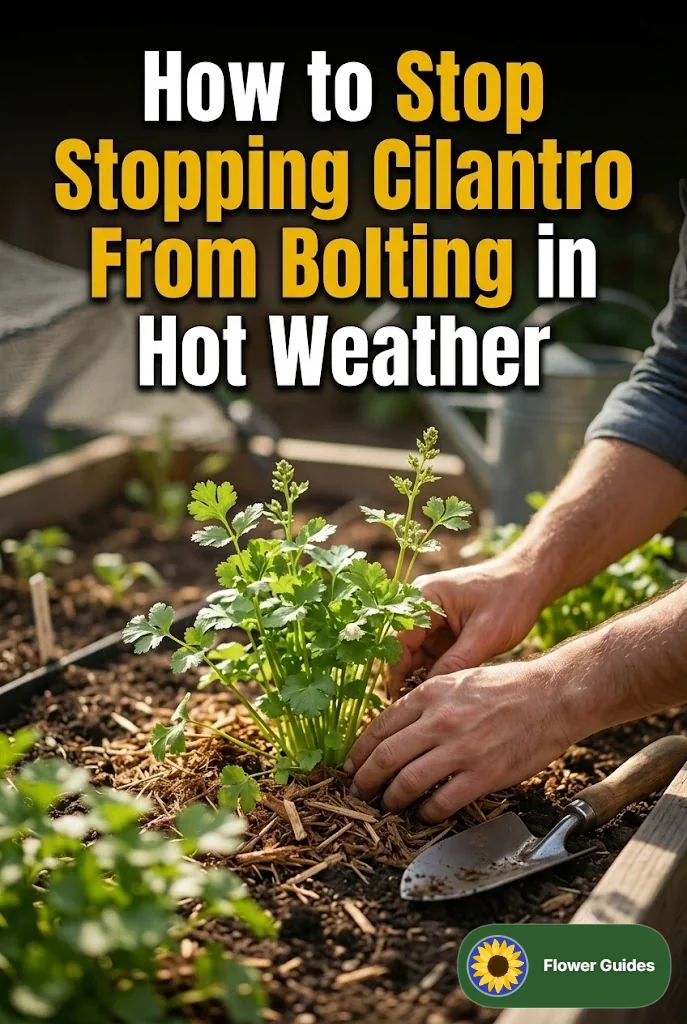
To prevent cilantro from bolting in hot weather, provide partial shade, keep the soil consistently moist, and harvest regularly. Plant cilantro in cooler months or use heat-resistant varieties to extend its growing season.
Understanding Cilantro and Bolting
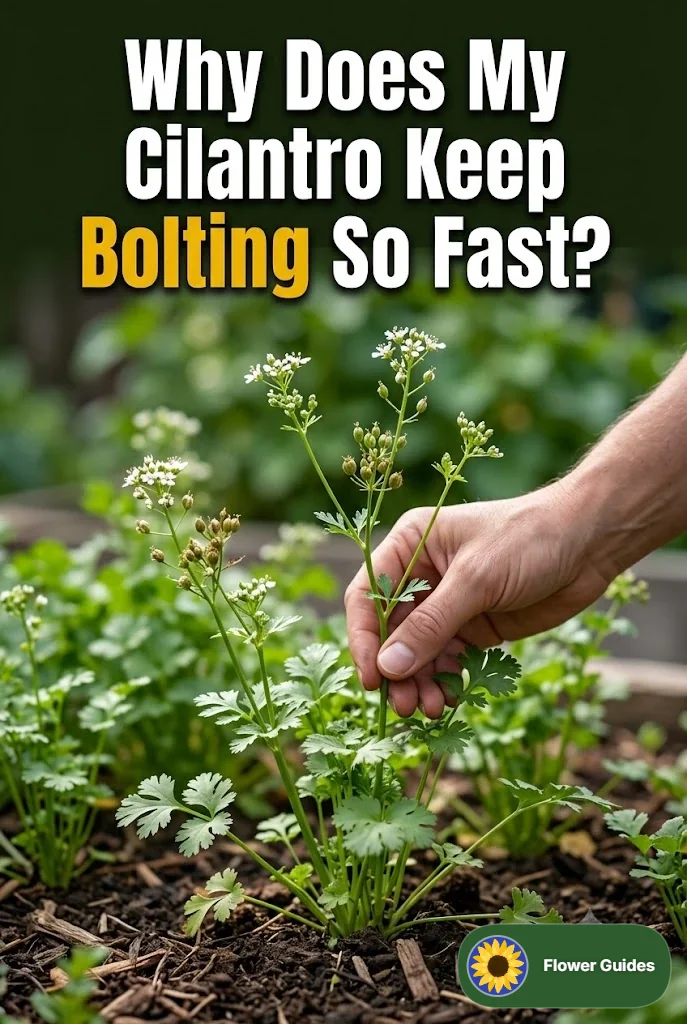
Before we tackle solutions, it’s essential to understand why cilantro bolts. Bolting is a natural response to stress, particularly high temperatures. As temperatures soar, cilantro shifts its energy from leaf production to flowering. This process not only diminishes the flavor of the leaves but also makes the plant less productive. By recognizing these triggers, you can implement strategies to keep your cilantro flourishing.
Ideal Growing Conditions
Cilantro prefers cooler conditions, thriving best in temperatures between 50°F and 85°F (10°C to 29°C). Understanding these conditions is crucial for successful cultivation. Here are some tips to create an ideal environment:
- Soil Quality: Use well-draining soil rich in organic matter to support healthy growth.
- Watering: Keep the soil consistently moist but not waterlogged, as this helps regulate plant temperature.
- Sunlight: Cilantro enjoys full sun but can benefit from partial shade during the hottest parts of the day.
Strategies to Prevent Bolting
Implementing a combination of techniques can significantly reduce the chances of your cilantro bolting. Here’s how to take action:
1. Planting Time
The timing of your cilantro planting is crucial. Consider these approaches:
- Early Spring or Fall: Plant cilantro in early spring or late summer to avoid the peak heat of summer.
- Succession Planting: Sow small batches every few weeks to enjoy a continuous harvest throughout the growing season.
2. Provide Shade
Creating shade for your cilantro can help regulate its temperature. Here are some effective methods:
- Shade Cloth: Use shade cloth to cover your plants during the hottest part of the day. Aim for 30-50% shade to reduce sun exposure.
- Companion Planting: Grow taller plants, like tomatoes or peppers, nearby to provide natural shade.
3. Watering Techniques
Maintaining consistent moisture is essential for cilantro during hot weather. Consider the following watering techniques:
- Mulching: Apply a layer of organic mulch around your plants to retain soil moisture and keep roots cool.
- Drip Irrigation: Use a drip irrigation system to provide a steady supply of water without wetting the foliage, which can lead to disease.
4. Regular Harvesting
Harvesting cilantro regularly encourages new growth and can delay bolting. Here’s how to do it:
- Trim Leaves: Cut leaves just above the base of the plant, taking care not to remove more than one-third of the plant at a time.
- Use Young Leaves: Harvest younger leaves, as they are more flavorful and encourage the plant to continue producing leaves.
Choosing the Right Varieties
Some cilantro varieties are more resistant to bolting than others. Consider planting:
- Slow Bolt Varieties: Look for cultivars labeled as “slow bolting,” which are bred to withstand heat better.
- Cilantro with Larger Leaves: Varieties such as “Santo” or “Calypso” are known for producing larger leaves and bolting less quickly.
Expert Tips for Thriving Cilantro
Here are some insider tips to help your cilantro thrive even in challenging conditions:
- Fertilization: Use a balanced fertilizer to promote healthy growth but avoid over-fertilizing, which can lead to rapid growth and bolting.
- Monitor Temperature: Use a thermometer to keep track of soil temperatures, aiming to keep them below 85°F (29°C).
- Rotate Crops: Practice crop rotation each year to reduce the risk of pests and diseases that can stress your cilantro.
Common Questions
Why does cilantro bolt so quickly?
Cilantro bolts quickly due to stress from high temperatures or changes in day length, prompting the plant to focus on reproduction rather than leaf production.
Can I eat cilantro that has bolted?
While you can eat bolted cilantro, the leaves often become bitter and less flavorful, making them less desirable for culinary use.
How long does it take for cilantro to bolt?
Cilantro typically bolts within 3-4 weeks after temperatures rise significantly, depending on the growing conditions and variety.
Conclusion
By understanding the factors that lead to bolting and implementing effective strategies, you can enjoy a lush and flavorful cilantro harvest even during hot weather. Remember, timing is everything, along with providing the right care. With a little attention and love, your cilantro plants will reward you with vibrant leaves and delicious flavors all season long. Happy gardening!