
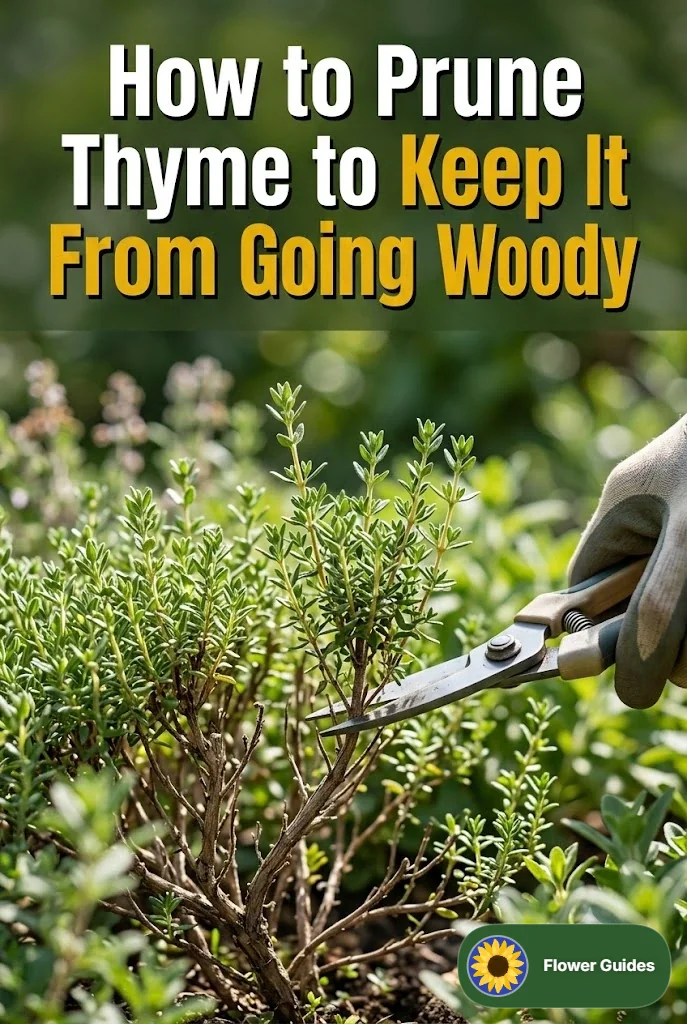
How to Prune Thyme to Keep It From Going Woody
Thyme is a fragrant herb that adds a burst of flavor to various dishes, but if left unpruned, it can become woody and less productive. Many gardeners struggle with this issue, wondering how to maintain a lush and vibrant thyme plant. In this guide, we’ll delve into effective pruning techniques to keep your thyme healthy and thriving, ensuring you always have a fresh supply for your culinary creations.
Understanding Thyme's Growth Habits
Before diving into pruning, it’s essential to understand how thyme grows. This perennial herb develops a woody structure as it matures, which can lead to a decline in leaf production. Regular pruning not only helps manage its size but also encourages new growth and improves the plant’s overall health.
When to Prune Thyme
Timing is everything when it comes to pruning thyme. Here are the best times to consider:
- Spring: Early spring is the ideal time to prune thyme, just before the growing season begins. This encourages new growth and ensures the plant is ready for the warmer months.
- Mid-summer: A light trim in mid-summer can help maintain shape and promote bushiness, especially if the plant starts to look leggy.
- Fall: If your thyme is particularly woody, a more significant prune in the fall can help rejuvenate the plant before winter dormancy.
Step-by-Step Guide to Pruning Thyme
Pruning thyme doesn’t have to be daunting. Follow these simple steps for effective pruning:
1. Gather Your Tools
Before you start, make sure you have the right tools on hand:
- Sharp pruning shears: A good pair of shears will make clean cuts and reduce the risk of damaging the plant.
- Gloves: Protect your hands from potential scratches and the aromatic oils of the thyme.
- Container: Have a container ready for the cuttings, which can be composted or used in cooking.
2. Assess Your Plant
Take a good look at your thyme plant. Identify any woody stems, dead leaves, or areas that appear sparse. This assessment will help you determine where to focus your pruning efforts.
3. Start with the Woody Stems
Begin by cutting back the woody stems. Here’s how:
- Locate the woody stems, which are typically thicker and less flexible than the green stems.
- Cut back these stems to just above a leaf node or to where the stem is still green. This encourages new growth from the base.
- Aim to remove no more than one-third of the plant at a time to avoid stressing the thyme.
4. Trim the Green Growth
Next, focus on the green growth:
- Remove any dead or yellowing leaves, as they can attract pests and diseases.
- Lightly trim the green stems to encourage bushiness. Aim to cut just above a leaf node to promote new growth.
- Shape the plant as desired, but avoid cutting too much to maintain a healthy structure.
5. Clean Up
After pruning, tidy up your workspace. Dispose of the cuttings properly to prevent any potential disease spread and to keep your garden looking neat.
Pinterest-Style Ideas for Thyme Care
Here are some inspiring ideas to keep your thyme vibrant and healthy:
- Thyme in Containers: Grow thyme in decorative pots for easy access and beautiful displays on your patio or kitchen windowsill.
- Herb Spiral: Create a herb spiral incorporating thyme for a stunning visual and functional garden feature.
- Make Thyme Tea: Use fresh thyme leaves to brew a soothing herbal tea, perfect for relaxation.
- Thyme and Honey Elixir: Combine thyme with honey and lemon for a deliciously healthy drink.
- Preserving Thyme: Dry or freeze thyme to enjoy its flavor year-round in your cooking.
Expert Tips for Thriving Thyme
For those looking to take their thyme gardening to the next level, consider these insider tips:
- Mulch Wisely: Use a light mulch to retain moisture while preventing the soil from becoming too compacted, which can lead to root rot.
- Rotate Your Herbs: If growing thyme among other herbs, consider rotating their positions each season to prevent soil depletion and pest issues.
- Watch for Pests: Keep an eye out for aphids and spider mites. If found, treat promptly with insecticidal soap or neem oil.
Common Questions About Pruning Thyme
Can I prune thyme in the fall?
Yes, pruning thyme in the fall is beneficial, especially if the plant has become woody. This helps rejuvenate it for the next growing season.
How often should I prune thyme?
Prune thyme at least once a year, ideally in spring or mid-summer, to maintain its health and prevent woodiness.
What should I do with the cuttings?
You can compost the cuttings or use healthy stems in cooking. Fresh thyme adds flavor to many dishes!
Will pruning thyme affect its flavor?
Not at all! In fact, regular pruning encourages new, tender growth, which is often more flavorful than older, woody stems.
How can I prevent my thyme from becoming woody?
Regularly prune your thyme to promote bushiness and maintain its vitality. Ensure it receives adequate sunlight and well-draining soil.
Conclusion
Pruning thyme is a straightforward yet vital process that helps keep this aromatic herb thriving and productive. With the right techniques and timing, you can enjoy fresh thyme throughout the growing season. Embrace the art of pruning, and soon you’ll have lush, flavorful thyme ready to enhance your culinary creations!
