
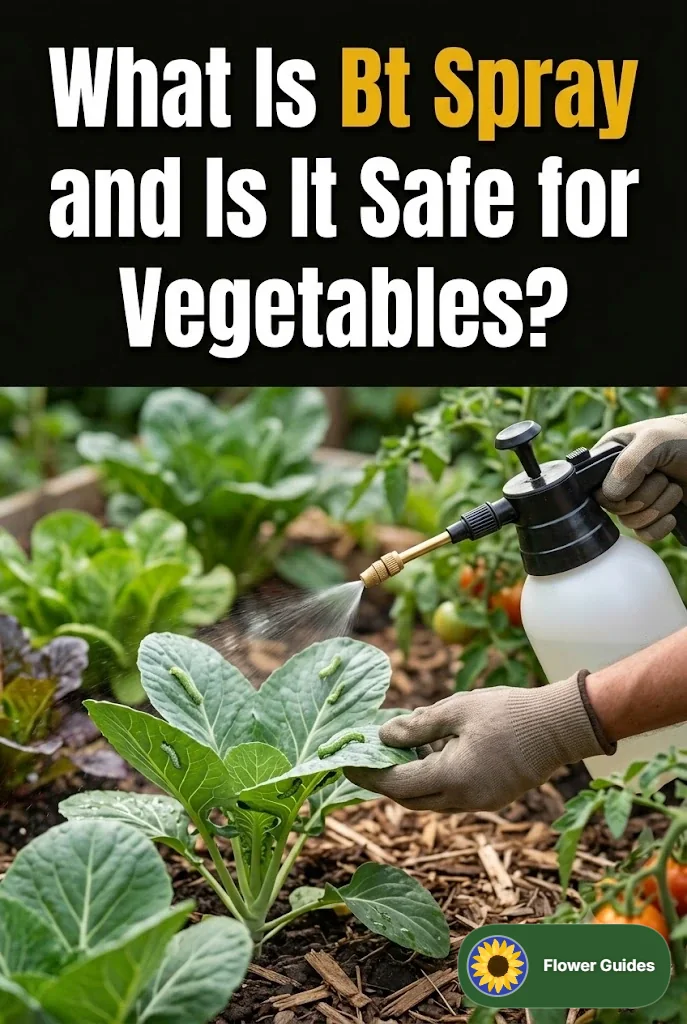
What Is Bt Spray and Is It Safe for Vegetables?
Gardening enthusiasts often face the challenge of pest control while trying to maintain the health of their plants. One popular solution that has gained traction among organic gardeners is Bt spray. But what exactly is Bt spray, and is it safe for your vegetable garden? In this article, we’ll dive into the details of Bt spray, its effectiveness, safety, and how to use it effectively in your vegetable garden.
What Is Bt Spray?
Bacillus thuringiensis, commonly referred to as Bt, is a naturally occurring soil bacterium that produces toxins harmful to certain insects. When used as a spray, Bt targets specific pests while being safe for plants and non-target organisms. This makes it a popular choice for organic gardeners looking for an effective pest control solution without harmful chemicals.
How Does Bt Work?
Bt contains proteins that are toxic to the larvae of certain insects, including caterpillars, beetles, and some flies. When these insects ingest the toxin, it disrupts their digestive system, ultimately leading to their death. This mode of action makes Bt an effective option for controlling pests like:
- Tomato hornworms
- Cabbage worms
- Gypsy moths
- Leafcutter bees
Interestingly, Bt is specific to certain pests and does not harm beneficial insects like bees and ladybugs, making it a safer option for integrated pest management.
Is Bt Spray Safe for Vegetables?
When used correctly, Bt spray is considered safe for vegetables and is approved for organic gardening. However, its safety can depend on several factors including the specific formulation used, the timing of application, and the types of vegetables being treated. Here’s what to keep in mind:
1. Organic Certification
Bt is recognized by organizations like the USDA as an organic pesticide. When purchasing Bt spray, look for products labeled as organic or OMRI (Organic Materials Review Institute) approved. This ensures that you are using a product that meets organic standards.
2. Targeted Application
Since Bt is effective against specific pests, applying it only when those pests are present can minimize any unintended effects on non-target species. Timing your application to the life cycle of the pests will also enhance its effectiveness.
3. Harvesting and Safety
One of the significant benefits of Bt spray is that it has a short residual effect. This means that it breaks down quickly in the environment, reducing the chances of chemical residues on your vegetables. It’s generally recommended to wait at least 24 hours after application before harvesting, ensuring that any residual toxins have diminished.
How to Use Bt Spray Effectively
For optimal results, follow these steps when applying Bt spray in your vegetable garden:
1. Choose the Right Formulation
Bacillus thuringiensis comes in various formulations, including liquid sprays and dusts. Choose one based on your gardening needs and the specific pests you are targeting. Liquid sprays are generally more effective for larger areas, while dusts can be useful for localized applications.
2. Application Timing
The best time to apply Bt spray is in the early morning or late afternoon when temperatures are cooler. This helps prevent the product from breaking down too quickly in the sun. Additionally, make sure to apply it when the target pests are actively feeding.
3. Proper Coverage
Ensure thorough coverage of the affected plants. Spraying both the tops and undersides of leaves will help target pests effectively, as many insects tend to hide on the undersides. Avoid over-saturating the plants to prevent runoff.
4. Monitor and Reapply
After the initial application, monitor your plants for any signs of pests. If you notice continued pest activity, a second application may be necessary, typically about 7-10 days later. Always follow the instructions on the product label for specific reapplication intervals.
Common Mistakes to Avoid
While using Bt spray is relatively straightforward, there are common mistakes that can hinder its effectiveness:
- Ignoring Timing: Applying Bt when pests are not present will waste the product and may not help with pest control.
- Inadequate Coverage: Failing to cover all plant surfaces can leave areas unprotected.
- Over-Reliance: Relying solely on Bt without integrating other pest management strategies can lead to resistance in pests.
Expert Tips for Using Bt Spray
To make the most of your Bt spray application, consider these insider tips:
- Rotate Pest Control Methods: Combine Bt with other organic pest control methods, such as neem oil or insecticidal soap, to prevent pest resistance.
- Read the Label: Always read the product label for specific instructions and safety precautions.
- Keep It Fresh: Bt loses potency over time, so use fresh products and store them according to the manufacturer’s recommendations.
Common Questions (FAQ)
1. Can Bt spray harm beneficial insects?
No, Bt is targeted and primarily affects specific pest larvae. It is safe for beneficial insects when applied correctly.
2. How often should I apply Bt spray?
Typically, Bt should be reapplied every 7-10 days, especially after rainfall, as it can wash away.
3. Is there a waiting period before I can eat my vegetables after applying Bt?
It is generally recommended to wait at least 24 hours after application before harvesting your vegetables.
4. Can I use Bt spray on all types of vegetables?
Yes, Bt is safe for a variety of vegetables, but always check the product label for specific recommendations.
Conclusion
Bt spray is a powerful tool in the organic gardener’s arsenal, offering a safe and effective way to manage pest problems in vegetable gardens. By understanding how to use it properly and integrating it into a broader pest management strategy, you can protect your crops while maintaining a healthy garden ecosystem. With a little attention and care, your vegetable garden can thrive, free from the ravages of harmful pests.
