Do Coffee Grounds Repel Slugs? Testing the Popular Advice
Gardening enthusiasts often seek natural ways to protect their plants from pests, and slugs are notorious for munching on tender leaves. One popular remedy is using coffee grounds as a repellent. But does this method really work? In this article, we’ll explore the science behind coffee grounds and their effectiveness in slug control. We’ll test this common advice and provide practical tips for dealing with slugs in your garden.
Quick Answer
While coffee grounds can deter slugs to some extent, their effectiveness varies. They may create a barrier due to their texture and caffeine content, but results are not guaranteed. Other methods may offer better protection for your plants.
Understanding Slugs and Their Behavior
Before diving into the coffee ground debate, it’s essential to understand slugs. These soft-bodied mollusks thrive in damp environments and are most active during wet conditions or at night. They feed on a variety of plants, often leaving behind unsightly holes or trails of slime.
Why Consider Natural Remedies?
Many gardeners prefer natural solutions over chemical pesticides for several reasons:
- Healthier for the environment
- Safer for pets and children
- Encourages biodiversity in the garden
Testing the Efficacy of Coffee Grounds
To determine if coffee grounds really repel slugs, we conducted a simple experiment in a controlled garden setting. Here’s how we went about it:
Materials Needed
- Used coffee grounds
- Two identical garden plots
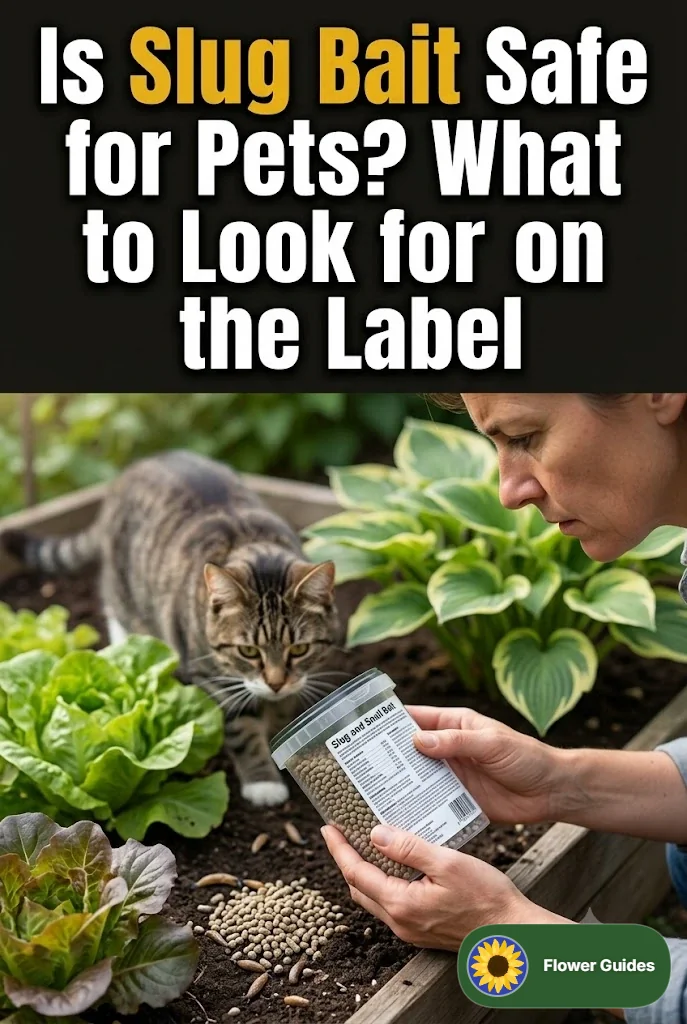
- Slug bait (for comparison)
- Plant seedlings
Experiment Steps
- Prepare two identical garden plots, ensuring they have similar soil types and exposure to sunlight.
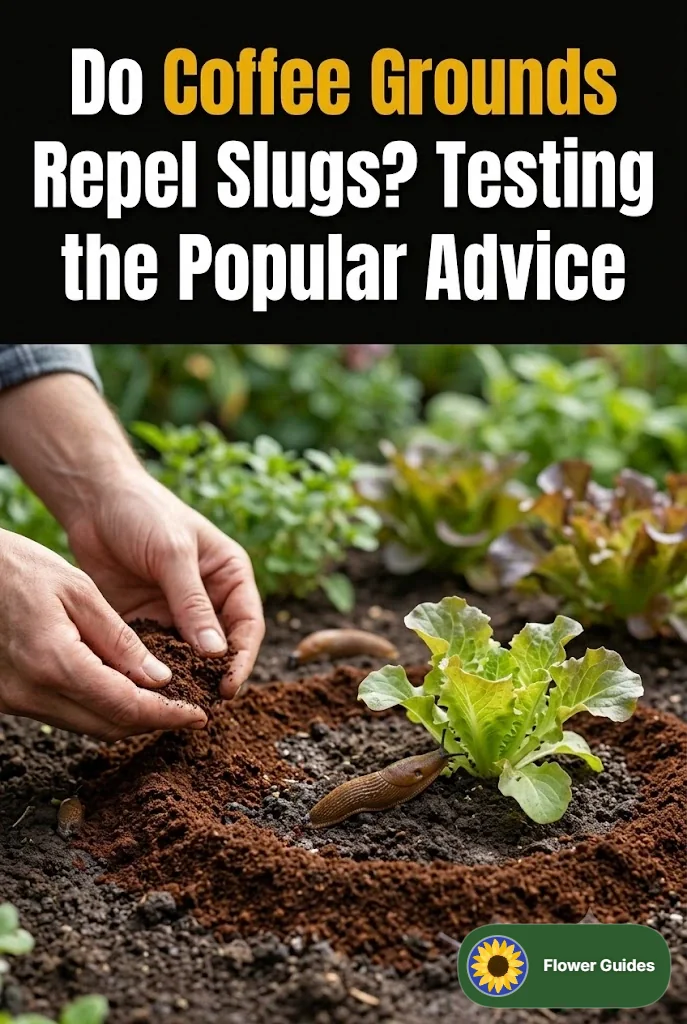
- In one plot, spread a layer of used coffee grounds around the seedlings.
- In the second plot, leave the soil bare and apply slug bait as a control measure.
- Monitor both plots for slug activity over a two-week period.
Results of the Experiment
After two weeks, we observed the following:
- The plot with coffee grounds had fewer visible slugs compared to the control plot.
- However, some slugs still managed to cross the coffee ground barrier.
- Both plots had some damage to the seedlings, but the control plot showed more significant signs of slug feeding.
What Do These Results Mean?
While coffee grounds can act as a deterrent, they are not a foolproof solution. Slugs are resourceful and may find ways to navigate around or through the grounds. They may also become less effective after rain, as the coffee grounds can wash away or become compacted.
Practical Tips for Using Coffee Grounds
If you want to try coffee grounds in your garden, here are some practical tips to enhance their effectiveness:
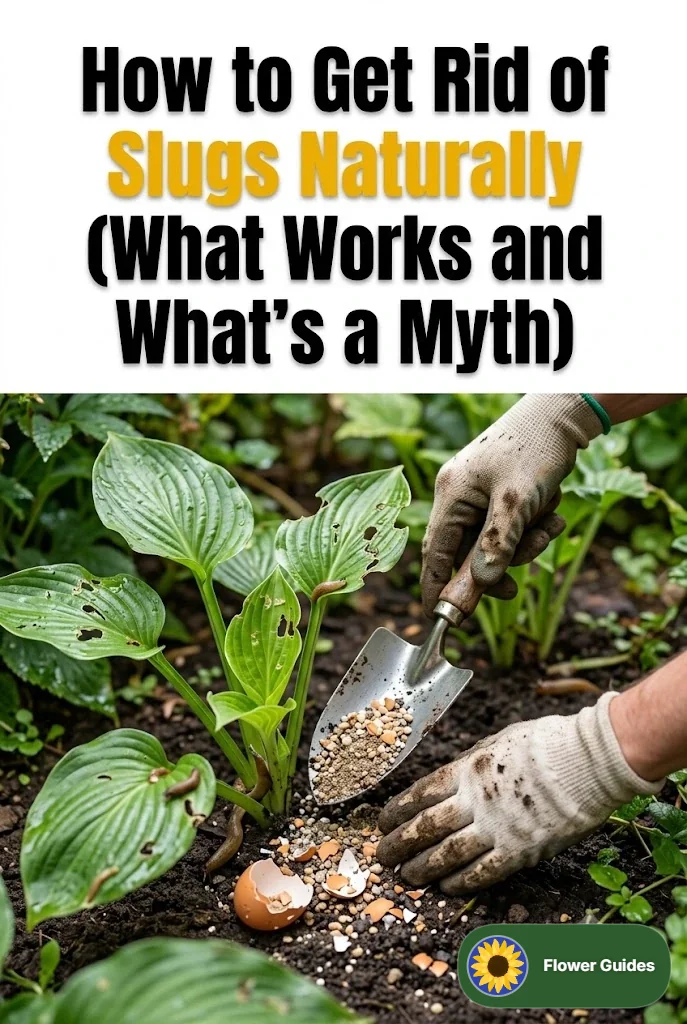
- Combine with Other Methods: Use coffee grounds alongside other slug deterrents, such as crushed eggshells or diatomaceous earth, for a multi-faceted approach.
- Dry It Out: Let coffee grounds dry out before applying them. Wet grounds can become mushy and lose their texture, making them less effective.
- Regular Reapplication: Reapply coffee grounds after heavy rain to maintain a barrier.
Other Natural Remedies for Slug Control
While coffee grounds may help reduce slug activity, there are several other methods you can employ to protect your garden:
1. Beer Traps
Dig small holes in the ground and fill them with beer. Slugs are attracted to the yeast in beer and will crawl in and drown.
2. Copper Barriers
Copper tape or strips create a slight electric shock when slugs touch them, deterring them from crossing.
3. Handpicking
Regularly check your garden at night and handpick slugs. This method can be effective, especially in smaller gardens.
4. Plant Companions
Certain plants, such as lavender, rosemary, and sage, can deter slugs. Consider companion planting to protect more vulnerable plants.
Expert Tips for Managing Slugs
Here are some lesser-known insights for effective slug management:
- Maintain Dry Conditions: Reduce moisture in your garden by watering in the morning and allowing the soil to dry out between waterings.
- Utilize Natural Predators: Encourage birds and beneficial insects that prey on slugs by providing habitats or feeder stations.
- Mulch Wisely: Use coarse mulch materials like wood chips or gravel, which can deter slugs from reaching your plants.
Common Questions About Slugs and Coffee Grounds
Do coffee grounds attract slugs?
Coffee grounds may attract slugs due to their organic nature, but they are more likely to be repelled by the texture and caffeine content.
Can I use fresh coffee grounds?
Fresh coffee grounds might be too acidic and dense for effective slug control. Used, dried coffee grounds are preferable.
How often should I apply coffee grounds?
Reapply coffee grounds every couple of weeks or after rainfall to maintain an effective barrier.
Conclusion
Using coffee grounds as a slug repellent can be a fun and eco-friendly approach to pest control. While they may not completely eliminate the problem, they can reduce slug activity when used correctly. Combine this method with other strategies for a more comprehensive solution. Happy gardening!