What Eats Aphids in the Garden? Your Free Pest Control Crew
Aphids can be a gardener’s worst nightmare. These tiny, sap-sucking pests multiply quickly and can wreak havoc on your plants, leaving them weak and unhealthy. But before you reach for chemical pesticides, consider the power of natural predators. In your garden, a host of beneficial insects and other creatures can help keep aphid populations in check, providing a free and eco-friendly pest control solution. Let’s dive into the world of these helpful allies!
Quick Answer
The best natural predators of aphids include ladybugs, lacewings, parasitic wasps, and certain birds. Introducing these beneficial insects to your garden can significantly reduce aphid populations without harmful chemicals.
Understanding Aphids
Aphids are small, soft-bodied insects that vary in color from green to black. They thrive in warm weather and can reproduce rapidly, leading to large infestations. They feed on plant sap, which can cause stunted growth, yellowing leaves, and can even transmit plant viruses. Understanding their lifecycle and behavior is crucial in managing them effectively.
Aphid Lifecycle
- Egg Stage: Aphids reproduce sexually in the fall, laying eggs that survive winter.
- Nymph Stage: The eggs hatch in spring, producing nymphs that mature quickly.
- Adult Stage: Adult aphids can reproduce asexually, leading to rapid population growth.
Natural Predators of Aphids
Several creatures in your garden can act as a natural pest control crew, helping to keep aphid populations under control. Here are the most effective allies:
1. Ladybugs
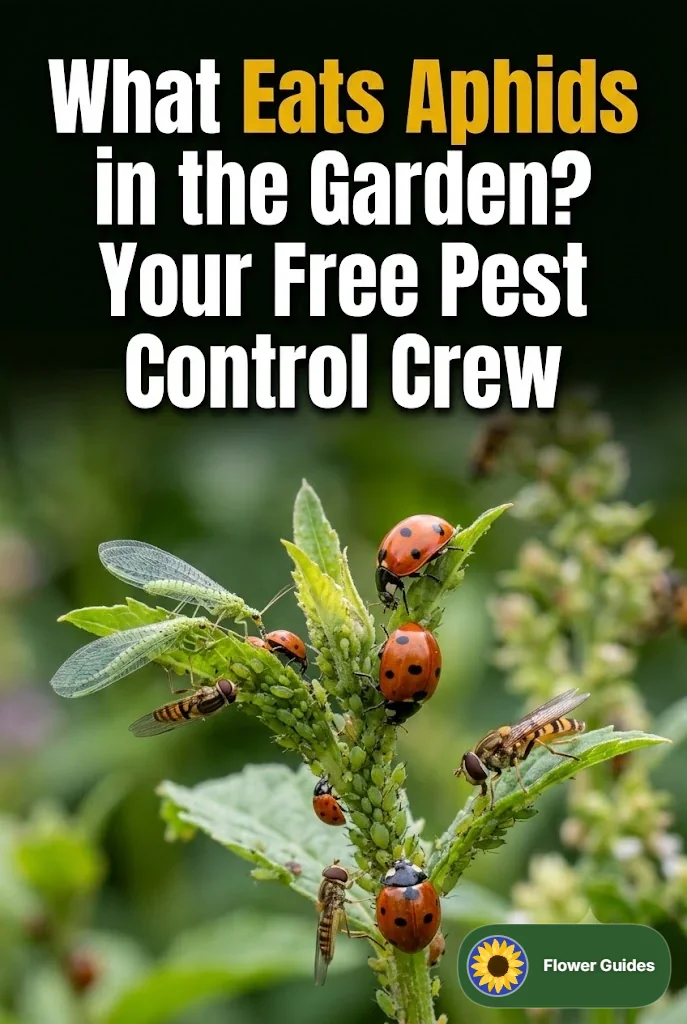
Ladybugs are perhaps the most well-known aphid predators. A single ladybug can consume up to 50 aphids a day! They are attracted to gardens with plenty of aphids and are easy to introduce by planting specific flowers such as dill, fennel, or yarrow.
2. Lacewings
Lacewing larvae, often called “aphid lions,” are voracious eaters. A single lacewing larva can consume over 200 aphids in its development stages. To attract lacewings, plant flowers like marigolds or cosmos.
3. Parasitic Wasps
Parasitic wasps, such as Aphidius colemani, lay their eggs inside aphids. The larvae then consume the aphids from the inside out. While you may not see these tiny wasps, they are highly effective at controlling aphid populations. They are often introduced through commercially available kits.
4. Birds
Many bird species, like blue jays and chickadees, enjoy a diet that includes aphids. You can attract these birds by providing birdhouses, feeders, or native plants that support their diet.
5. Other Insects
Other beneficial insects include:
- Predatory Mites: These tiny arachnids feed on aphids and can be introduced into your garden.
- Thrips: While they feed on various pests, some species will also consume aphids.
Creating a Beneficial Garden Environment
To encourage these beneficial creatures, it’s essential to create a welcoming environment in your garden. Here are some tips:
1. Plant Companion Plants
Companion planting can attract beneficial insects. For instance, planting herbs like basil or dill near susceptible plants can draw ladybugs and lacewings.
2. Avoid Pesticides
Many pesticides are indiscriminate and can kill beneficial insects along with the pests. Consider using organic pest control methods to protect your allies.
3. Provide Water Sources
Small water features or shallow dishes filled with water can offer hydration for beneficial insects. A few stones in the water can help them land without drowning.
4. Maintain Plant Diversity
Diverse plantings create a balanced ecosystem that encourages a variety of beneficial insects. Mix flowers, herbs, and vegetables to promote a healthy garden environment.
Pinterest-Style Ideas for Your Garden
- Create a Pollinator Garden: Use native flowers to attract a wide range of beneficial insects.
- Insect Hotels: Build or buy insect hotels to provide shelter for ladybugs and lacewings.
- Herb Spiral: Design an herb spiral to maximize space and attract aphid predators.
- Bird Feeders: Install bird feeders to draw in insect-eating birds.
- Plant a Butterfly Garden: Attract butterflies which can help in pollination while also inviting other beneficial insects.
Expert Tips for Managing Aphids
Here are some insider tips to enhance your pest control strategy:
- Monitor Regularly: Check your plants frequently to catch aphid infestations early.
- Use Neem Oil: If infestations are severe, neem oil is a natural pesticide that targets aphids without harming beneficial insects.
- Introduce Beneficial Insects Early: Release ladybugs and lacewings in early spring before aphid populations explode.
- Plant ‘Aphid Magnets’: Consider planting a few “trap” plants that aphids are attracted to, which can be removed if overrun.
Common Questions About Aphid Control
1. How do I know if I have an aphid problem?
Look for curled leaves, sticky residue (honeydew), or visible clusters of small insects on the undersides of leaves.
2. Can I just spray water on aphids to remove them?
Yes, a strong spray of water can dislodge many aphids from plants. However, this method may need to be repeated regularly.
3. Are aphids harmful to my garden?
Yes, they can weaken plants, distort growth, and transmit diseases. Managing them effectively is crucial for plant health.
4. How quickly can aphids reproduce?
Aphids can reproduce in as little as a week under ideal conditions, leading to rapid infestations.
5. Will beneficial insects harm my plants?
No, beneficial insects like ladybugs and lacewings feed on aphids and do not harm your plants.
Conclusion
Embracing natural predators in your garden is a smart and eco-friendly way to manage aphid populations. By creating a supportive environment for these beneficial insects, you not only protect your plants but also contribute to a balanced ecosystem. So, why not let nature do its work? Your garden will thrive, and you’ll enjoy a beautiful, healthy space with minimal intervention!