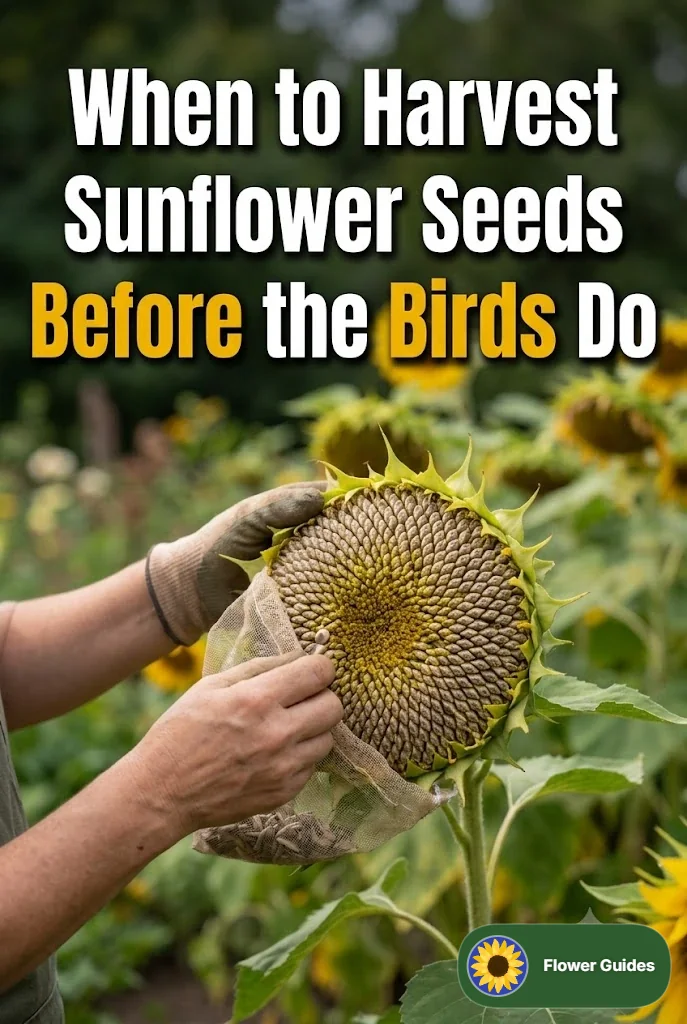
When to Harvest Sunflower Seeds Before the Birds Do
Sunflowers are not just beautiful additions to any garden; they also produce delicious seeds that can be enjoyed by both humans and wildlife. However, if you’re looking to harvest sunflower seeds for yourself, timing is everything. Waiting too long can mean losing your hard-earned bounty to hungry birds. Understanding when to harvest sunflower seeds can ensure you get the most out of your sunflower plants. Let’s dive into the essentials of sunflower seed harvesting, from recognizing the signs of readiness to tips for a successful harvest.
Understanding Sunflower Growth and Seed Maturity
Sunflowers, or Helianthus annuus, go through distinct growth stages. Knowing these stages can help you gauge when your seeds are ready for harvesting. Typically, sunflowers take about 70 to 100 days from planting to maturity, depending on the variety. Here’s what to observe:
The Flowering Stage
- Blooming: Sunflowers bloom in bright yellow petals, attracting bees and other pollinators. This is a key phase as it leads to seed formation.
- Pollen Production: Once the flower matures, it starts producing pollen, which is crucial for pollination.
The Seed Development Stage
- Seed Formation: After pollination, the petals start to wilt, and seeds begin to form inside the flower head. This stage is important as it indicates that harvesting time is approaching.
- Seed Maturity: Seeds will plump up and change color from green to a darker hue, often brown or black, depending on the variety.
Signs That Sunflower Seeds are Ready for Harvest
Timing your harvest is crucial. Here are the signs that indicate your sunflower seeds are ready:
- Back of the Flower Head: The back of the sunflower head should turn yellow or brown, indicating that seeds are mature.
- Seed Color: Mature seeds will typically be black or striped, depending on the variety. If they’re still green, wait a little longer.
- Dryness: The seeds should feel dry to the touch. If they seem moist, they need more time to mature.
- Petal Dropping: The petals of the sunflower should be mostly fallen off, signaling that the flower is past its peak and seeds are ready to harvest.
Timing Your Harvest
The best time to harvest sunflower seeds is when they are fully mature but before they begin to fall out of the head or are taken by birds. Here are some tips for timing your harvest:
Optimal Harvest Time
- Check for Seed Readiness: Monitor your sunflowers closely. As soon as you notice the signs mentioned above, plan your harvest.
- Early Morning Harvest: Harvest in the early morning when the seeds are cool and firm, making them less likely to crumble during handling.
- Weather Conditions: Choose a dry day for harvesting to minimize moisture, which can lead to mold during storage.
Harvesting Techniques
- Cutting the Heads: Use sharp garden shears to cut the sunflower head about a foot down the stalk.
- Handling with Care: Handle the sunflower heads gently to prevent seeds from falling out.
- Collecting Seeds: Place the heads in a well-ventilated area to dry further before extracting the seeds.
Protecting Your Harvest from Birds
Birds love sunflower seeds, and if you’re not careful, they can quickly devour your harvest. Here are some strategies to protect your sunflower seeds:
- Netting: Use bird netting around your sunflower plants once you see the flowers starting to form seeds. This can deter birds from accessing your crop.
- Scare Tactics: Hang shiny objects like old CDs or aluminum foil strips near the sunflowers to scare birds away.
- Harvest Early: If you see a flock of birds approaching, it might be wise to harvest a bit earlier than planned.
Storing Your Harvested Seeds
Once you’ve successfully harvested your sunflower seeds, proper storage is essential to preserve their quality:
Drying the Seeds
After harvesting, ensure that the seeds are completely dry. Spread them out in a single layer on a clean surface in a cool, dark place for about one to two weeks. This will help prevent mold and prolong shelf life.
Storage Tips
- Containers: Store dried seeds in airtight containers, such as glass jars or vacuum-sealed bags, to keep moisture out.
- Cool Environment: Keep containers in a cool, dark place to prevent any degradation of the seeds.
- Labeling: Don’t forget to label your containers with the date and variety of sunflower seeds.
Expert Tips for a Successful Sunflower Seed Harvest
Here are some insider tips to enhance your sunflower seed harvesting experience:
- Variety Matters: Choose sunflower varieties known for their large seed heads if you’re focusing on seed harvesting.
- Companion Planting: Consider companion planting with herbs that deter birds, such as basil or mint.
- Regular Monitoring: Keep an eye on your sunflowers daily as they approach maturity to prevent missing the perfect harvest window.
Common Questions About Harvesting Sunflower Seeds
When should I start checking my sunflowers for seed readiness?
Start checking your sunflowers about 70 days after planting, or when the flower heads start to wilt and turn brown.
Can I harvest sunflower seeds before they are fully mature?
It’s best to wait until the seeds are fully mature to ensure the best flavor and quality. However, if birds are a concern, you may need to harvest early.
How can I tell if sunflower seeds are still good to eat?
Good seeds will be firm and dry. If they’re soft or show signs of mold, they should be discarded.
Conclusion
Harvesting sunflower seeds can be a rewarding experience, providing you with nutritious snacks and beautiful plants for your garden. By understanding the signs of seed maturity, timing your harvest correctly, and protecting your seeds from birds, you can ensure a successful harvest. With a little patience and care, you’ll enjoy the fruits of your labor for many months to come.