How to Use Neem Oil on Plants Correctly (Most People Get It Wrong)
Using neem oil on plants can be a game-changer for gardeners looking to combat pests and diseases naturally. However, many enthusiasts find themselves making critical mistakes that hinder its effectiveness. Are you using neem oil correctly? Understanding how to apply this powerful organic solution can mean the difference between thriving plants and ongoing struggles with infestations. Let’s explore the best practices for using neem oil effectively and ensure your garden flourishes.
What is Neem Oil and Why Use It?
Neem oil is derived from the seeds of the neem tree, native to India and known for its numerous medicinal and agricultural properties. This natural pesticide is rich in azadirachtin, a compound that disrupts pest life cycles and deters feeding. It’s also effective against various fungal diseases.
Benefits of Using Neem Oil
- Organic Solution: Safe for the environment and beneficial insects when used correctly.
- Versatile: Effective against a wide range of pests, including aphids, spider mites, and whiteflies.
- Fungal Control: Helps manage powdery mildew and other fungal issues.
How to Use Neem Oil Correctly
To harness the full benefits of neem oil, it’s crucial to apply it correctly. Follow these steps for optimal results:
1. Choose the Right Neem Oil Product
Not all neem oil is created equal. Look for products labeled as 100% pure cold-pressed neem oil, as these retain the most beneficial properties. Avoid products with additives or synthetic ingredients.
2. Dilute the Neem Oil Properly
Applying neem oil in its concentrated form can harm plants rather than help them. Here’s how to create the right mixture:
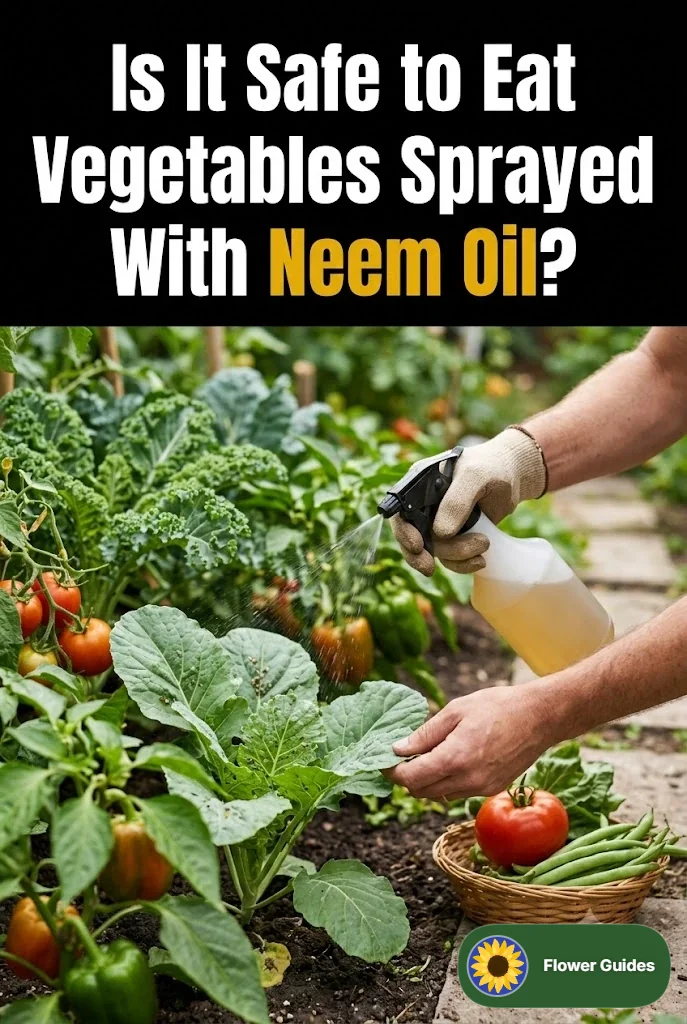
- In a spray bottle, combine 1-2 tablespoons of neem oil with 1 quart of water.
- Add a few drops of liquid soap (preferably organic) to help emulsify the oil.
- Shake well to mix thoroughly.
3. Test on a Small Area First
Before applying neem oil to your entire plant, test it on a small, inconspicuous area. Wait 24 hours to see if there’s any adverse reaction. If the leaves remain healthy, you can proceed with the full application.
4. Apply in the Right Conditions
Timing is essential when using neem oil:
- Apply During Cooler Hours: Early morning or late afternoon is ideal to prevent leaf burn.
- Avoid Rainy Days: Rain can wash away the neem oil, reducing its effectiveness.
- Check for Pests: Ensure you apply when pests are active, usually in the early stages of an infestation.
5. Ensure Even Coverage
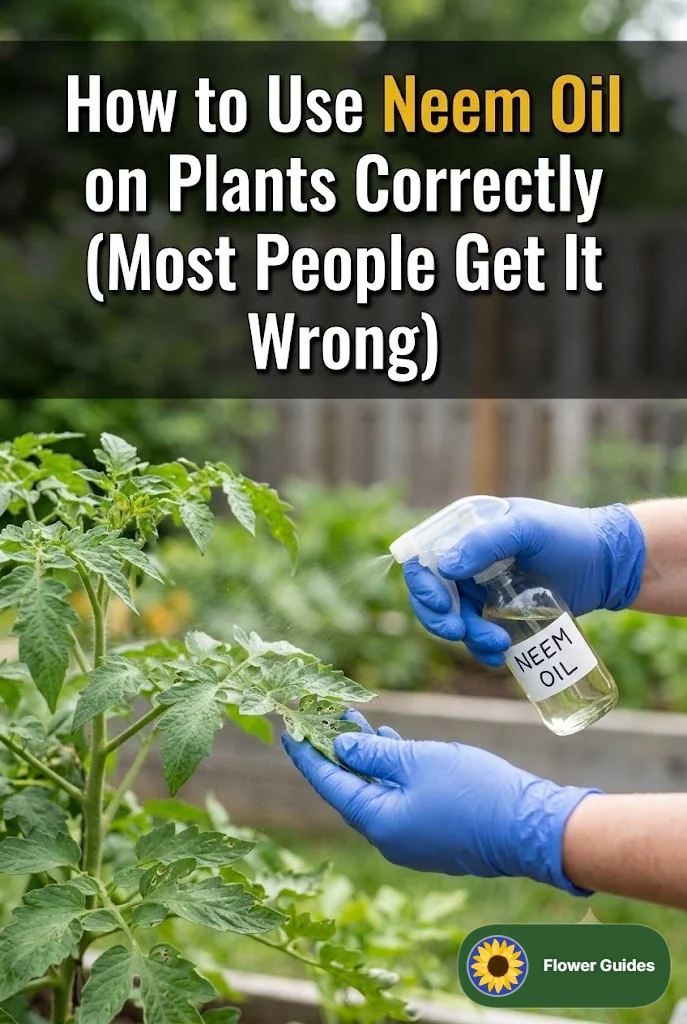
When spraying, make sure to cover both the tops and undersides of leaves, as pests often hide there. A thorough application ensures that the neem oil can reach the pests and diseases effectively.
6. Repeat as Necessary
Neem oil doesn’t provide an instant fix. It works by disrupting the life cycle of pests, so you may need to reapply every 7-14 days, especially for severe infestations.
Common Mistakes to Avoid
Even with the best intentions, it’s easy to make mistakes when using neem oil. Here are some common pitfalls to avoid:
1. Applying Too Much Neem Oil
More isn’t always better. Over-application can lead to phytotoxicity, causing leaf burn and damage. Stick to the recommended dilution ratios.
2. Ignoring the Soap
Liquid soap is crucial for emulsifying neem oil in water. Without it, the oil may not mix properly, leading to uneven application and reduced effectiveness.
3. Neglecting Regular Application
Neem oil needs to be reapplied regularly, especially after rain or heavy watering. Failing to maintain a consistent application schedule can allow pests to return.
4. Applying During Blooming
Avoid using neem oil on flowering plants, as it can deter pollinators. Instead, apply before the blooming season or after flowers have faded.
Pinterest-Style Ideas for Using Neem Oil
Transform your garden care routine with these creative ways to incorporate neem oil:
- Pest Control Spray: Mix neem oil with water and spray on infested plants for immediate relief.
- Preventative Soil Drench: Mix neem oil into your watering can to prevent root pests.
- Foliar Spray for Fungal Issues: Use neem oil as a preventive measure against mildew and rust.
Expert Tips for Maximizing Neem Oil's Effectiveness
Here are some insider tips to enhance the use of neem oil in your gardening practices:
- Combine with Other Organic Solutions: Neem oil can be used alongside other organic treatments like diatomaceous earth for better results.
- Monitor Plant Health: Keep an eye on your plants’ response to neem oil; adjust the frequency and concentration as necessary.
- Consult Local Resources: Reach out to local gardening groups or extension services for region-specific advice on pest management.
Common Questions About Neem Oil
1. Can I use neem oil on all plants?
While neem oil is generally safe for most plants, it’s best to test on a small area first, especially for sensitive varieties.
2. How often should I apply neem oil?
Reapplication every 7-14 days is recommended, particularly for severe pest issues.
3. Does neem oil expire?
Yes, neem oil can degrade over time. Store it in a cool, dark place and use it within a year for best results.
4. Is neem oil safe for pets and children?
Neem oil is generally considered safe when used as directed, but it’s wise to keep pets and children away during application until it dries.
Conclusion
Using neem oil effectively can transform your gardening experience by providing a natural solution to pest and disease problems. By following these tips and avoiding common mistakes, you’ll ensure your plants remain healthy and vibrant. So grab that neem oil, and let your garden thrive!