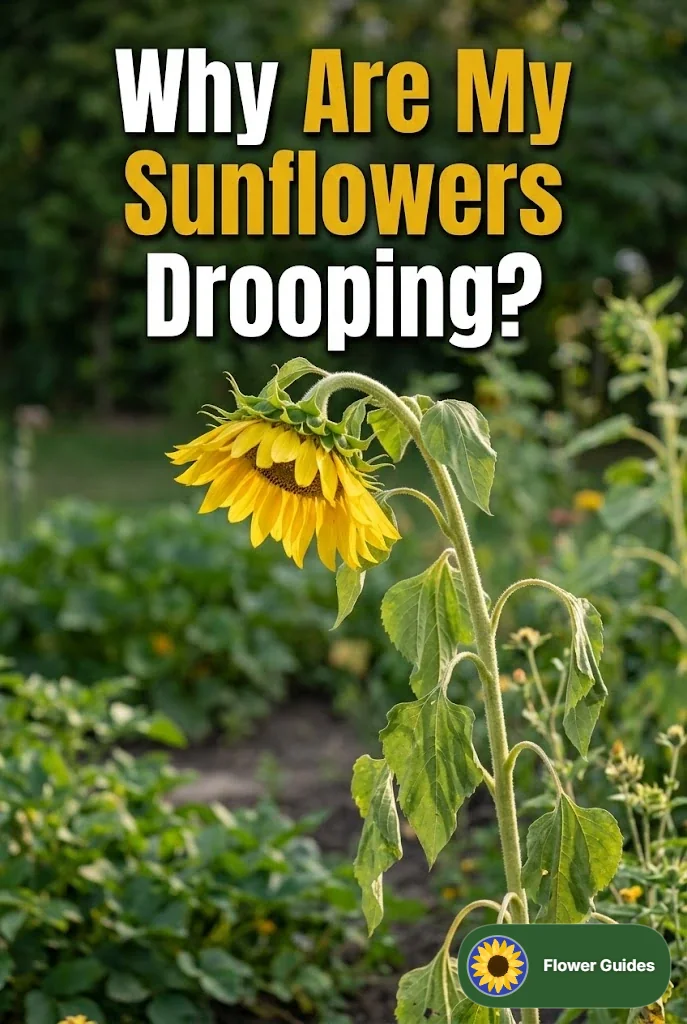
Why Are My Sunflowers Drooping?
Sunflowers are often symbols of warmth and cheer, standing tall with their bright yellow petals and large, inviting faces. However, there’s nothing quite as disheartening as walking into your garden only to find your beloved sunflowers drooping. This can be puzzling for gardeners, especially when you’ve nurtured them with care. Understanding the reasons behind this drooping can help you revive their glory and ensure a healthy bloom.
Quick Answer
If your sunflowers are drooping, it could be due to several reasons including insufficient water, poor soil conditions, pest infestations, or environmental stress. Identifying the specific cause will help you take appropriate action to perk them back up.
Common Reasons for Drooping Sunflowers
1. Insufficient Watering
One of the primary reasons for drooping sunflowers is lack of water. Sunflowers are thirsty plants and require consistent moisture to thrive.
- Check the Soil: Stick your finger about an inch into the soil. If it feels dry, it’s time to water.
- Watering Schedule: Water deeply but infrequently. Aim for about 1 to 1.5 inches of water per week.
2. Overwatering
While sunflowers need water, too much of it can be just as harmful. Overwatering can lead to root rot, which causes drooping.
- Signs of Overwatering: Yellowing leaves and a mushy stem are indicators.
- Solution: Allow the soil to dry out between waterings and ensure adequate drainage.
3. Nutrient Deficiency
Sunflowers thrive in nutrient-rich soil. A lack of essential nutrients can lead to weak stems and drooping flowers.
- Nitrogen Deficiency: Look for yellowing leaves and stunted growth.
- Solution: Incorporate a balanced fertilizer or compost to enrich the soil.
4. Pest Infestations
Pests like aphids, spider mites, and caterpillars can wreak havoc on your sunflowers. They suck the nutrients from the plants, causing them to weaken and droop.
- Identification: Check for visible pests or sticky residue on the leaves.
- Control Measures: Use insecticidal soap or neem oil to treat infestations.
5. Environmental Stress
Sunflowers are sensitive to environmental changes. Factors such as high winds, extreme temperatures, or insufficient sunlight can cause them to droop.
- Wind Damage: Strong winds can physically damage the plants.
- Temperature Extremes: Protect them from frost or excessive heat. A garden fabric can provide some insulation.
- Sunlight Requirements: Ensure your sunflowers receive at least 6-8 hours of direct sunlight daily.
Step-by-Step Guide to Revive Drooping Sunflowers
1. Assess Watering Needs
Start by checking if your sunflowers are receiving the right amount of water. Adjust your watering schedule based on the weather and soil moisture levels.
2. Monitor Soil Quality
Examine the soil for compaction and nutrient levels. If it appears poor, consider aerating the soil and adding organic matter.
3. Inspect for Pests
Regularly check your plants for any signs of pests. Early detection is key to preventing severe infestations.
4. Provide Support
If your sunflowers are tall and have weak stems, consider staking them. This will provide extra support against wind and help them stand tall.
5. Prune Damaged Leaves
Remove any dead or damaged leaves, as this can help redirect energy to healthier parts of the plant.
Pinterest-Style Ideas for Sunflower Care
- Create a Sunflower Support System: Use bamboo stakes or trellises to support tall varieties.
- Make a Natural Pest Repellent: Combine garlic and soap in water for a homemade spray against aphids.
- Design a Watering Schedule Chart: Craft a visual chart to track your watering routine for better consistency.
- Sunflower Companion Planting: Enhance growth by planting sunflowers alongside basil or beans to deter pests.
Expert Tips for Healthy Sunflowers
- Mulching: Use mulch to retain soil moisture and suppress weeds around your sunflowers.
- Regularly Rotate Crops: Avoid planting sunflowers in the same spot every year to prevent soil nutrient depletion and pest buildup.
- Harvest at the Right Time: When the back of the sunflower heads turn brown, it’s time to harvest the seeds. This prevents drooping due to over-ripeness.
Common Questions (FAQ)
Why are my sunflowers wilting in the afternoon?
Sunflowers may wilt in the afternoon heat due to lack of water. Ensure they are adequately hydrated, especially during hot weather.
Can sunflowers recover from drooping?
Yes, most sunflowers can recover if the underlying issue is addressed promptly, such as adjusting water levels or treating pests.
How often should I fertilize my sunflowers?
Fertilize sunflowers every 4 to 6 weeks during the growing season using a balanced fertilizer.
What type of soil is best for sunflowers?
Sunflowers prefer well-draining soil rich in organic matter, with a pH between 6.0 and 7.5 for optimal growth.
Do sunflowers need full sun?
Yes, they thrive in full sun, requiring at least 6 to 8 hours of direct sunlight each day.
Conclusion
Sunflowers can be a joyful addition to any garden, but their drooping can be a sign of underlying issues that need attention. By understanding the causes, monitoring their health, and applying the right care techniques, you can help your sunflowers stand tall and proud once again. Embrace the journey of nurturing these vibrant plants, and soon enough, you’ll be rewarded with their radiant beauty.