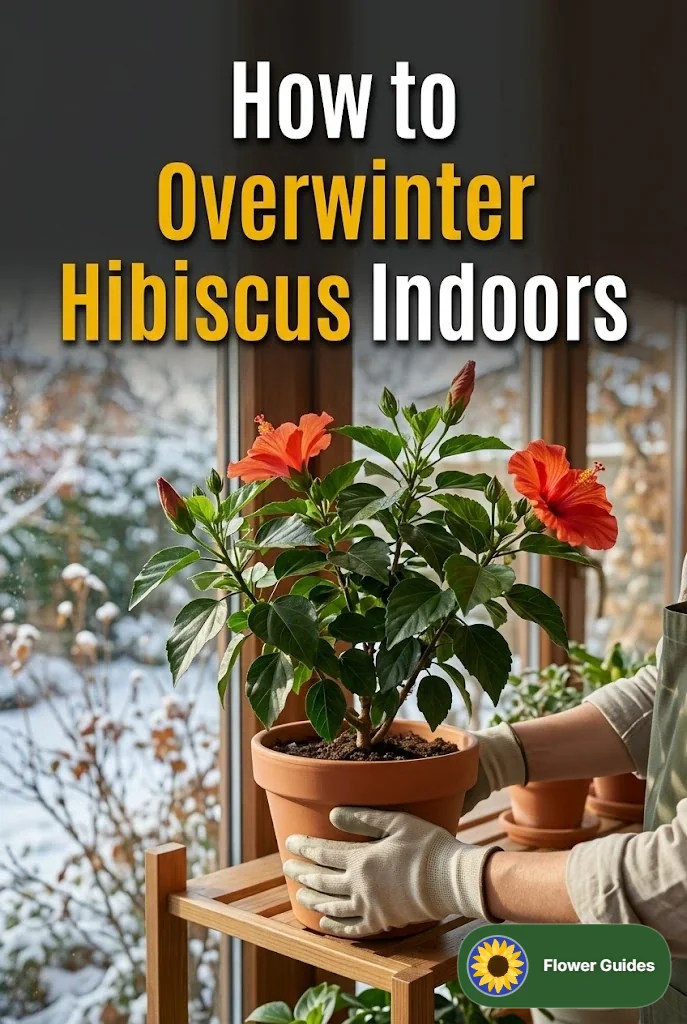
How to Overwinter Hibiscus Indoors
If you’re a hibiscus lover, you know how heartbreaking it can be to see your beautiful blooms fade with the coming of winter. But don’t worry! Overwintering your hibiscus indoors can keep them thriving and ready to burst into color when spring arrives. This guide will walk you through the steps to ensure your hibiscus plants stay healthy and vibrant during the colder months, transforming your home into a warm botanical oasis.
Quick Answer
To successfully overwinter hibiscus indoors, bring them inside before the first frost, provide bright, indirect light, maintain a temperature of 60-70°F, and reduce watering. Regularly check for pests and ensure good air circulation.
Understanding Hibiscus Overwintering
Hibiscus plants are tropical and subtropical, thriving in warm conditions. As temperatures drop, it’s crucial to take action to protect these beauties. Understanding how to effectively overwinter them can mean the difference between a healthy plant and a wilted one come spring.
When to Bring Your Hibiscus Indoors
- Monitor the weather forecast for frost warnings.
- As a general rule, bring your hibiscus indoors when temperatures consistently fall below 50°F.
- Look for signs of stress in your plant, such as wilting or leaf drop, which can indicate it’s time to move them inside.
Preparing Your Hibiscus for Indoors
Preparation is key to ensuring your hibiscus adjusts well to indoor life. Here’s how to get started:
1. Prune Your Hibiscus
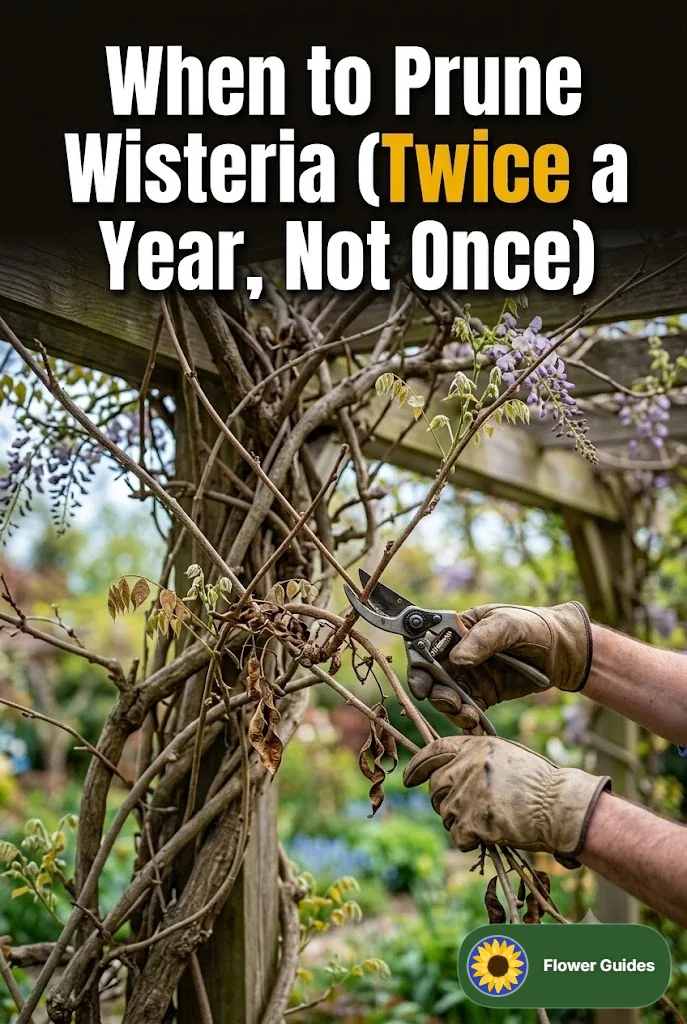
Before bringing your hibiscus indoors, give it a good trim. This helps the plant conserve energy and encourages bushier growth in the spring.
- Remove dead or damaged branches.
- Shorten long stems to about one-third of their height.
2. Inspect for Pests
Check your hibiscus for common pests like aphids, spider mites, or mealybugs. If found, treat them with insecticidal soap or neem oil to ensure a pest-free transition indoors.
3. Choose the Right Pot Size
Make sure your hibiscus is in a pot that allows for good drainage. If the roots are crowded, consider repotting before bringing them inside.
Creating a Suitable Indoor Environment
Once your hibiscus is inside, creating the right environment is essential for its survival and health.
1. Light Requirements
Hibiscus thrives in bright, indirect light. Here’s how to provide the right lighting:
- Place your hibiscus near a south or west-facing window.
- Avoid direct sunlight, which can scorch the leaves.
- If natural light is limited, consider using grow lights to supplement.
2. Temperature Control
Maintain a consistent temperature to help your hibiscus adjust:
- Keep indoor temperatures between 60-70°F.
- Avoid placing your hibiscus near drafts, heaters, or air conditioning vents.
3. Humidity Levels
Hibiscus loves humidity! Here are tips to maintain moisture:
- Use a humidifier in the room where your hibiscus is located.
- Group plants together to create a microenvironment with higher humidity.
- Alternatively, place the pot on a tray filled with pebbles and water, ensuring the pot base is above the water level.
Watering and Feeding Your Hibiscus
Adjusting your watering routine is crucial during the winter months.
1. Watering
During winter, hibiscus requires less frequent watering:
- Check the top inch of soil; if it feels dry, it’s time to water.
- Water thoroughly until excess drains from the bottom of the pot.
- Avoid letting the plant sit in water to prevent root rot.
2. Fertilizing
Reduce fertilization during the winter months, as the plant is not actively growing:
- Stop fertilizing from late fall until early spring.
- When spring arrives, use a balanced liquid fertilizer to encourage new growth.
Monitoring Plant Health
Regularly check on your hibiscus to catch any issues early:
1. Watch for Pests
Continue monitoring for pests throughout the winter. Regularly inspect the leaves and stems.
2. Leaf Drop or Wilting
If your hibiscus begins to drop leaves or wilt, it may be a sign of overwatering or insufficient light. Adjust care accordingly to stabilize the plant.
Pinterest-Style Ideas for Indoor Hibiscus Care
- Colorful Pots: Choose vibrant pots that complement your home décor and enhance your hibiscus’s beauty.
- Decorative Stands: Elevate your hibiscus with stylish plant stands to showcase their stunning blooms.
- Hibiscus Arrangement: Pair your hibiscus with other indoor plants for a lush, tropical display.
Expert Tips for Successful Overwintering
- Consider using a moisture meter to accurately gauge soil moisture levels.
- Rotate your hibiscus periodically to ensure even light exposure on all sides.
- If your hibiscus is particularly large, consider using a plant dolly for easy repositioning.
Common Questions About Overwintering Hibiscus
1. Can I keep my hibiscus outdoors in winter?
Hibiscus should not be left outdoors in freezing temperatures, as they can be severely damaged or killed by frost.
2. How often should I water my hibiscus indoors?
Water your hibiscus when the top inch of soil is dry, usually every 1-2 weeks, depending on humidity and light conditions.
3. Will my hibiscus bloom indoors during winter?
While blooming may slow down, with proper care and lighting, some hibiscus may still produce flowers indoors.
Conclusion
Overwintering your hibiscus indoors doesn’t have to be a daunting task. With the right preparation and care, you can keep your plants healthy and vibrant during the winter months. Create a nurturing environment and watch as your hibiscus rewards you with stunning blooms when spring returns. Happy gardening!