Does Diatomaceous Earth Work for Garden Pests?
As a gardener, encountering pests can feel like an uphill battle. Whether it’s aphids, slugs, or beetles, these little invaders can wreak havoc on your hard-earned blooms and vegetables. Enter diatomaceous earth (DE), a natural, eco-friendly solution that many swear by. But does it really work for garden pests? Let’s dive into the details to see how this powdery substance can fit into your pest control arsenal.
What is Diatomaceous Earth?
Diatomaceous earth is a naturally occurring sedimentary rock that’s crumbled into a fine white powder. It’s made from the fossilized remains of tiny, aquatic organisms called diatoms. This powder is not only useful for various applications, including gardening, but it’s also safe for humans and pets, making it an appealing option for organic gardeners.
How Does Diatomaceous Earth Work?
The effectiveness of diatomaceous earth comes from its unique structure. The sharp edges of the diatom particles can cut through the exoskeletons of insects, causing them to dehydrate and ultimately die. When insects come into contact with DE, it disrupts their protective waxy coating, leading to moisture loss.
Using Diatomaceous Earth for Garden Pests
To make the most of diatomaceous earth in your garden, it’s essential to understand how and when to apply it effectively. Here’s a step-by-step guide:
1. Choose the Right Type
- Food Grade: This is safe for pets and humans and is the type you should use in your garden.
- Industrial Grade: Avoid this type, as it may contain harmful additives.
2. Application Timing
Applying diatomaceous earth is most effective in dry conditions. Rain or excessive moisture can wash away the powder, reducing its effectiveness. Consider applying it:
- In the early morning when dew is minimal
- After a dry spell
3. How to Apply
Follow these steps for effective application:
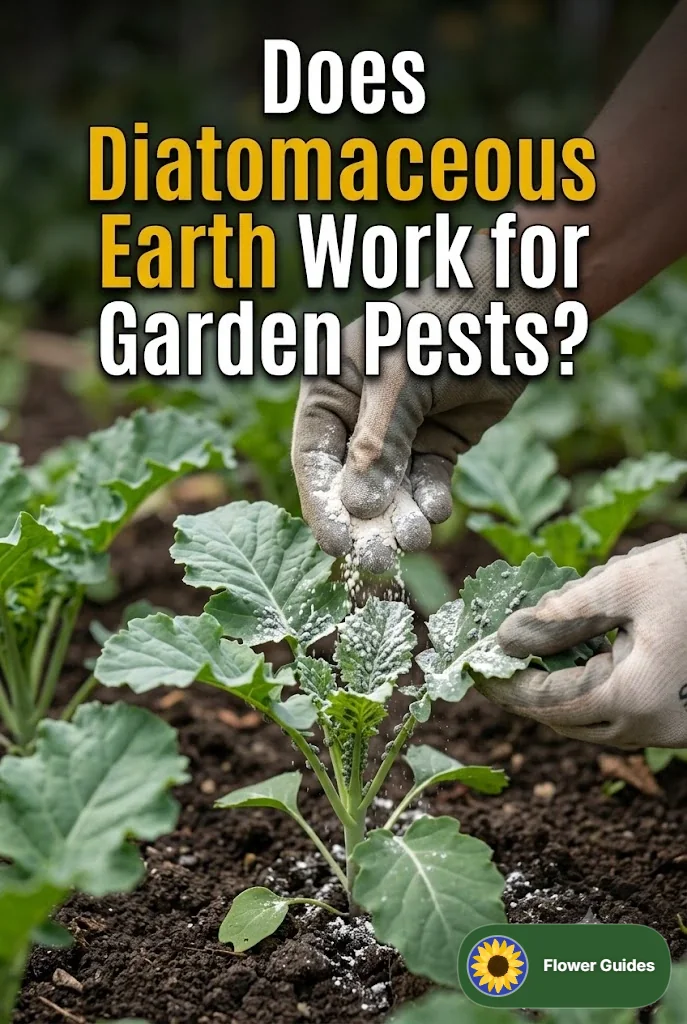
- Wear a mask and gloves to avoid inhaling the fine particles.
- Use a dust applicator or a garden duster for even distribution.
- Sprinkle a fine layer of DE on the soil and around the plants where you’ve noticed pest activity.
- Reapply after rain or heavy watering to maintain its effectiveness.
Common Garden Pests That Diatomaceous Earth Can Help Control
While DE is not a cure-all, it can effectively manage a variety of garden pests, including:
- Soft-bodied insects: Aphids, spider mites, and whiteflies.
- Slugs and snails: The abrasive nature of DE deters these pests when sprinkled along their paths.
- Beetles: Certain types of beetles can also be affected.
Advantages of Using Diatomaceous Earth
There are several benefits to using diatomaceous earth in your garden:
- Non-toxic: Safe for humans and pets, making it ideal for organic gardening.
- Environmentally friendly: DE is a natural product that doesn’t contribute to chemical buildup in the soil.
- Multi-purpose: Besides pest control, it can improve soil health by enhancing drainage.
Common Mistakes to Avoid
While diatomaceous earth can be highly effective, here are some common pitfalls to watch out for:
- Over-application: Applying too much can create a barrier that could block beneficial insects.
- Ignoring moisture: DE is less effective when wet, so always reapply after rain.
- Not targeting the right pests: Ensure you’re using DE for pests that it can effectively control.
Expert Tips for Maximizing Effectiveness
To get the best results from diatomaceous earth, consider these pro tips:
- Combine methods: Use DE alongside other organic pest control methods such as neem oil or insecticidal soap for a more robust defense.
- Monitor regularly: Check your plants frequently for signs of pest activity and reapply DE as needed.
- Use in conjunction with companion planting: Certain plants can repel pests naturally, enhancing your efforts.
Common Questions about Diatomaceous Earth and Garden Pests
Is diatomaceous earth safe for pets?
Yes, food-grade diatomaceous earth is safe for pets and humans. Just ensure you follow application guidelines to minimize inhalation.
How long does diatomaceous earth last in the garden?
The effectiveness of DE can last until it gets wet. Reapply after rain or heavy watering to maintain its pest control properties.
Can I use diatomaceous earth indoors as well?
Absolutely! DE can be used indoors for pest control, but always ensure it’s food grade for safety.
Will diatomaceous earth harm beneficial insects?
Yes, it can affect beneficial insects. Apply it carefully to target only the pests while minimizing impact on helpful species.
Conclusion
Diatomaceous earth is a powerful ally against garden pests when used correctly. Its non-toxic nature and effectiveness make it a staple for organic gardeners. By understanding how to apply it and recognizing its limitations, you can create a thriving garden, free from unwanted pests. Give diatomaceous earth a try and watch your plants flourish!