How Often to Water Herbs in Pots
Growing herbs in pots is a delightful way to enhance your cooking and add greenery to your home. However, knowing how often to water them can be a bit tricky. Overwatering can drown your herbs, while underwatering can lead to wilting and poor growth. Understanding the right watering frequency is crucial for keeping your potted herbs healthy and thriving.
Quick Answer
Water your potted herbs when the top inch of soil feels dry. This typically means watering every 3 to 7 days, depending on the type of herb, pot size, and environmental conditions. Always check the soil moisture before watering.
Understanding Herb Watering Needs
Different herbs have varying water needs based on their native environments. Here’s a closer look at what influences how often you should water your potted herbs.
1. Type of Herb
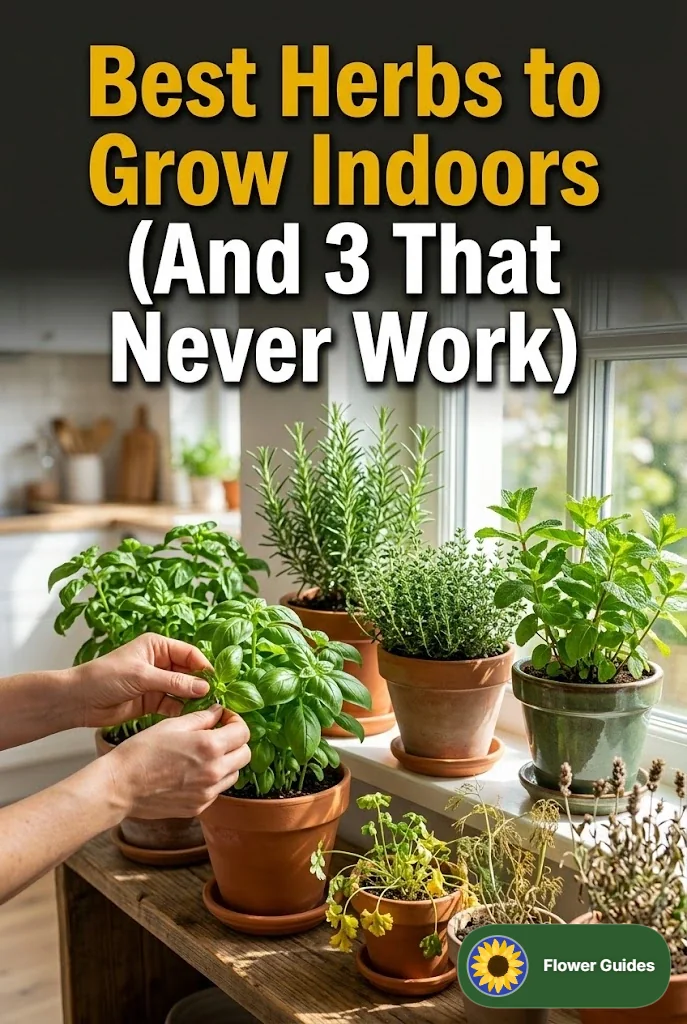
- Thyme, rosemary, and sage: These herbs prefer drier conditions and should be watered less frequently.
- Basil, mint, and parsley: These herbs thrive in moist soil and may require more regular watering.
2. Pot Size and Material
The size and material of your pot significantly affect how often you need to water:
- Small pots: These dry out faster, requiring more frequent watering.
- Large pots: These retain moisture longer, allowing for less frequent watering.
- Clay pots: They are porous and absorb moisture, necessitating more frequent watering.
- Plastic pots: They retain moisture longer, reducing the need for frequent watering.
3. Environmental Conditions
Consider the following factors:
- Temperature: Warmer temperatures speed up evaporation, leading to quicker soil drying.
- Humidity: Higher humidity levels can slow down evaporation, which means less frequent watering.
- Sunlight: Direct sunlight can dry out the soil quickly, often necessitating more frequent watering.
Step-by-Step Guide to Watering Herbs in Pots
Follow these steps to ensure your herbs receive the right amount of water:
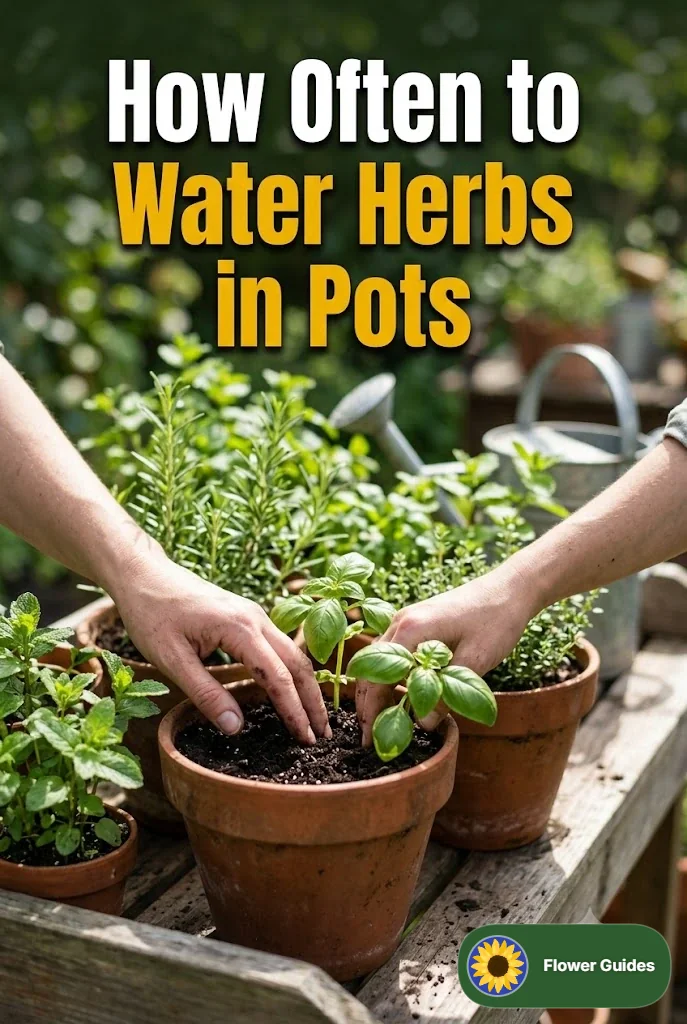
- Check Soil Moisture: Stick your finger about an inch into the soil. If it feels dry, it’s time to water.
- Water Thoroughly: When watering, ensure that water seeps out of the drainage holes at the bottom of the pot. This ensures the roots are getting enough moisture.
- Adjust Based on Weather: During hot, dry spells, you may need to water more frequently. In cooler, humid conditions, reduce the frequency.
- Observe Your Herbs: Look for signs of distress, such as yellowing leaves or drooping. These can indicate either overwatering or underwatering.
Common Mistakes to Avoid
Even seasoned gardeners can make mistakes when watering their herbs. Here are some common pitfalls to avoid:
- Overwatering: This is one of the most common mistakes. Always check the soil moisture before watering.
- Underwatering: If the soil is consistently dry, your herbs may suffer. Keep an eye on the moisture levels, especially in warmer weather.
- Ignoring Drainage: Ensure that your pots have drainage holes to prevent water from pooling at the bottom, which can lead to root rot.
Pinterest-Style Ideas for Watering Herbs
Here are some creative ideas to inspire your herb care routine:
- Herb Watering Schedule: Create a colorful chart to track your watering schedule for different herbs.
- DIY Self-Watering Pots: Explore ways to create self-watering pots using wicks or reservoirs for consistent moisture.
- Herb Care Journal: Maintain a journal to note your watering habits, weather conditions, and herb growth.
- Watering Reminder Apps: Utilize smartphone apps to set reminders for watering your potted herbs.
Expert Tips for Thriving Potted Herbs
Here are some insider tips to help you grow successful herbs:
- Use Quality Potting Mix: A high-quality potting mix helps retain moisture while providing good drainage.
- Fertilize Wisely: Use a balanced, water-soluble fertilizer every few weeks to keep your herbs healthy and vibrant.
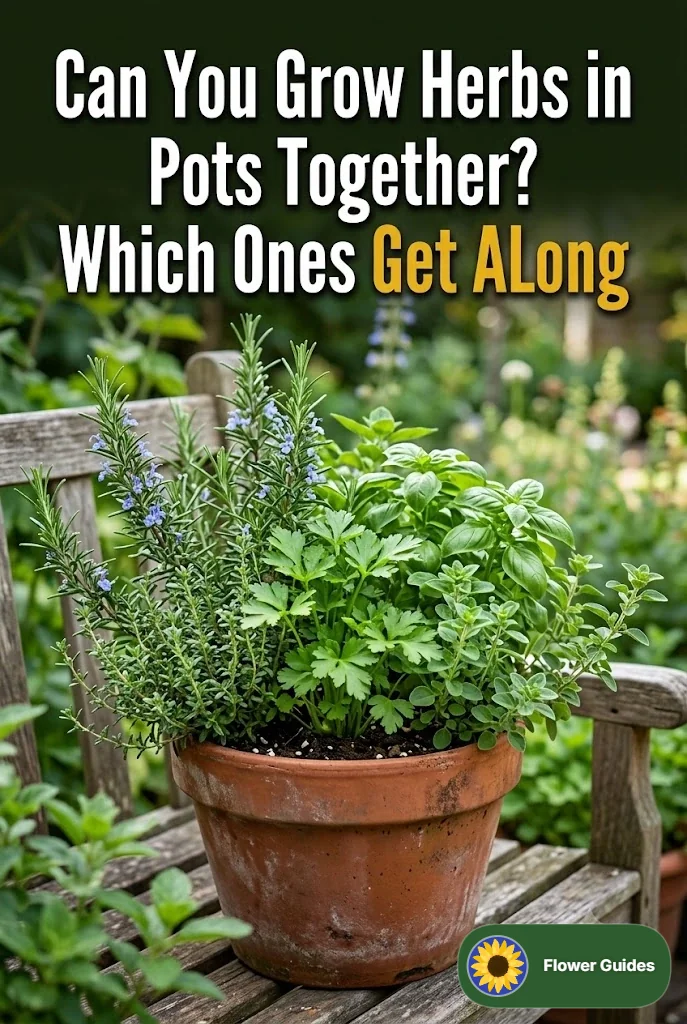
- Group Pots Together: Grouping pots can create a microclimate that helps retain humidity and keeps herbs happy.
- Rotate Pots: Rotate your pots regularly to ensure even sunlight exposure.
Common Questions
How can I tell if my herbs are overwatered?
Signs of overwatering include yellowing leaves, wilting despite moist soil, and root rot. If you notice these signs, reduce watering immediately.
Can I use tap water for my herbs?
Yes, but let tap water sit for 24 hours to allow chlorine to evaporate. This makes it gentler on your herbs.
What time of day is best for watering herbs?
Water your herbs in the early morning or late afternoon. This helps reduce evaporation and ensures the roots absorb moisture effectively.
Should I mist my herbs?
Misting can help increase humidity, especially in dry climates. However, it’s not a substitute for proper watering.
Conclusion
Finding the right watering routine for your potted herbs can transform your gardening experience. By understanding their specific needs and observing your plants closely, you can easily maintain a thriving herb garden. Enjoy the process and the fresh flavors that come with your home-grown herbs!