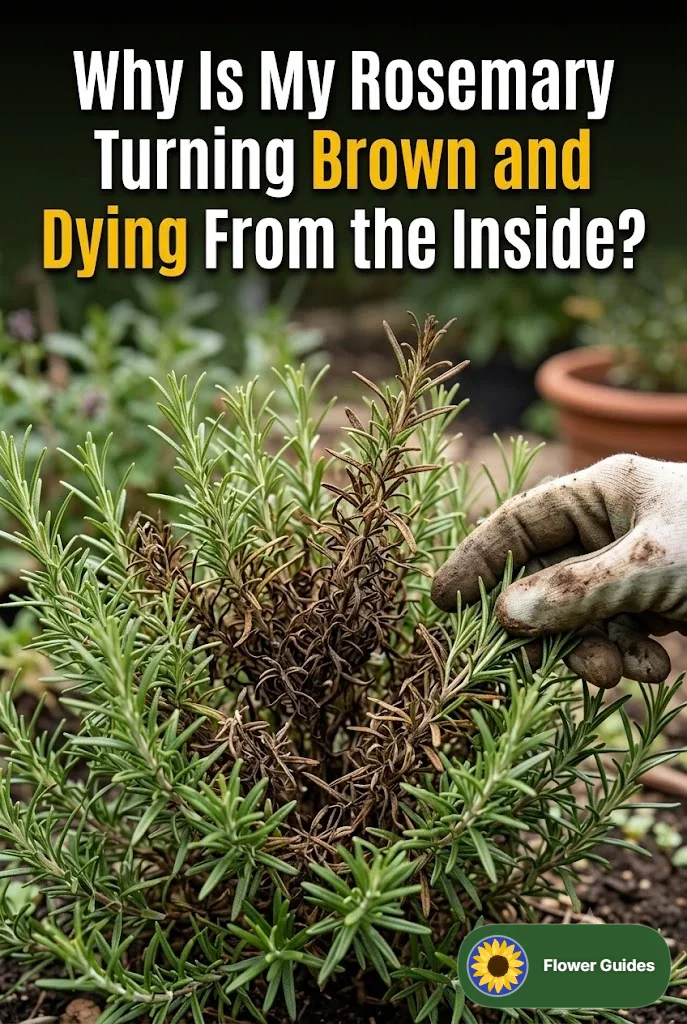
Why Is My Rosemary Turning Brown and Dying From the Inside?
Have you ever noticed your beloved rosemary plant looking less than its best? Perhaps the vibrant green leaves are turning brown and the interior seems to be wilting away. This can be disheartening for gardeners, especially when you’ve nurtured it with care. Understanding the reasons behind these changes is crucial to reviving your plant and ensuring it thrives. Let’s delve into the common causes and solutions for why your rosemary might be turning brown and dying from the inside.
Quick Answer
If your rosemary is turning brown and dying from the inside, it could be due to overwatering, poor drainage, pests, or environmental stress. Identifying the specific issue is key to restoring your plant’s health.
Common Causes of Brown Rosemary
1. Overwatering
One of the most common culprits in rosemary decline is overwatering. Rosemary is a Mediterranean herb that thrives in dry, well-drained soil. When the roots sit in waterlogged soil, they can suffocate and rot, leading to brown leaves and a dying plant. Signs of overwatering include:
- Yellowing leaves before browning
- Soft, mushy stems
- A sour smell from the soil
2. Poor Drainage
Closely related to overwatering is poor drainage. If your pot lacks adequate drainage holes or if the soil is too dense, water can accumulate at the bottom, causing root rot. To ensure good drainage:
- Use a pot with drainage holes.
- Choose a soil mix designed for herbs or one that contains sand or perlite for aeration.
- Elevate pots slightly using pot feet to encourage airflow.
3. Pest Infestation
Sometimes, pests like aphids, spider mites, or whiteflies can attack rosemary plants, leading to browning leaves. These pests suck the sap from the plant, weakening it over time. Look for:
- Webbing on the plant
- Sticky residue on leaves (honeydew)
- Visible insects on the foliage
Regularly inspecting your plants can help catch infestations early.
4. Environmental Stress
Rosemary is sensitive to environmental changes. Factors such as temperature fluctuations, low humidity, or exposure to extreme heat can stress the plant. Keep an eye out for:
- Browning tips of leaves
- Leaves dropping off
- Wilting despite adequate watering
Providing a stable environment is essential for healthy growth.
5. Nutrient Deficiency
Like all plants, rosemary requires essential nutrients to thrive. A deficiency in nitrogen, potassium, or magnesium can lead to yellowing and browning leaves. Consider:
- Using a balanced fertilizer designed for herbs.
- Applying compost to enrich the soil.
- Testing your soil pH to ensure it’s in the ideal range (6.0 to 7.0).
Steps to Revive Your Rosemary
Assessing Watering Practices
Start by checking your watering routine. Allow the top inch of soil to dry out before watering again. Stick your finger in the soil; if it feels damp, hold off on watering. Consistency is key—water when needed and always ensure excess water can escape.
Improving Soil and Drainage
If you suspect poor drainage, repot your rosemary in a well-draining mix. A combination of potting soil, sand, and perlite can work wonders. Ensure your pot has several drainage holes, and consider adding a layer of gravel at the bottom for extra drainage.
Tackling Pest Problems
If pests are the issue, act quickly. Use insecticidal soap or a mixture of water and mild dish soap to wash the affected areas. Regularly inspect your plants and consider using neem oil as a preventative measure.
Creating a Stable Environment
To reduce environmental stress, place your rosemary in a location with plenty of sunlight (at least 6-8 hours a day). Avoid placing it near drafts or heat sources. If your home is particularly dry, consider using a humidity tray or a small humidifier nearby.
Fertilizing Wisely
Once your rosemary is stable, you can begin fertilizing. Use a balanced, slow-release fertilizer during the growing season. Follow the instructions on the package for the best results. Be careful not to over-fertilize, as this can lead to more issues.
Pinterest-Style Ideas for Rosemary Care
Let’s explore some creative ideas to keep your rosemary healthy and thriving:
- Herb Garden Trio: Pair rosemary with thyme and basil in a decorative pot for an aromatic kitchen display.
- DIY Rosemary Oil: Infuse olive oil with rosemary for a fragrant and flavorful addition to your cooking.
- Herbal Sachets: Dry rosemary and use it in sachets to keep your drawers smelling fresh.
- Rosemary Wreath: Create a beautiful wreath using fresh rosemary, perfect for holiday decorations.
Expert Tips for Long-Term Rosemary Health
Here are some insider tips to keep your rosemary flourishing:
- Regularly prune your rosemary to promote bushier growth and prevent woody stems.
- Rotate your pot occasionally to ensure even sunlight exposure.
- Consider growing rosemary outdoors if possible, as it thrives in full sun and well-drained soil.
Common Questions About Rosemary Care
Why are the tips of my rosemary turning brown?
Browning tips can be a sign of underwatering or environmental stress. Ensure consistent watering and stable conditions.
Can I save a dying rosemary plant?
Yes! Identify the underlying issue, make necessary adjustments, and provide proper care to revive your plant.
How often should I water rosemary?
Water rosemary when the top inch of soil feels dry. This typically means watering every 1-2 weeks, depending on conditions.
Conclusion
Understanding why your rosemary is turning brown and dying from the inside is the first step toward revitalizing your plant. By addressing issues like overwatering, poor drainage, pests, and environmental stress, you can help your rosemary thrive. With a little care and attention, your rosemary can return to its vibrant state, providing you with beautiful foliage and delightful flavor for your dishes. Keep nurturing your green thumb!