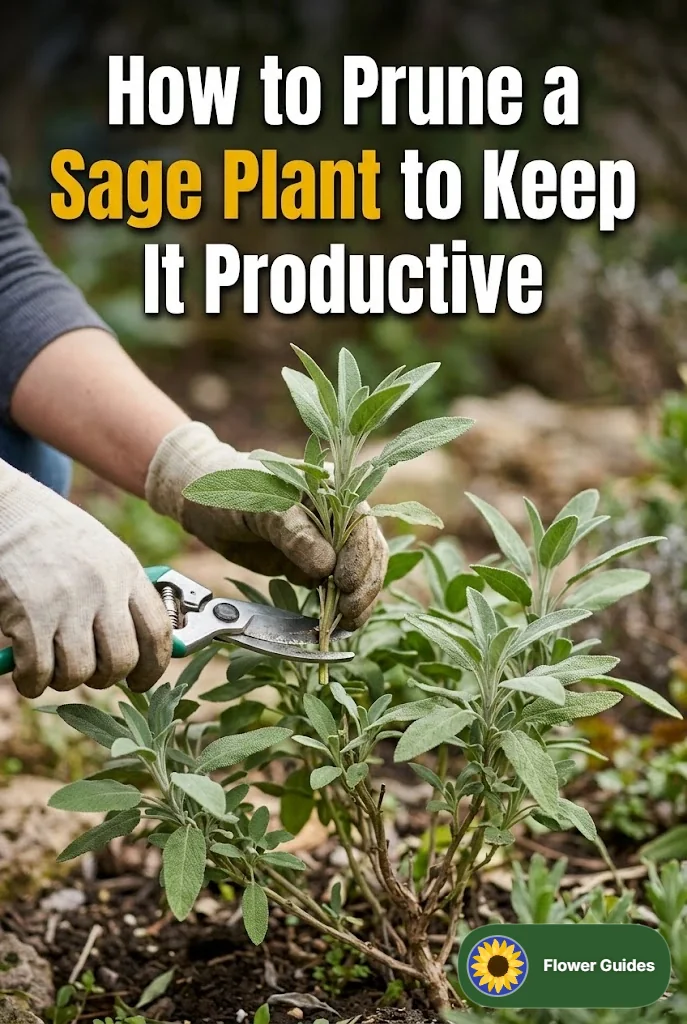
How to Prune a Sage Plant to Keep It Productive
Pruning a sage plant can seem daunting, especially if you’re not sure when or how to do it. However, maintaining your sage isn’t just about tidiness; it’s essential for promoting healthy growth, preventing disease, and ensuring a bountiful harvest. Whether you’re a seasoned gardener or just starting, having a productive sage plant can elevate your culinary creations and enhance your garden’s beauty. Let’s dive into the art of pruning sage to keep it thriving.
Quick Answer
To keep a sage plant productive, prune it in early spring, cutting back about one-third of the plant. This encourages new growth, maintains shape, and prevents woodiness. Regular pruning throughout the growing season also helps to promote healthy foliage and flavorful leaves.
Understanding Sage Growth Patterns
Sage (Salvia officinalis) is a hardy perennial herb that can thrive for many years with proper care. Understanding its growth patterns is crucial for effective pruning.
Growth Stages of Sage
- New Growth: In spring, sage starts producing lush green leaves, making it the perfect time for rejuvenating cuts.
- Flowering Stage: Sage blooms in late spring to early summer. Pruning at this stage can encourage bushier growth.
- Post-Bloom: After flowering, sage may become leggy. Pruning here helps maintain a fuller shape.
Signs Your Sage Needs Pruning
- Leaves are sparse or leggy.
- The plant appears woody or overgrown.
- Foliage is turning brown or has spots.
When to Prune Sage
Timing is everything when it comes to pruning sage. Here’s a simple guide:
Early Spring Pruning
As a general rule, prune your sage in early spring before new growth begins. This allows the plant to rejuvenate and encourages robust growth throughout the growing season.
Mid-Season Maintenance
During the growing season, you can perform light trims to maintain shape and remove any dead or damaged leaves. This keeps your sage looking fresh and promotes airflow.
Post-Bloom Care
After the flowering period, consider cutting back any spent flower stalks. This not only tidies up the plant but also redirects energy back into leaf production.
Step-by-Step Guide to Pruning Sage
Follow these steps to successfully prune your sage plant and keep it healthy and productive.
Tools You Will Need
- Sharp pruning shears or scissors
- Garden gloves
- Disinfectant (like rubbing alcohol or diluted bleach)
Steps to Prune
- Prepare Your Tools: Clean and disinfect your pruning shears to prevent the spread of disease.
- Inspect the Plant: Look for any dead, damaged, or diseased branches.
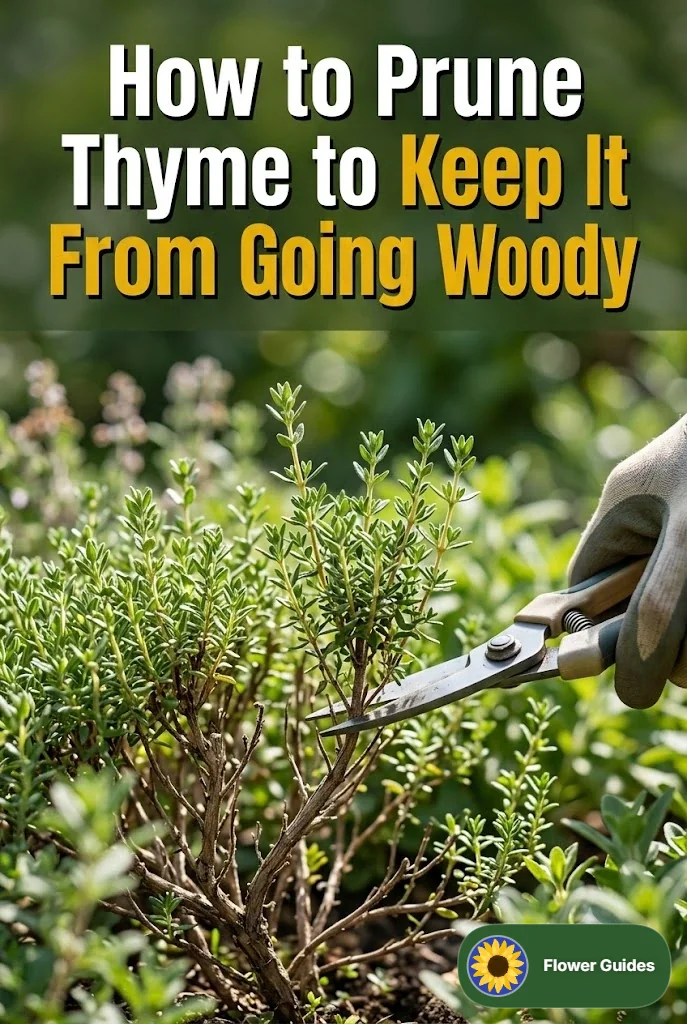
- Cut Back Old Wood: Trim about one-third of the plant, focusing on older stems. Cut just above a leaf node for optimal growth.
- Remove Flower Stalks: If any flowers have wilted, cut them back to encourage new foliage.
- Shape the Plant: If the plant is getting leggy, trim back the longer branches to maintain a bushy appearance.
Pinterest-Style Ideas for a Thriving Sage Plant
Here are some inspiring ideas to keep your sage plant productive and attractive:
- Herb Spiral: Create a herb spiral incorporating sage for beautiful aesthetics and easy access.
- Companion Planting: Pair sage with other herbs like rosemary and thyme to enhance growth and flavors in your garden.
- Decorative Pots: Use colorful pots to house your sage, making it a focal point on your patio.
- Sage Bundles: After pruning, dry your sage leaves and create beautiful bundles for storage or gifting.
- Infused Oils: Use your freshly pruned sage to infuse oils for cooking, adding a gourmet touch to your dishes.
Expert Tips for Pruning Sage
Here are some insider tips to take your sage pruning to the next level:
- Prune Regularly: Regular light pruning promotes bushiness and prevents woodiness in older plants.
- Avoid Heavy Pruning in Fall: Don’t prune too late in the season, as this may weaken the plant before winter.
- Monitor Pests: Keep an eye out for pests like aphids or spider mites. Pruning can help eliminate problem areas.
- Water After Pruning: Water your sage thoroughly after pruning to encourage new growth and recovery.
Common Questions About Pruning Sage
How often should I prune my sage plant?
You should prune your sage plant at least once in early spring and perform light maintenance trims throughout the growing season.
Can I prune sage in the fall?
It’s best to avoid heavy pruning in fall, as it can stress the plant before winter dormancy. Focus on spring pruning instead.
What if my sage plant is too woody?
If your sage becomes overly woody, cut back the old stems to encourage new growth. Regular pruning can help prevent this issue.
Do I need to fertilize after pruning?
While not necessary, a light application of balanced fertilizer after pruning can help boost new growth.
Conclusion
Pruning your sage plant is a simple yet effective way to ensure it remains productive, healthy, and beautiful. By following the right steps and timing, you can encourage lush growth and flavorful leaves year after year. Embrace the art of pruning, and enjoy the culinary benefits of your thriving sage plant!