Should You Let Basil Flower? What It Does to the Taste
Basil is a beloved herb in many kitchens, known for its aromatic leaves and versatility in various dishes. However, as you nurture your basil plants, you may wonder about the implications of allowing them to flower. Some gardeners might encourage flowering for aesthetic reasons, while others fear it could compromise the plant’s flavor. Understanding the effects of flowering on basil can help you make informed decisions about your herb garden and culinary creations.
What Happens When Basil Flowers?
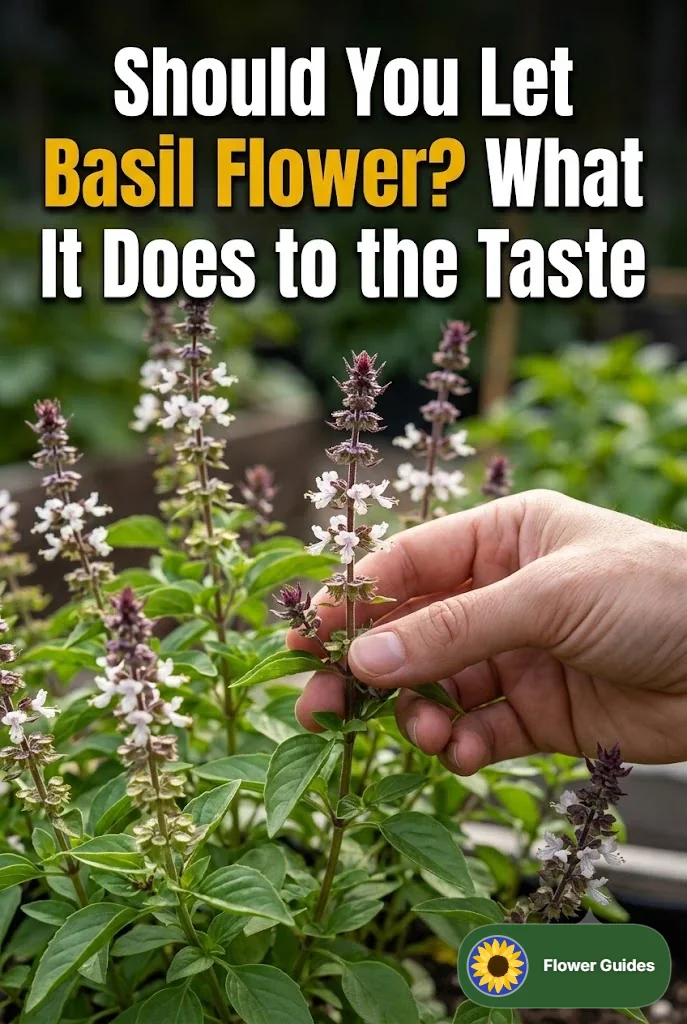
When basil plants begin to flower, they undergo a significant change. Flowering is part of the plant’s natural life cycle, signaling that it is maturing and preparing to reproduce. While this is a natural process, it can have notable effects on the plant’s growth and flavor.
Growth Changes
- Energy Allocation: Once a basil plant starts to flower, it diverts energy from producing leaves to developing flowers and seeds. This can lead to a decline in leaf production, which is the part of the plant most commonly used in cooking.
- Size and Structure: Flowering can cause the plant to become taller and leggy, as it stretches toward the light. This change in structure can make basil less visually appealing and harder to harvest.
Flavor Alterations
One of the main concerns when allowing basil to flower is the potential impact on its flavor. As the plant transitions to its reproductive phase, the taste of the leaves can change significantly.
- Bitterness: Flowering basil often develops a more bitter taste compared to its non-flowering counterparts. This bitterness can overshadow the sweet, aromatic qualities that are characteristic of fresh basil.
- Decreased Aroma: The essential oils that contribute to basil’s delightful fragrance can diminish as the plant focuses on flowering. This loss of aroma can affect the overall flavor profile of dishes that include basil.
Should You Let Your Basil Flower?
The decision to let basil flower or not ultimately depends on your gardening goals and culinary preferences. Here are some considerations to help you make that choice:
Reasons to Let Basil Flower
- Aesthetic Appeal: Flowering basil can add a lovely visual element to your garden or kitchen. The delicate white or purple flowers can be quite charming.
- Seeds for Future Plants: Allowing basil to flower and go to seed can provide you with the opportunity to grow new plants. If you’re interested in propagation, this can be a practical choice.
- Attracting Pollinators: Flowering basil can attract beneficial insects like bees and butterflies, enhancing the biodiversity of your garden.
Reasons to Prune Flowers
- Flavor Preservation: If you cherish the classic taste and aroma of basil, it’s best to pinch off the flower buds as they appear. This will encourage the plant to produce more leaves and maintain its flavorful qualities.
- Better Harvests: Regularly pruning flowering stems can lead to a more abundant harvest, allowing you to enjoy fresh basil for a longer period.
- Overall Plant Health: Keeping your basil plant focused on leaf production can lead to a healthier, bushier plant, making it more resilient to pests and diseases.
How to Manage Basil Flowering
If you’ve decided to keep your basil plants flowering or want to control the process, here are some practical tips:
Pruning Techniques
- Regular Monitoring: Check your basil plants regularly for flower buds. Early identification will give you the chance to prune before flowering becomes extensive.
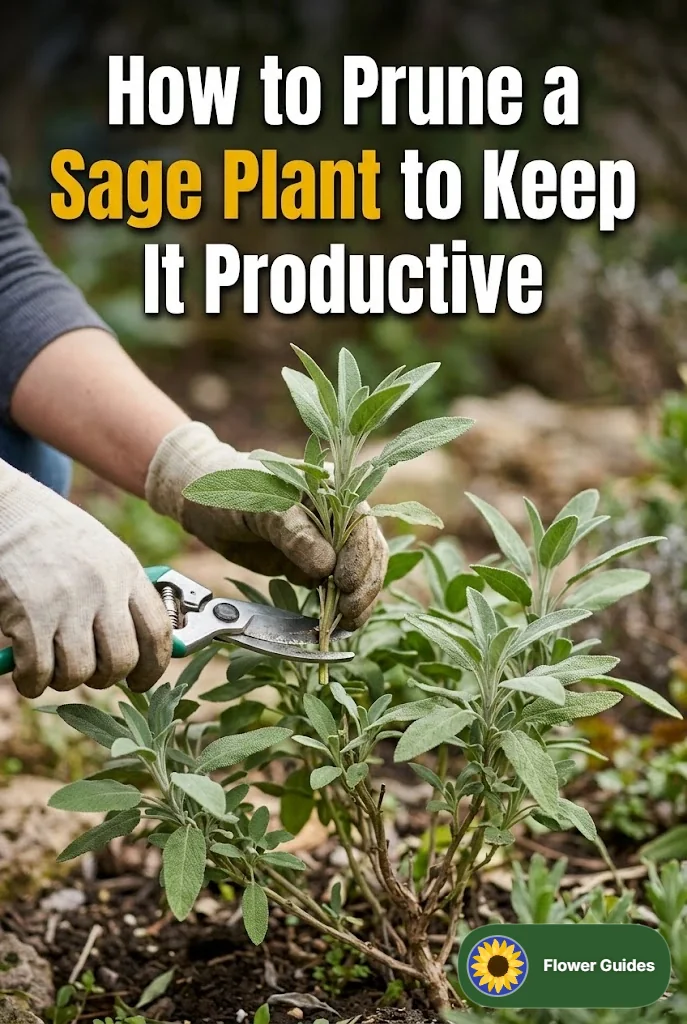
- Pinching Off Buds: Use your fingers or clean scissors to remove flower buds as soon as you see them. Aim to cut just above a set of leaves to encourage new growth.
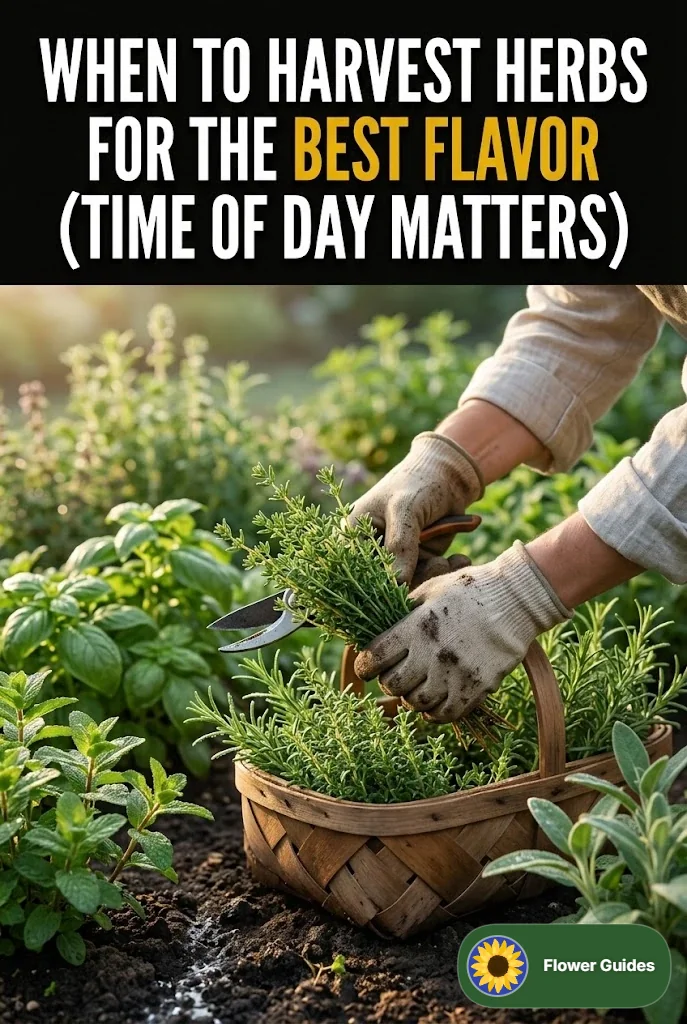
- Timing Your Harvest: Harvest leaves in the morning when the essential oils are most concentrated. This timing can help you maximize flavor before the plant starts to flower.
Encouraging Leaf Growth
- Fertilization: Use a balanced fertilizer to promote healthy leaf growth. High nitrogen fertilizers can help maintain lush foliage.
- Optimal Sunlight: Ensure your basil plants receive plenty of sunlight, ideally 6-8 hours per day. Adequate light supports healthy growth and flavor.
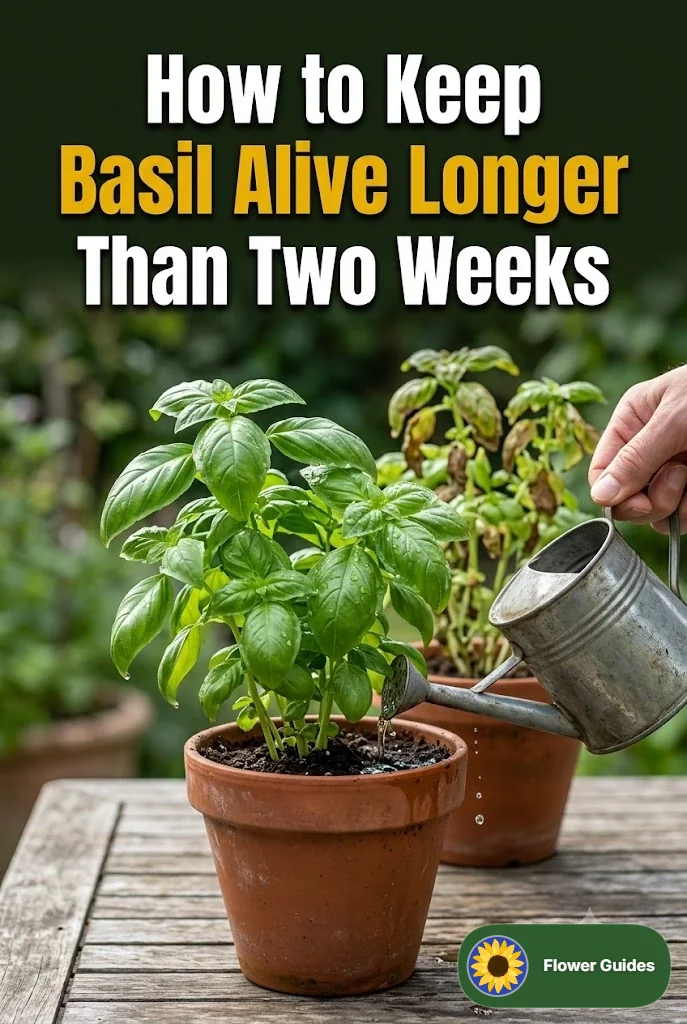
- Proper Watering: Water your basil consistently, allowing the soil to dry slightly between waterings. Overwatering can stress the plant and lead to premature flowering.
Pinterest-Style Ideas for Your Basil
- Basil Infused Oil: Create a fragrant basil-infused oil perfect for drizzling over salads or pasta dishes.
- Flavored Ice Cubes: Freeze basil leaves in ice cubes for a refreshing addition to summer drinks.
- Basil Pesto: Whip up a batch of homemade basil pesto to elevate any dish with its vibrant flavor.
- Basil-Infused Vinegar: Infuse vinegar with basil for a delicious salad dressing or marinade base.
- Herb Garden Centerpiece: Use flowering basil in a beautiful herb arrangement for your dining table.
Expert Tips for Growing Basil
Here are some insider tips to maximize your basil’s flavor and health:
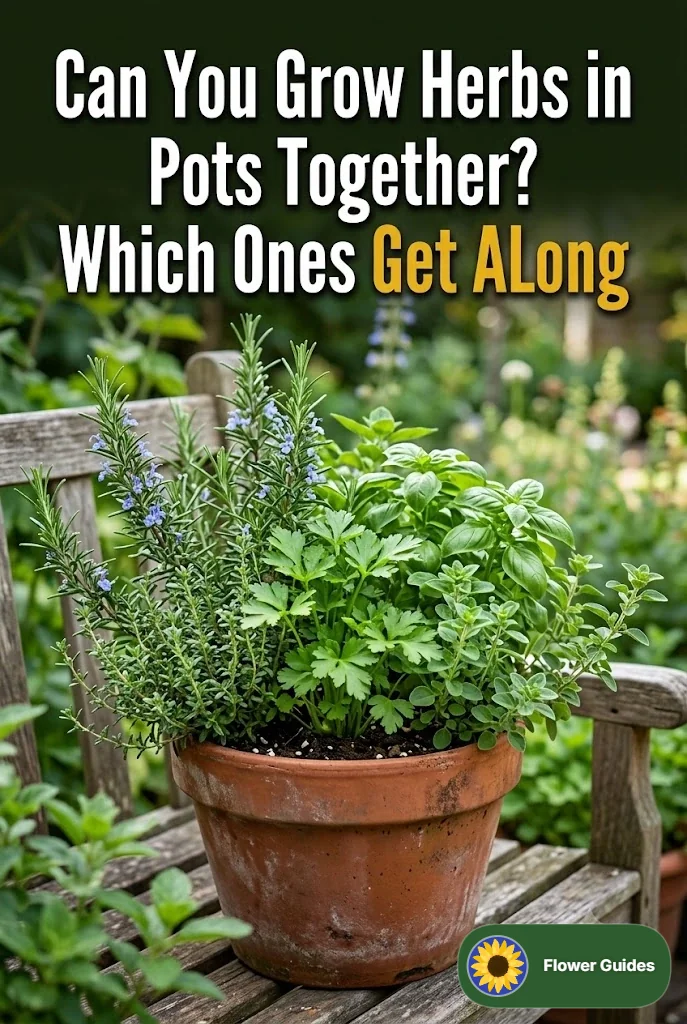
- Companion Planting: Pair basil with tomatoes, peppers, or oregano to enhance growth and deter pests.
- Rotate Your Crops: Avoid planting basil in the same spot year after year to reduce the risk of soil-borne diseases.
- Harvest Frequently: The more you harvest basil, the more it will grow. Regularly cutting leaves encourages bushier growth.
Common Questions About Basil Flowering
1. Can I eat basil that has flowered?
Yes, flowering basil is safe to eat, but the taste may be more bitter than non-flowering basil.
2. How can I tell when to prune my basil?
Prune when you see flower buds forming, typically when they are small and just starting to appear.
3. Will flowering basil return to leaf production?
Once a basil plant flowers, it may not return to producing leaves as vigorously, so it’s best to prune early.
Conclusion
Understanding whether to let basil flower is crucial for any herb enthusiast. While flowering can have its benefits, such as aesthetic appeal and attracting pollinators, it often comes at the cost of flavor and leaf production. By actively managing your basil plants through pruning and care, you can enjoy the best of both worlds: beautiful plants and delicious, aromatic leaves for your culinary adventures.