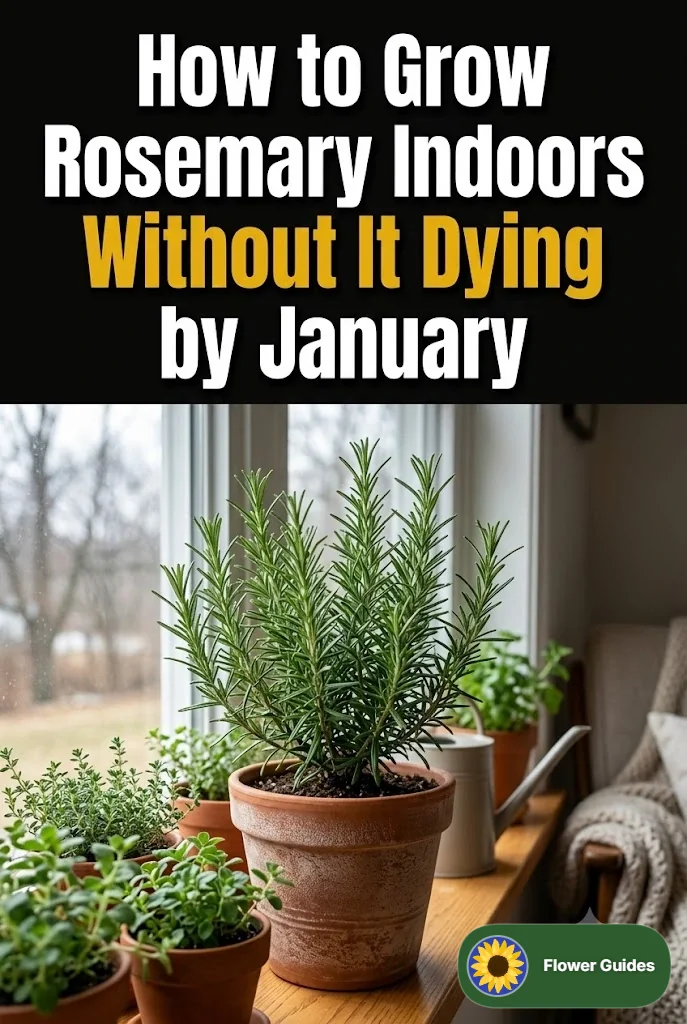
How to Grow Rosemary Indoors Without It Dying by January
Growing rosemary indoors can be a rewarding experience, especially when you enjoy the fresh aroma and flavor it adds to your dishes. However, many gardeners struggle to keep this aromatic herb alive through the winter months. By understanding its needs and providing the right conditions, you can enjoy a thriving rosemary plant well into January and beyond. Let’s explore how to successfully cultivate rosemary indoors, ensuring it remains healthy and vibrant.
Quick Answer
To grow rosemary indoors successfully through winter, ensure it receives plenty of sunlight, maintain proper humidity and temperature, and avoid overwatering. Use well-draining soil and provide regular, but moderate, fertilization to keep your plant thriving.
Understanding Rosemary's Needs
Before diving into the specifics of indoor care, it’s essential to understand the natural habitat of rosemary. This herb thrives in Mediterranean climates, characterized by hot, dry summers and mild, wet winters. Replicating these conditions indoors is key to your success.
Light Requirements
Rosemary loves sunlight. Ideally, it requires around 6 to 8 hours of direct sunlight each day. Here are some tips to ensure your plant gets enough light:
- Place your rosemary near a south or west-facing window where it can soak up sunlight.
- If natural light is insufficient, consider using grow lights to supplement.
- Rotate the pot every few weeks to ensure all sides of the plant receive equal light exposure.
Temperature and Humidity
Rosemary prefers temperatures between 65°F and 75°F (18°C to 24°C) during the day and slightly cooler at night. Here are some considerations for maintaining the right environment:
- Avoid placing your rosemary plant near drafts, heaters, or air conditioning vents.
- Maintain indoor humidity levels around 40-60%. If your home is dry, consider using a humidifier or placing a tray of water near the plant.
Choosing the Right Soil and Pot
Using the right soil and pot is crucial for the health of your rosemary. Here’s what to consider:
Soil Selection
Rosemary thrives in well-draining soil. A high-quality potting mix specifically designed for herbs or a blend of potting soil and sand works well. Here are some tips:
- Choose a mix with good drainage to prevent root rot.
- Consider adding perlite or coarse sand to improve aeration.
Pot Type and Size
When selecting a pot for your rosemary, keep these points in mind:
- Use a pot that has drainage holes to allow excess water to escape.
- A pot that is too large can lead to overwatering, so opt for one that is just slightly larger than the root ball of the plant.
Watering Your Rosemary
One of the most common reasons rosemary fails indoors is overwatering. Here’s how to water effectively:
- Allow the top inch of soil to dry out before watering again.
- Water deeply, ensuring that excess water drains out of the bottom of the pot.
- During winter, rosemary requires less frequent watering compared to the growing season.
Fertilizing Rosemary
While rosemary is not a heavy feeder, providing nutrients is essential for healthy growth. Here’s how to fertilize properly:
- Use a balanced, water-soluble fertilizer every 4-6 weeks during the growing season (spring and summer).
- In winter, reduce fertilization to once every 2-3 months, as the plant’s growth slows down.
Common Mistakes to Avoid
Even with the best intentions, it’s easy to make mistakes when caring for rosemary indoors. Here are some common pitfalls to avoid:
- Overwatering: Rosemary is drought-tolerant, so err on the side of underwatering.
- Insufficient light: If your plant isn’t thriving, it might not be getting enough sunlight.
- Ignoring pests: Keep an eye out for common pests like spider mites and aphids, and treat them promptly.
Pinterest-Style Ideas for Rosemary Use
Once you have a thriving rosemary plant, consider these creative uses:
- Herb-Infused Oils: Create flavorful oils for cooking or salad dressings.
- Fragrant Sachets: Dry rosemary and use it in sachets for natural aroma in your home.
- Natural Remedies: Use rosemary for its potential health benefits in teas or infused water.
Expert Tips for Thriving Rosemary
Here are some insider tips to help your rosemary flourish indoors:
- Consider pruning your plant regularly to encourage bushiness and prevent legginess.
- Try propagating rosemary from cuttings if you want to expand your indoor herb garden.
- If possible, expose your rosemary to fresh air outside during mild winter days for a natural boost.
Common Questions About Growing Rosemary Indoors
1. Can I grow rosemary indoors all year round?
Yes, with the right conditions, rosemary can thrive indoors year-round.
2. How do I know when to water my rosemary?
Check the top inch of soil; if it’s dry, it’s time to water.
3. What should I do if my rosemary plant starts to wilt?
Check for watering issues, pests, or inadequate light conditions; adjust as necessary.
Conclusion
Growing rosemary indoors can be a delightful way to enhance your cooking and brighten your home. By providing proper light, temperature, and care, you can keep your rosemary plant thriving long past January. Embrace the journey of indoor gardening and enjoy the fresh flavor of your homegrown rosemary all year round!