Is Parsley a Perennial? What Happens in Year Two
If you’ve ever dabbled in gardening, you might be familiar with parsley—its vibrant green leaves add flavor to dishes and a pop of color to your herb garden. But as you nurture your parsley plants, you may wonder: is parsley a perennial? And what can you expect when year two rolls around? Understanding parsley’s growth habits can transform your gardening experience and help you make the most of this versatile herb.
Is Parsley a Perennial?
To answer the burning question: parsley, specifically the common varieties you’re likely to grow (like curly or flat-leaf), is technically a biennial herb. This means it typically completes its life cycle in two years. In the first year, parsley focuses on growing lush foliage; in the second year, it shifts its energy towards flowering and seed production. However, many gardeners treat parsley as an annual, replanting it each year for a continuous supply of fresh leaves.
Understanding Biennial Plants
Biennial plants like parsley have a unique growth pattern. Here’s a quick breakdown:
- Year One: The plant produces leaves and establishes a robust root system.
- Year Two: The plant flowers, produces seeds, and then typically dies after its reproductive phase.
While you might not see parsley as a perennial in the traditional sense, with the right conditions, it can act like one in your garden. In milder climates, parsley may survive the winter and continue to produce leaves in its second year, giving it a perennial-like quality.
What Happens in Year Two?
As your parsley enters its second year, several exciting changes occur. Understanding these shifts can help you decide how to manage your plant for optimal growth and flavor.
Growth Changes
In the first year, you’ll notice lush green leaves thriving. However, as parsley enters its second year, its focus shifts:
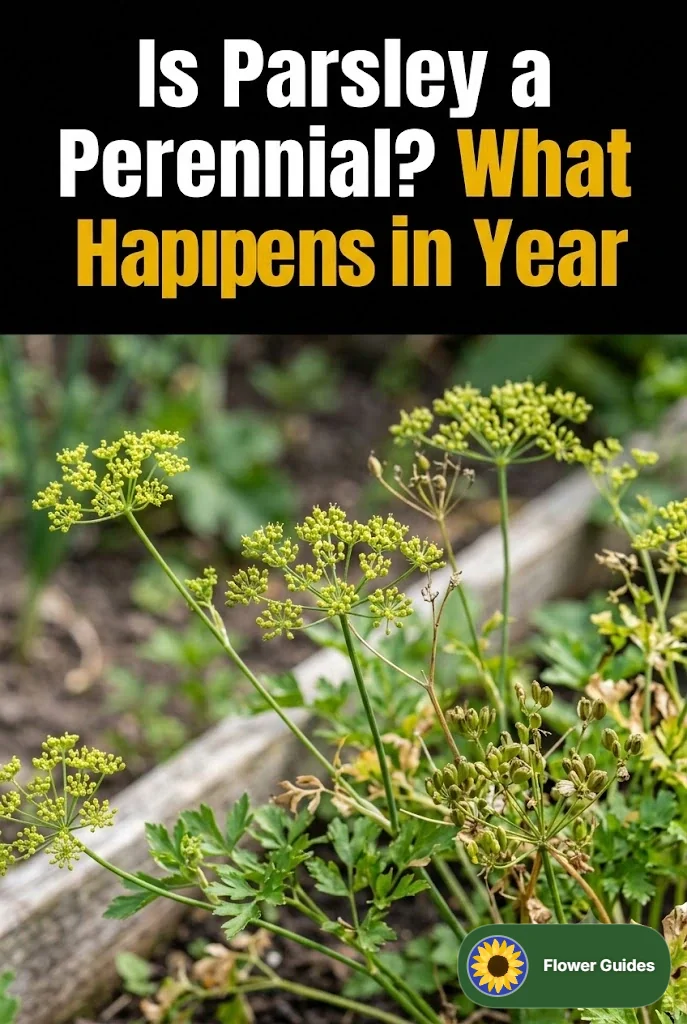
- Flowering: The plant will begin to send up flower stalks, usually tall and slender. These flowers can be small and white or yellow, depending on the variety.
- Leaf Quality: As the plant redirects energy towards flowering, the quality of the leaves may diminish. They can become tougher and may not be as flavorful.
Seed Production
Once it flowers, parsley will produce seeds. This can be a delightful aspect of gardening, as you can collect the seeds to plant for future crops. Here’s how:
- Allow the flowers to mature on the plant until they turn brown and dry.
- Harvest the seeds by gently shaking the flower heads into a paper bag.
- Store seeds in a cool, dry place until you’re ready to plant them.
Flavor Changes
As the plant transitions from foliage to flowering, you may notice that the leaves become less vibrant in flavor. If you enjoy using fresh parsley in your cooking, consider these tips:
- Harvest leaves regularly during the first year to encourage bushier growth.
- In the second year, focus on harvesting flowers or seeds rather than the leaves.
How to Care for Parsley in Year Two
If your parsley has survived its first year, congratulations! Here’s how to best care for it during its second year:
Watering
Parsley enjoys well-drained soil and consistent moisture. Ensure you continue to water the plant, especially during dry spells. However, avoid waterlogging, as this can lead to root rot.
Fertilization
During the second year, the plant may benefit from a light feeding. Use a balanced fertilizer to provide the necessary nutrients, but avoid over-fertilizing, which can lead to excessive leaf growth at the expense of flowering.
Pruning
To prolong the life of your parsley plant and maintain some leaf production, prune back any flower stalks that develop early. This encourages the plant to focus on foliage instead of seed production, though it may limit flowering.
Pinterest-Style Ideas for Using Parsley
Whether you’re a fan of cooking or crafting, parsley can inspire a variety of creative ideas. Here are some options to consider:
- Herb-Infused Oils: Use fresh parsley to create flavorful oils for drizzling on salads or grilled dishes.
- Parsley Pesto: Blend parsley with nuts, cheese, and olive oil for a vibrant twist on traditional pesto.
- Natural Dyes: The leaves can be used to create a natural dye for fabric or Easter eggs.
Expert Tips for Growing Parsley
To get the best out of your parsley, consider these insider tips:
- Choose a sunny spot with partial shade—this helps prevent the plant from bolting too quickly.
- Companion plant with tomatoes or peppers, as parsley can attract beneficial insects that help these plants thrive.
- Consider growing multiple plants at different times to ensure a continual harvest throughout the season.
Common Questions About Parsley
Can parsley survive winter?
In milder climates, parsley can survive winter and continue to grow in the spring. In colder regions, it may die back but can be replanted each year.
How often should I water parsley?
Water parsley regularly to keep the soil moist but not soggy. Aim for about 1 inch of water per week, adjusting for rainfall.
Is flat-leaf parsley different from curly parsley?
Yes, flat-leaf parsley (Italian parsley) has a stronger flavor and is often preferred for cooking, while curly parsley is commonly used as a garnish.
Conclusion
Understanding whether parsley is a perennial and what happens in its second year can enhance your gardening experience. While traditionally a biennial, with proper care, parsley can thrive and continue to offer delicious leaves and beautiful flowers. Embrace the journey, take notes on your plants, and enjoy the flavorful rewards they bring to your kitchen!