Best Herbs to Grow Indoors (And 3 That Never Work)
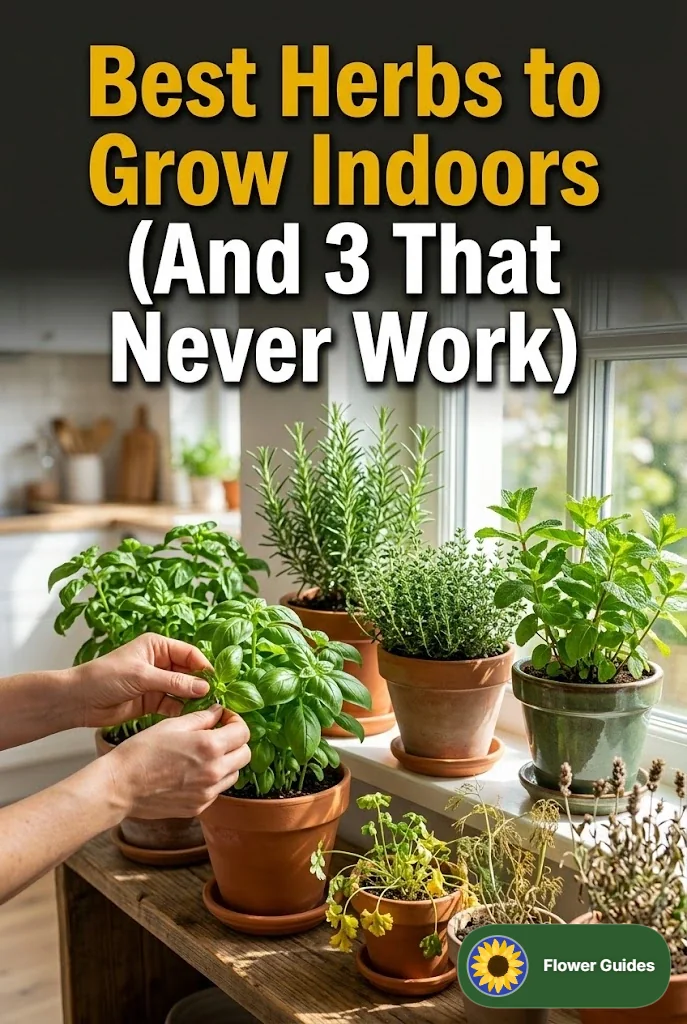
Growing herbs indoors can transform your cooking, add a fresh touch to your home, and provide a sense of accomplishment. However, not every herb thrives in the indoor environment. If you’ve ever tried to grow herbs and ended up with wilted leaves and sad plants, you’re not alone! Let’s explore the best herbs to cultivate indoors, along with a few that tend to disappoint.
Why Grow Herbs Indoors?
Indoor herb gardening comes with numerous benefits. You can enjoy fresh flavors right at your fingertips, improve air quality, and add greenery to your space. Plus, having fresh herbs handy can inspire creativity in your cooking. With the right conditions, many herbs flourish indoors, making it an accessible hobby for anyone.
Best Herbs to Grow Indoors
Here are some of the top herbs that are well-suited for indoor growing. Each of these herbs is relatively easy to care for and can thrive with a little attention.
1. Basil
Basil is a favorite among many home cooks. It loves warmth and bright light, making it perfect for a sunny windowsill. Regular pruning encourages bushier growth and more flavorful leaves.
- Light: 6-8 hours of direct sunlight daily.
- Water: Keep the soil moist but not soggy; water when the top inch feels dry.
- Tip: Pinch off flowers to promote leaf growth.
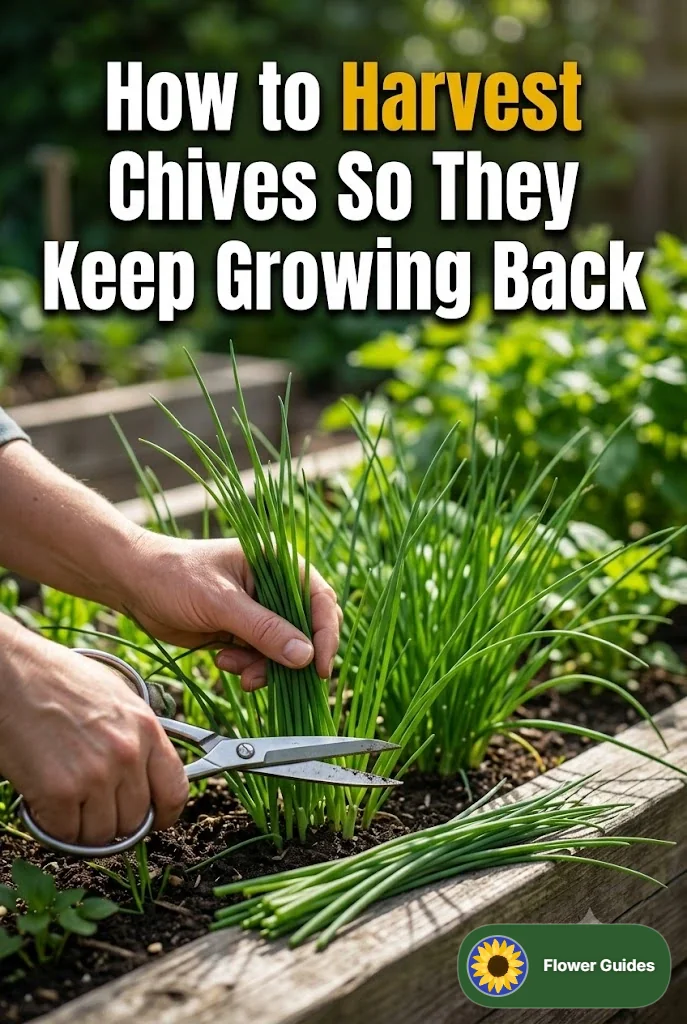
2. Chives
Chives are hardy and can tolerate lower light conditions compared to other herbs. Their mild onion flavor adds a delightful touch to salads and dishes.
- Light: 4-6 hours of indirect sunlight.
- Water: Water when the soil is dry to the touch.
- Tip: Regular trimming encourages new growth.
3. Mint
Mint is not only aromatic but also versatile in culinary uses. It can grow vigorously, so consider planting it in a separate pot to contain its growth.
- Light: Prefers bright, indirect light.
- Water: Keep the soil consistently moist.
- Tip: Mint benefits from occasional pruning to maintain flavor and prevent it from becoming leggy.
4. Parsley
Parsley is a nutritious addition to your indoor herb garden. It can thrive in various lighting conditions, making it a versatile choice.
- Light: 4-6 hours of direct sunlight.
- Water: Water when the top layer of soil feels dry.
- Tip: Regular harvesting promotes growth and keeps leaves fresh.
5. Thyme
Thyme is a hardy herb that can adapt well to indoor environments. It requires less water than other herbs, making it ideal for those who may forget to water regularly.
- Light: Full sun for at least 6 hours daily.
- Water: Allow the soil to dry out between waterings.
- Tip: Trim the stems to promote fuller growth.
3 Herbs That Never Work Indoors
While many herbs thrive indoors, some simply do not adapt well to the confined space. Here are three herbs that often disappoint indoor gardeners.
1. Cilantro
Cilantro is notorious for bolting quickly, especially in warm indoor environments. It requires specific conditions that are often difficult to replicate indoors.
- Reason: It prefers cooler temperatures and can rapidly flower if stressed.
- Tip: If you want to try growing it indoors, ensure it has cooler conditions and plenty of light.
2. Rosemary
While rosemary can thrive in gardens, it often struggles indoors due to humidity and light conditions that can lead to root rot and drooping leaves.
- Reason: It requires excellent drainage and consistent sunlight.
- Tip: If you must grow it indoors, use a pot with drainage holes and place it in a sunny spot.
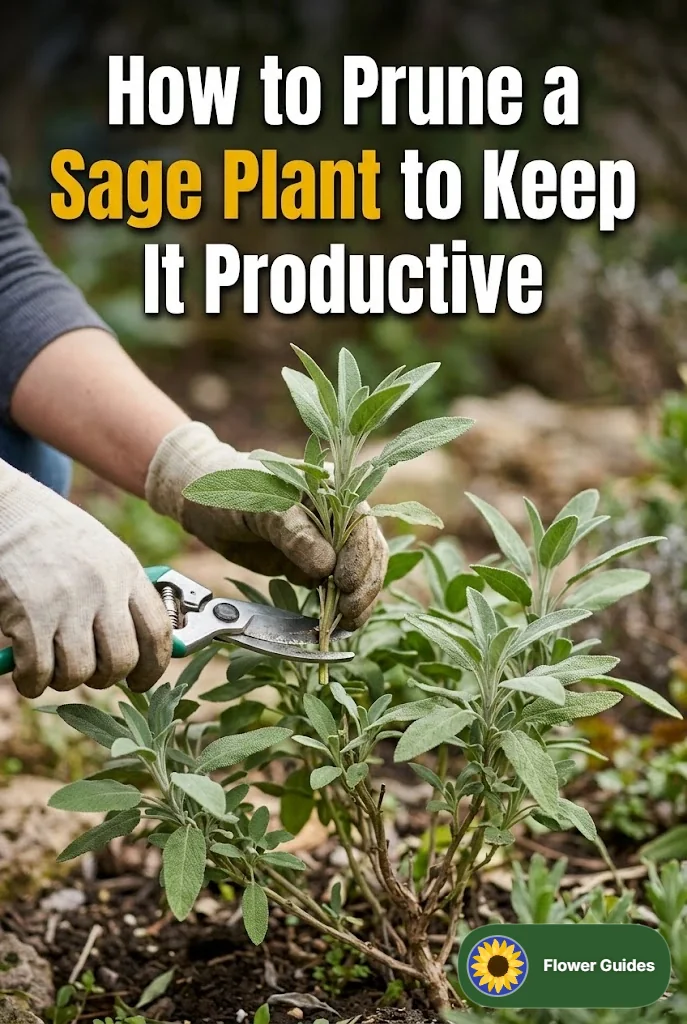
3. Sage
Sage can be a bit temperamental indoors as it prefers drier conditions and plenty of sunlight. It often doesn’t produce as well in limited light.
- Reason: It can develop mold in humid environments, leading to poor growth.
- Tip: If you’re set on growing sage, ensure it has the brightest possible light and allow the soil to dry out between waterings.
Expert Tips for Growing Herbs Indoors
Here are some insider tips to ensure your indoor herb garden flourishes:
- Choose the Right Pots: Ensure your pots have drainage holes to prevent waterlogging.
- Use Quality Soil: A good potting mix designed for herbs will help with drainage and nutrient retention.
- Rotate Your Plants: If they’re reaching for light, rotating them can promote even growth.
- Fertilize Sparingly: Use a balanced fertilizer every few weeks to promote healthy growth, but avoid over-fertilizing.
Common Questions About Indoor Herb Gardening
Can I grow herbs indoors year-round?
Yes, many herbs can thrive indoors throughout the year, provided they receive adequate light and care.
How much light do indoor herbs need?
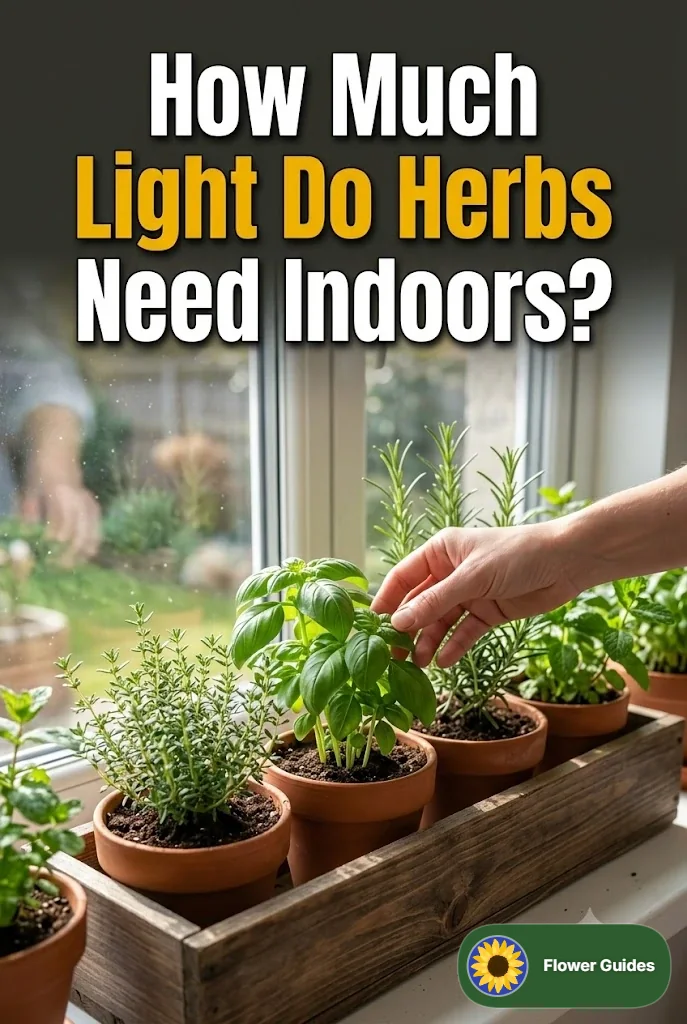
Most indoor herbs require 4-8 hours of sunlight daily, depending on the type. Supplemental grow lights can be beneficial during winter months.
What is the best way to water indoor herbs?
Water when the top inch of soil feels dry. Ensure your pots have drainage holes to prevent overwatering.
Conclusion
Creating an indoor herb garden is a rewarding endeavor that can enhance your cooking and your living space. By choosing the right herbs and understanding their needs, you can enjoy a thriving indoor garden. Remember to experiment, learn from your successes and failures, and most importantly, have fun growing your little green oasis!