How Much Light Do Herbs Need Indoors?
Growing herbs indoors can be a delightful and rewarding experience, but there’s one crucial element that can make or break your success: light. Understanding how much light your herbs need is essential for nurturing healthy plants that thrive in your home. Whether you’re a seasoned gardener or a beginner, this guide will help you navigate the light requirements for various herbs, ensuring your indoor garden flourishes.
Quick Answer
Most indoor herbs need between 6 to 12 hours of light daily. Place them near south-facing windows for optimal growth, or supplement with grow lights if natural light is insufficient.
Understanding Light Requirements
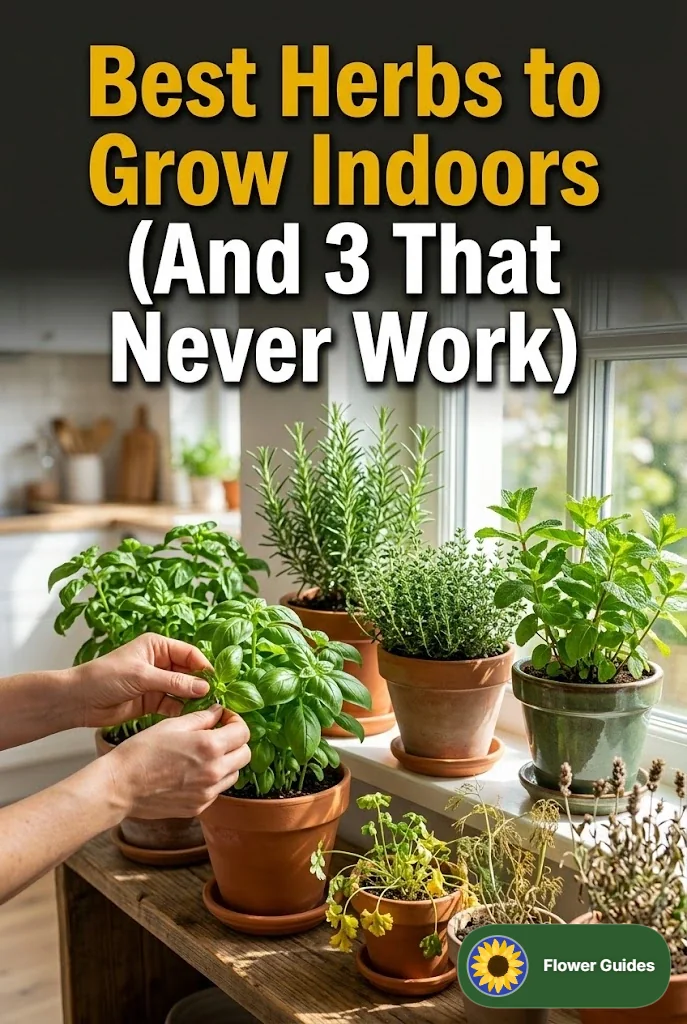
Herbs are generally classified by their light needs into three categories: low, medium, and high light requirements. Knowing where your herbs fall within this spectrum will help you provide the right conditions for growth.
Low Light Herbs
These herbs thrive in indirect light and can tolerate lower light levels. Ideal for beginners or those with limited sunlight, low light herbs include:
- Mint: Prefers indirect sunlight but can adapt to lower light conditions.
- Chives: Enjoys partial shade and can thrive indoors.
- Parsley: Grows well in moderate light but can tolerate lower levels.
Medium Light Herbs
Medium light herbs require more direct sunlight than low light varieties but can still adapt to some shade. These include:
- Basil: Needs about 6-8 hours of light, ideally with some direct sunlight.
- Cilantro: Enjoys bright, indirect light but can handle some direct sun.
- Tarragon: Prefers moderate light but can tolerate some lower light conditions.
High Light Herbs
High light herbs need plenty of direct sunlight to thrive. They are perfect for sunny spots in your home or under grow lights. Examples include:
- Thyme: Requires full sun for at least 8-10 hours a day.
- Oregano: Needs bright, direct sunlight for optimal growth.
- Rosemary: Thrives in strong light, ideally 10-12 hours per day.
Optimal Light Conditions
To ensure your herbs receive the right amount of light, consider the following tips:
Natural Light Sources
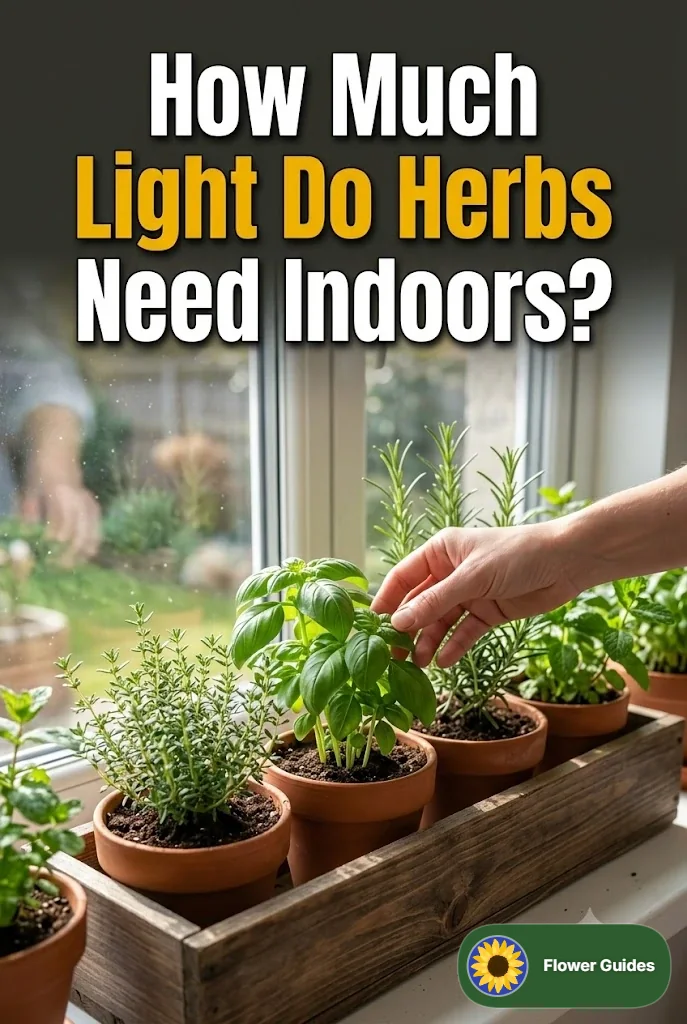
- Window Placement: South-facing windows provide the most sunlight. East-facing windows capture morning light, while west-facing windows offer strong afternoon sun.
- Rotation: Rotate your plants every week to ensure even growth and prevent them from leaning toward the light.
Supplementing with Grow Lights
If natural light is insufficient, grow lights can be a fantastic alternative. Consider these options:
- LED Grow Lights: Energy-efficient and long-lasting, they emit the full spectrum of light needed for plant growth.
- Fluorescent Lights: These are cost-effective and work well for herb gardens, especially the T5 models.
Signs of Insufficient Light
Recognizing the signs of insufficient light can help you make necessary adjustments quickly. Look out for:
- Leggy Growth: Plants stretching towards the light source indicate they need more light.
- Pale Leaves: A lack of chlorophyll can result in light green or yellow leaves.
- Slow Growth: If your herbs seem to be stunted, they may not be receiving adequate light.
Common Mistakes to Avoid
Even seasoned gardeners can make mistakes when it comes to lighting. Here are some pitfalls to avoid:
- Overexposure: Be cautious of placing your herbs in direct sunlight all day; it can lead to scorched leaves.
- Neglecting to Monitor: Regularly check on your herbs. Changes in the seasons can affect light availability.
- Ignoring Light Quality: Not all light is created equal. Ensure your herbs receive full-spectrum light for optimal growth.
Expert Tips for Thriving Indoor Herbs
Here are some insider tips to elevate your indoor herb gardening:
- Use Reflective Surfaces: Position your plants near reflective surfaces like mirrors or white walls to maximize light exposure.
- Maintain Temperature: Keep your herbs in a warm environment, ideally between 65°F to 75°F, to promote growth alongside proper lighting.
- Monitor Humidity: Indoor air can be dry, especially during winter. Using a humidifier can help your herbs thrive.
Frequently Asked Questions (FAQ)
1. How often should I rotate my indoor herbs?
Rotate your indoor herbs weekly to ensure even growth and prevent them from leaning toward the light source.
2. Can I grow herbs without natural light?
Yes, you can use grow lights to provide the necessary light spectrum for your herbs, mimicking natural sunlight.
3. What type of grow light is best for herbs?
LED grow lights are highly recommended due to their energy efficiency and full-spectrum capabilities.
4. How do I know if my herbs are getting enough light?
Look for healthy, vibrant leaves and sturdy growth. Signs of insufficient light include leggy growth and pale leaves.
5. Can herbs survive in low-light conditions?
Some herbs, like mint and chives, can tolerate low light, but most will thrive with more light exposure.
Conclusion
Understanding the light needs of your indoor herbs is key to growing a successful indoor garden. By providing the right amount of light, you can enjoy fresh herbs all year round. Whether you decide to place them by a sunny window or invest in grow lights, your efforts will surely yield delicious results. Happy gardening!