Should You Cut Back Coneflowers in Fall or Leave Them?
If you adore the vibrant blooms of coneflowers in your garden, you may be wondering about the best way to care for them as the seasons change. Should you cut them back in the fall, or is it better to let them stand through the winter? This question plagues many gardeners, as the decision can impact the health of your plants and the beauty of your garden. Let’s dive into the pros and cons of cutting back coneflowers in the fall, and discover the best practices for keeping these perennial favorites thriving.
Quick Answer
It’s generally advisable to leave coneflowers standing through the winter. This allows for seed dispersal, provides winter interest, and offers shelter for wildlife. However, cutting them back in the fall can be beneficial in certain conditions, especially if your garden is prone to disease. Consider your specific situation before making a decision.
Understanding Coneflowers
Coneflowers, or Echinacea, are beloved for their resilience, beauty, and ability to attract pollinators. These hardy perennials thrive in various conditions and can be found in many gardens across North America. Understanding their growth cycle and natural habitat can help you make informed decisions about their care.
Growth Cycle of Coneflowers
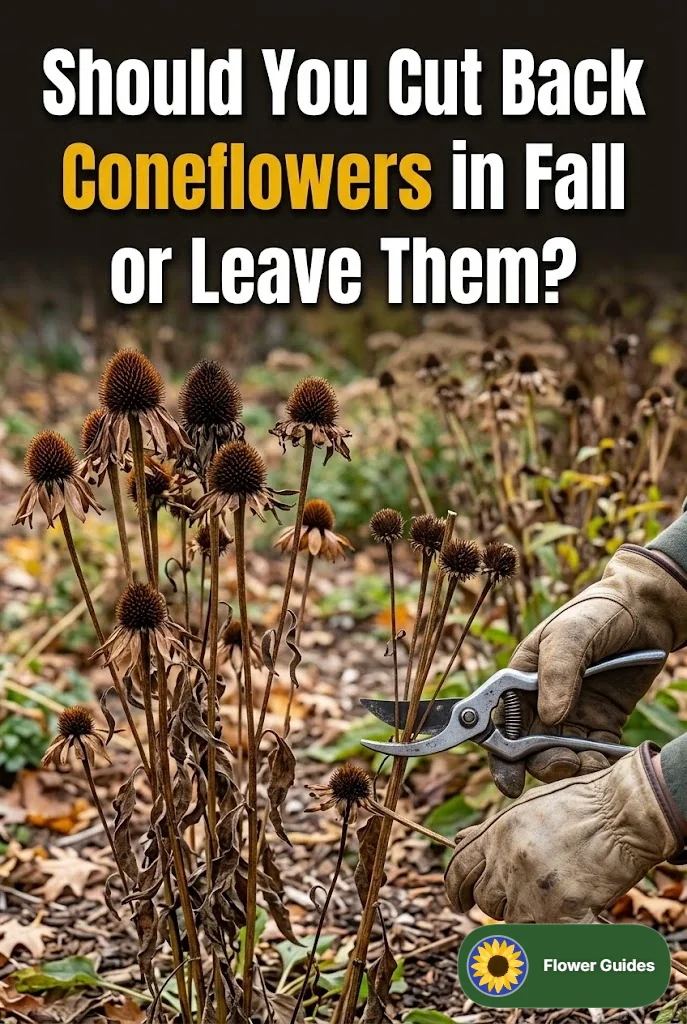
Coneflowers bloom from late spring to early fall, showcasing their stunning daisy-like flowers. After flowering, they produce seed heads that can remain through winter. These seed heads not only provide a source of food for birds but also contribute to the garden’s aesthetic during the colder months.
Benefits of Leaving Coneflowers Standing
Choosing to leave your coneflowers intact throughout the fall and winter has several advantages:
- Wildlife Support: The seed heads attract birds, offering a natural food source during the harsh winter months.
- Visual Interest: The dried stems and seed heads add texture and beauty to your winter landscape, enhancing the garden’s overall appearance.
- Natural Protection: Coneflowers provide a protective barrier for the roots, helping to insulate them against freezing temperatures.
- Seed Dispersal: Allowing the flowers to go to seed enables new plants to grow in the following year, promoting a self-sustaining garden.
When to Consider Cutting Back Coneflowers
While there are many benefits to leaving coneflowers standing, certain situations may warrant cutting them back:
- Pest or Disease Issues: If your plants show signs of disease or pest infestations, cutting them back can help prevent the spread, keeping the rest of your garden healthy.
- Aesthetic Preferences: If you prefer a tidier garden or want to prepare your space for winter, cutting back coneflowers may align with your gardening style.
- Overcrowding: In cases where coneflowers have become too crowded, pruning them back can promote better growth and airflow for the remaining plants.
How to Cut Back Coneflowers
If you decide that cutting back your coneflowers is the best course of action, follow these steps for effective pruning:
1. Timing is Key
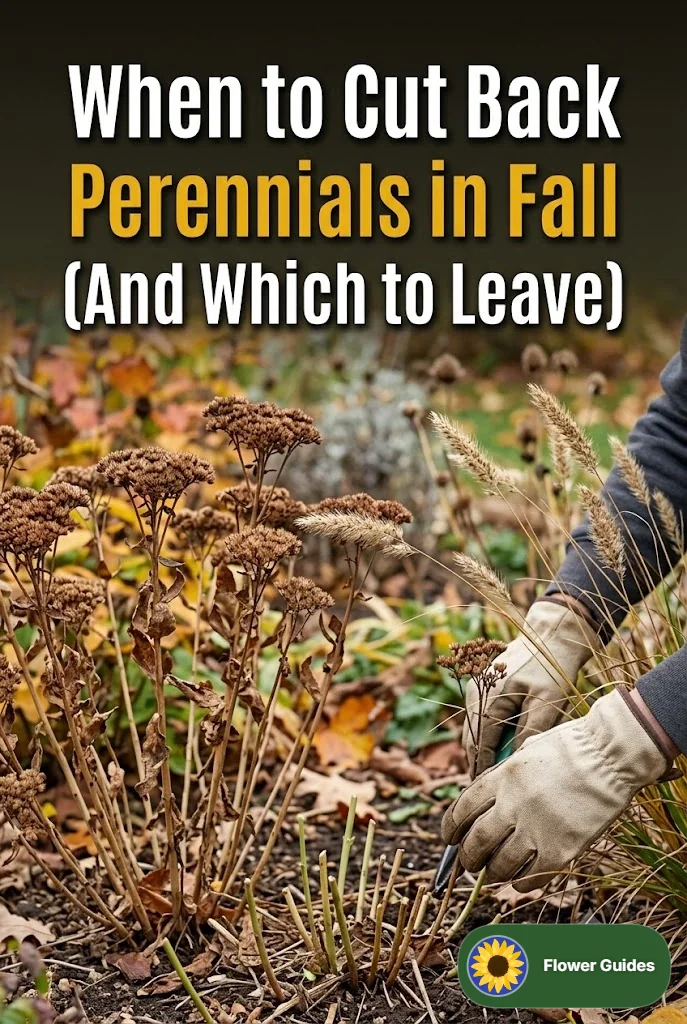
Wait until after the first frost to cut back your coneflowers, as this ensures that the plants have finished their blooming cycle. This timing also helps to protect the roots from potential damage.
2. Use Clean Tools
Always use sharp, clean pruning shears to prevent any potential disease transmission. Disinfecting your tools before use is a good practice.
3. Cut Back to the Ground
When pruning, cut the stems back to about 2-3 inches above the ground. This encourages new growth in the spring while allowing for a neat appearance.
Pinterest-Style Ideas for Your Garden
Looking to enhance your garden with coneflowers? Here are some visually appealing ideas:
- Mix with Grasses: Pair coneflowers with ornamental grasses for a stunning contrast of textures.
- Color Combinations: Plant different varieties of coneflowers for a vibrant color palette that blooms throughout the summer.
- Garden Borders: Use coneflowers to create natural borders around pathways or flower beds.
- Wildlife Gardens: Incorporate them into a wildlife-friendly garden design to attract pollinators and birds.
Expert Tips for Coneflower Care
To keep your coneflowers healthy and thriving, consider these expert tips:
- Water Wisely: Water your coneflowers deeply but infrequently to promote deep root growth.
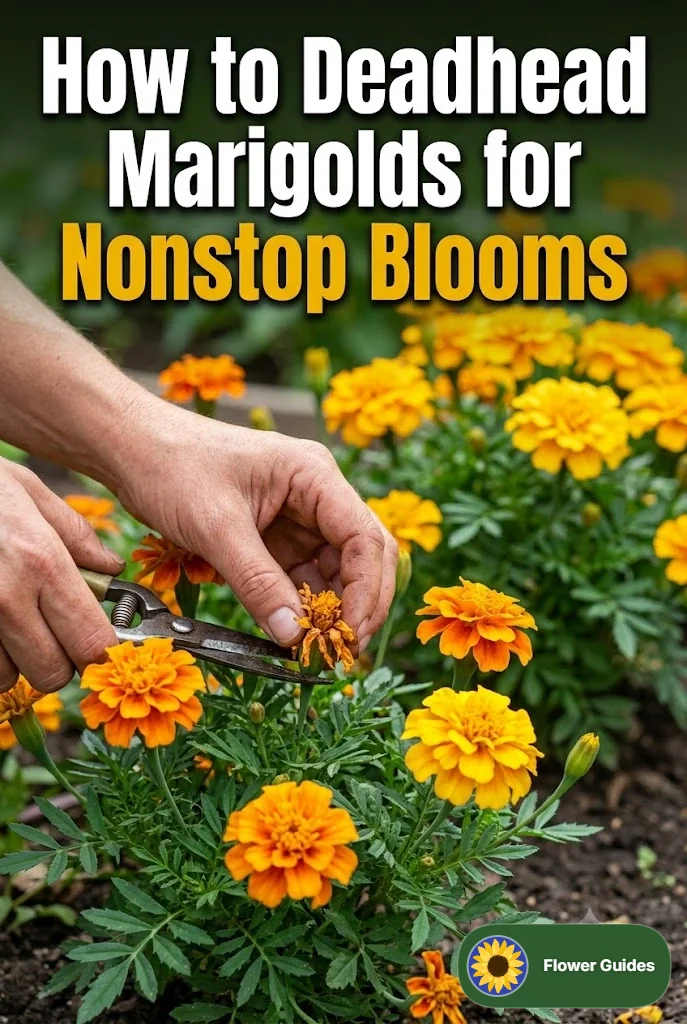
- Deadheading: Remove spent blooms throughout the growing season to encourage more flowers and prolong blooming.
- Fertilization: Use a balanced fertilizer in early spring to support vigorous growth.
- Dividing Plants: Every three to four years, consider dividing your coneflowers to prevent overcrowding and encourage stronger growth.
Common Questions About Coneflowers
1. Can I cut back coneflowers in spring instead of fall?
Yes, you can cut them back in early spring before new growth begins, but this may sacrifice some winter interest and seed dispersal.
2. Will cutting back coneflowers affect their blooming?
No, cutting back in the fall or early spring will not negatively impact their blooming cycle; they will still produce flowers in the summer.
3. How do I prevent disease in coneflowers?
Ensure proper spacing for airflow, avoid overhead watering, and remove any dead or diseased plant material promptly to prevent disease.
Conclusion
Deciding whether to cut back coneflowers in the fall ultimately depends on your gardening goals and the specific conditions of your garden. While leaving them standing can enhance beauty, provide wildlife support, and promote natural growth, cutting them back may be necessary in certain circumstances. By understanding your plants and their needs, you can make the best choice for a flourishing garden year after year. Happy gardening!