When to Plant Zinnia Seeds for the Longest Bloom Season
Are you dreaming of a vibrant flower garden filled with the cheerful colors of zinnias? These hardy annuals are not only easy to grow but also reward gardeners with a long blooming season when planted at the right time. Knowing when to sow zinnia seeds can make all the difference between a patch of green and a stunning display of blossoms. Let’s dive into the best practices for planting zinnias to maximize their bloom season and keep your garden alive with color from late spring through the fall.
Quick Answer
For the longest bloom season, plant zinnia seeds directly in the garden after the last frost date in your area, typically between late spring to early summer. Zinnias thrive in warm soil and will provide vibrant blooms from mid-summer until the first frost.
Understanding Zinnia Growth Habits
Zinnias are native to Mexico and are known for their resilience and ability to thrive in various conditions. Here are some key growth habits to consider:
- Sunlight: Zinnias love full sun, requiring at least 6 to 8 hours of direct sunlight each day.
- Soil: They prefer well-drained, moderately fertile soil. Avoid overly rich soil, which may promote foliage over blooms.
- Water: Regular watering is essential, especially during dry spells, but ensure good drainage to prevent root rot.
Optimal Planting Times
Timing is everything when it comes to planting zinnias. Follow these guidelines to ensure your zinnias thrive:
1. Know Your Frost Dates
Before planting, familiarize yourself with your area’s last frost date. Zinnias are sensitive to cold and should be planted only after this date has passed. Generally, this occurs:
- In the southern U.S., around late March to early April
- In the northern U.S., from late May to early June
2. Soil Temperature
For optimal germination, zinnia seeds prefer soil temperatures between 70°F and 75°F (21°C to 24°C). You can use a soil thermometer to check the temperature before sowing. If the soil is still cool, consider starting seeds indoors.
3. Starting Seeds Indoors
If you want to get a jump start on the season, sow zinnia seeds indoors about 4 to 6 weeks before the last expected frost date. Use seed-starting trays with a light soil mix. Place them in a warm, sunny location or under grow lights.
Direct Seeding vs. Transplanting
You have two main options for getting zinnias into your garden: direct seeding or transplanting. Both methods have their advantages.
Direct Seeding
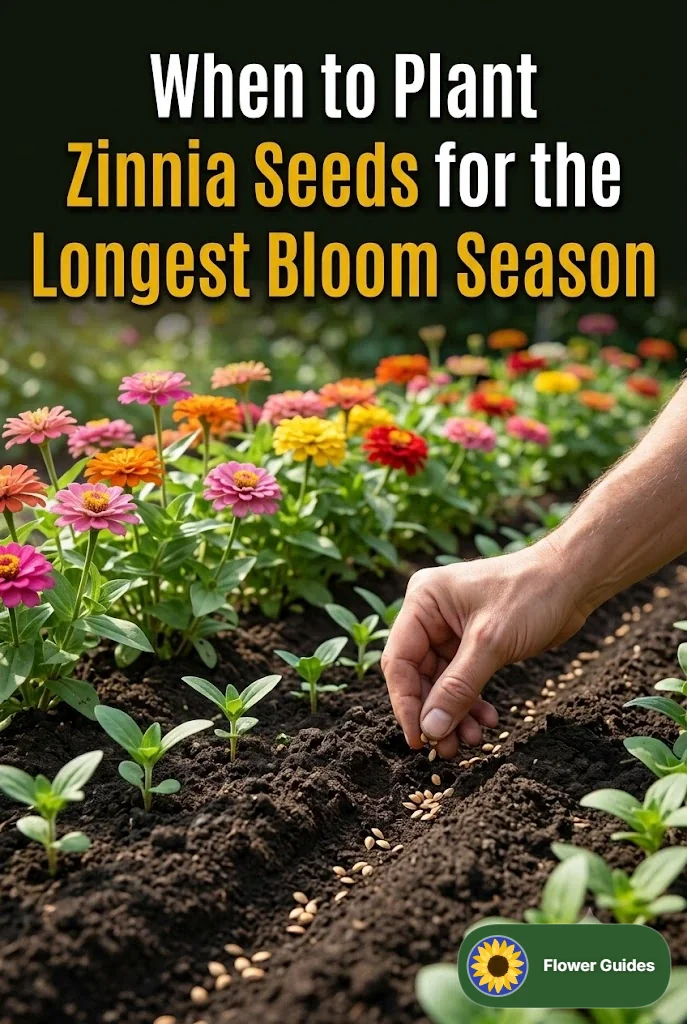
Directly sowing seeds into the garden is the simplest method. Follow these steps:
- Prepare your garden bed by removing weeds and loosening the soil.
- Create shallow furrows and space seeds about 12 inches apart.
- Cover lightly with soil and water gently.
This method allows zinnias to establish themselves directly in the soil, leading to healthier plants.
Transplanting Seedlings
If you started seeds indoors, follow these steps for successful transplanting:
- Harden off your seedlings by gradually exposing them to outdoor conditions for about a week.
- Choose a cloudy day or late afternoon to transplant to reduce shock.
- Dig holes in your prepared garden bed, spacing them about 12 inches apart, and gently place the seedlings in the holes.
- Water well after planting.
Extending the Bloom Season
To enjoy zinnias from summer through fall, consider these tips:
1. Succession Planting
To ensure continuous blooms, practice succession planting. Sow seeds every 2-3 weeks until mid-summer. This staggered approach will keep your garden looking vibrant throughout the growing season.
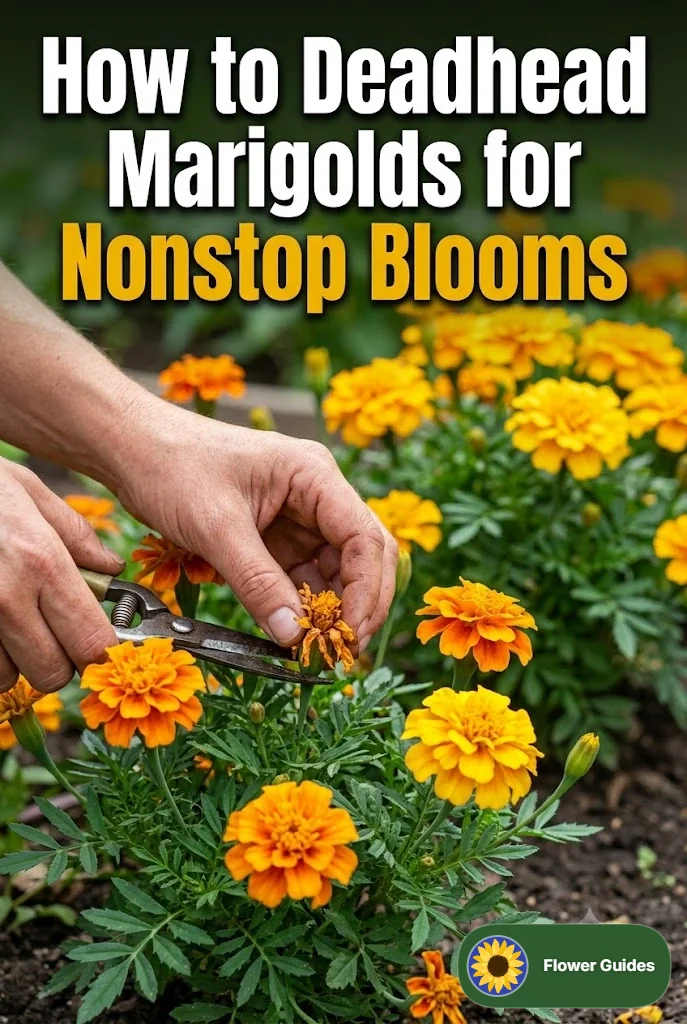
2. Deadheading
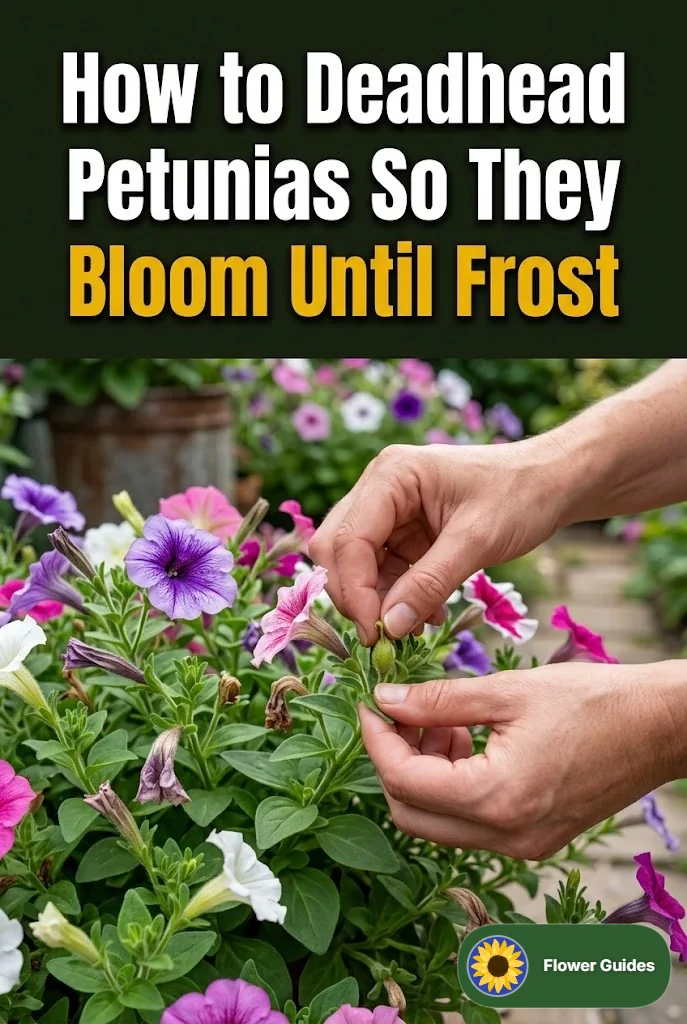
Regularly removing spent blooms, known as deadheading, encourages zinnias to produce new flowers. Simply pinch or snip off the faded blooms at the base of the flower stem.
3. Fertilization
Fertilize with a balanced fertilizer every 4-6 weeks to promote healthy growth and blooming. Avoid high-nitrogen fertilizers, as they can lead to lush foliage but fewer flowers.
Pinterest-Style Ideas for Zinnia Arrangements
Looking to showcase your zinnias in unique ways? Here are some ideas to inspire your garden design:
- Color Blocks: Plant zinnias in blocks of similar colors for a bold impact.
- Mixed Borders: Combine zinnias with other annuals like marigolds and cosmos for a lively border.
- Cutting Garden: Designate a section of your garden as a cutting area to create beautiful bouquets throughout the season.
Expert Tips for Growing Zinnias
Here are some insider tips to elevate your zinnia gardening game:
- Choose Varieties Wisely: Opt for a mix of varieties, including tall and dwarf types, for visual interest.
- Pest Management: Keep an eye out for common pests like aphids and spider mites. Introduce beneficial insects like ladybugs to help control them.
- Mulching: Apply a layer of mulch around your plants to retain moisture and suppress weeds.
Common Questions About Zinnia Planting
1. How far apart should zinnia seeds be planted?
Space zinnia seeds about 12 inches apart to allow for proper air circulation and growth.
2. Can zinnias grow in partial shade?
Zinnias prefer full sun but can tolerate partial shade. However, blooms may be less abundant in shadier conditions.
3. When will my zinnias start blooming?
Zinnias typically begin to bloom 60 to 70 days after planting, depending on the variety.
Conclusion
Growing zinnias can transform your garden into a colorful paradise. By planting at the right time and following best practices for care, you’ll enjoy a stunning display from summer into fall. So, gather your seeds, prepare your soil, and get ready to watch your garden flourish with the joyful blooms of zinnias!