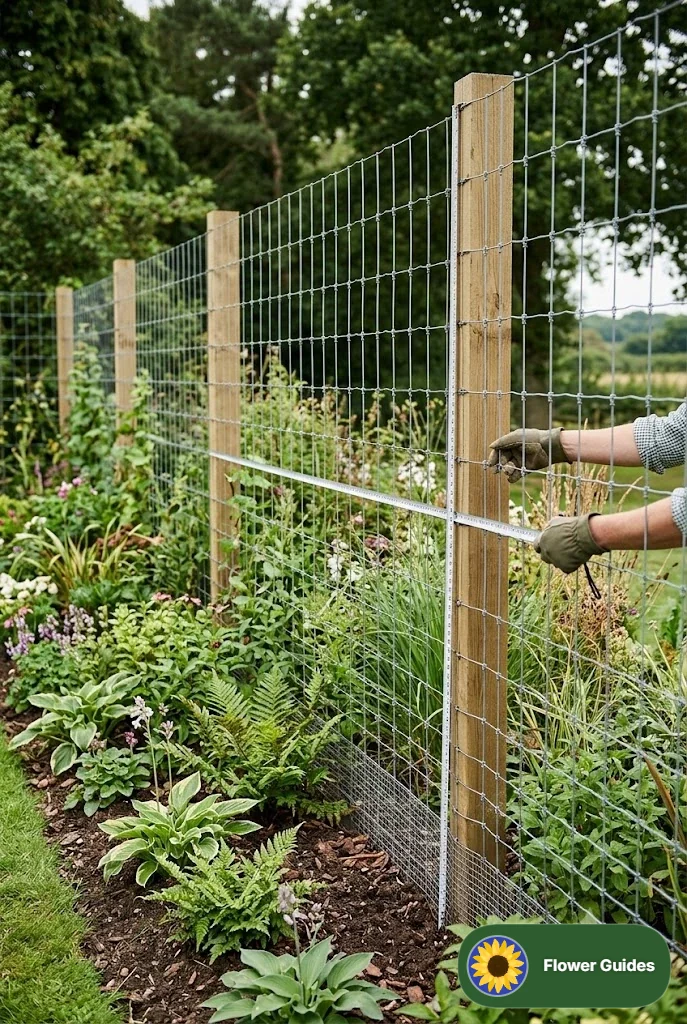
How Tall Does a Deer Fence Need to Be to Actually Stop Them?
Deer can be charming creatures in the wild, but when they invade your garden, they can quickly become a nightmare. If you’ve ever spent hours nurturing your plants only to find them nibbled down to stubs, you know the frustration all too well. The good news is that an effective deer fence can help protect your garden from these hungry visitors. However, the question remains: how tall does a deer fence need to be to actually stop them? Let’s dig into this topic to ensure your garden remains safe and sound.
Quick Answer
A deer fence should be at least 8 feet tall to effectively deter deer from jumping over. For added effectiveness, consider using fencing materials that make it difficult for deer to see the top, as this can discourage them from attempting to leap.
Understanding Deer Behavior
To effectively deter deer, it’s essential to understand their behavior and capabilities. Deer are agile animals that can leap high and far when they feel threatened or are searching for food. Here are some key points to consider:
- Jumping Ability: Adult deer can jump up to 8 feet high, but they typically prefer to jump lower barriers when they feel safe.
- Curiosity: Deer are naturally curious animals. They may approach a fence to investigate, so visibility plays a role in their willingness to jump.
- Feeding Patterns: If there’s a food source on the other side of the fence, deer are more likely to attempt to jump.
Choosing the Right Height
When considering how tall your deer fence should be, aim for a minimum height of 8 feet. However, there are several factors that can influence the effectiveness of your fence height:
1. Type of Deer
Different species of deer may have varying jumping abilities. For instance, white-tailed deer, common in North America, are known for their impressive jumping skills. If you live in an area with larger deer species, consider a taller fence.
2. Fence Material
The material used for your fence can play a significant role in its effectiveness:
- Wire Fencing: Strong, rigid wire fencing can be very effective. Use high-tensile wire to prevent bending or breaking.
- Wood Fencing: A solid wooden fence can deter deer but should be tall enough to prevent jumping.
- Mesh Fencing: While easier to install, mesh fencing may require additional height or reinforcement to be fully effective.
3. Visual Barriers
Incorporating visual barriers can also help:
- Opaque Materials: Use materials that block deer’s view of the other side of the fence. This can reduce their inclination to jump.
- Top Extensions: Adding angled extensions at the top of the fence can further deter deer from attempting to leap over.
Designing an Effective Deer Fence
Besides the height, the design of the fence is crucial for keeping deer out. Here are some effective design strategies:
1. Slanted Fencing
Building a fence that leans outward at the top can prevent deer from jumping over. A 45-degree angle can make it harder for them to scale the fence.
2. Double Fencing
Consider creating a double fence system. The inner fence should be at least 4 to 6 feet tall, with the outer fence at the recommended height. This creates a barrier that is more challenging for deer to navigate.
3. Electric Fencing
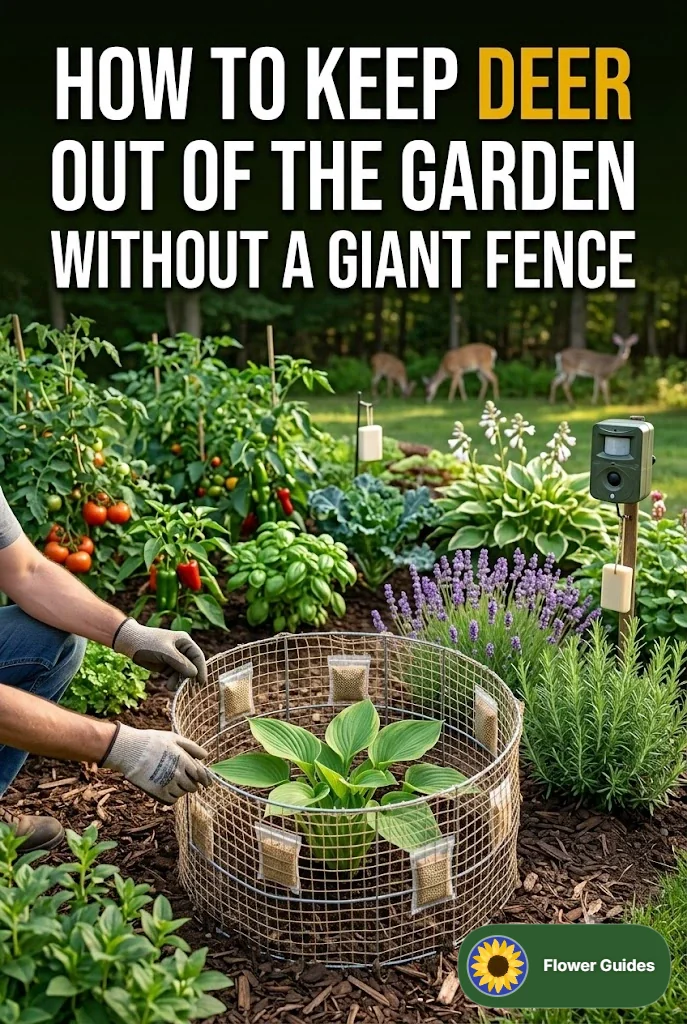
For those looking for a more high-tech solution, electric fencing can be effective. A single strand of electric wire at about 36 inches can deter deer when combined with a taller barrier.
Pinterest-Style Ideas for Deer Fencing
Creating a deer-proof garden doesn’t have to compromise aesthetics. Here are some visually appealing ideas for your deer fence:
- Rustic Wooden Fence: Use reclaimed wood to build a charming, tall fence that blends with nature.
- Living Fences: Plant thorny or dense shrubs along your fence line for an organic barrier.
- Artistic Metal Fencing: Consider decorative metal panels that provide both height and style.
- Colorful Garden Gates: Incorporate colorful gates that serve as a focal point while providing an entryway.
Expert Tips for Deer Fencing
Here are some insider tips to enhance your deer fencing:
- Regular Maintenance: Inspect your fence regularly for any damage or weaknesses that deer could exploit.
- Use Natural Deterrents: Consider planting deer-repellent plants such as lavender or marigolds near the fence to reduce their attraction to your garden.
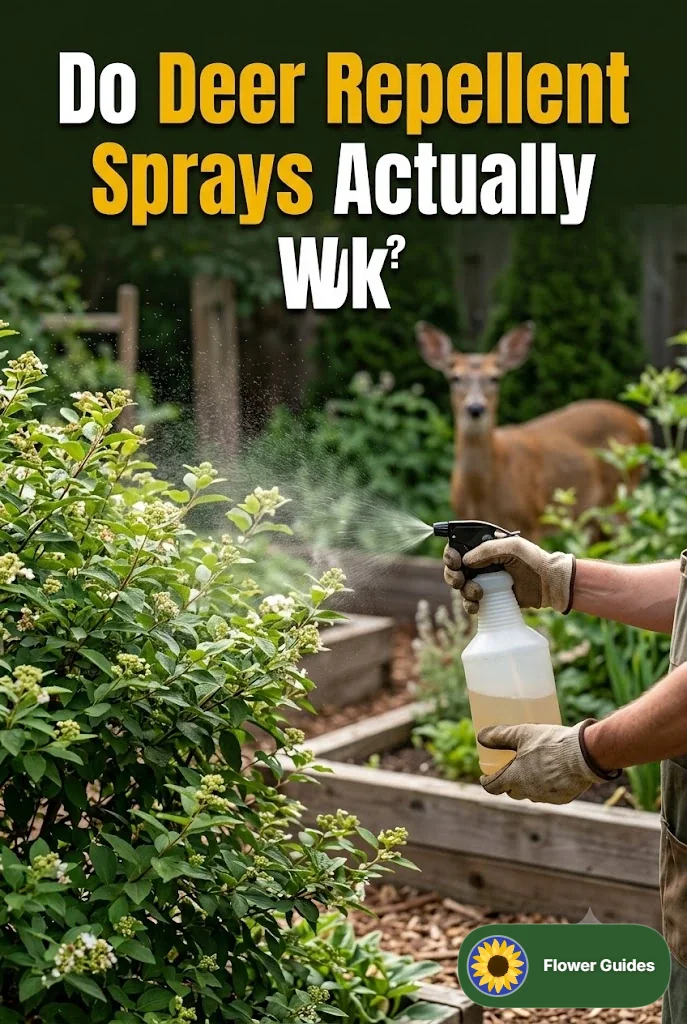
- Incorporate Scents: Use natural repellents, like human hair or soap shavings, near the fence to deter deer.
Common Questions about Deer Fencing
1. How deep should a deer fence be buried?
To prevent deer from digging under, it’s advisable to bury the bottom of your fence at least 12 inches deep.
2. Can a 6-foot fence stop deer?
A 6-foot fence may slow down deer but is not always effective. Aim for at least 8 feet for better results.
3. What is the best material for deer fencing?
High-tensile wire and solid wood are among the best materials for deer fencing due to their strength and durability.
Conclusion
Creating a deer-proof garden is achievable with the right planning and execution. By focusing on a fence height of at least 8 feet, utilizing effective materials, and considering visual barriers, you can protect your cherished plants from these crafty foragers. Remember to maintain your fence regularly and incorporate additional deterrents for the best results. Your garden deserves to thrive without the threat of hungry deer!