How to Keep Deer Out of the Garden Without a Giant Fence
Deer can be a beautiful sight in nature, but when they start munching on your garden, they quickly become unwelcome visitors. If you’ve ever found your prized plants nibbled down to stubs, you know the frustration of keeping these gentle creatures at bay. Fortunately, you don’t need to invest in a giant, unsightly fence to protect your garden. There are many effective, creative, and non-invasive ways to deter deer while still keeping your outdoor space inviting and beautiful.
Quick Answer
To keep deer out of your garden without a giant fence, consider using natural repellents, planting deer-resistant plants, employing physical barriers, and creating an unwelcoming environment. Combining these strategies can effectively protect your plants while maintaining the aesthetic of your garden.
Understanding Deer Behavior
Before diving into solutions, it’s beneficial to understand why deer are drawn to your garden in the first place. Deer are opportunistic feeders, drawn to areas that provide easy access to food. They tend to favor certain plants, especially tender leaves, fruits, and vegetables. Knowing what attracts deer helps you strategize in keeping them away.
Recognizing Attractants
- Tender greens: Lettuce, spinach, and young vegetable plants.
- Fruits: Tomatoes, strawberries, and other ripening fruits.
- Flowers: Many annuals and perennials, especially those with soft foliage.
Natural Repellents
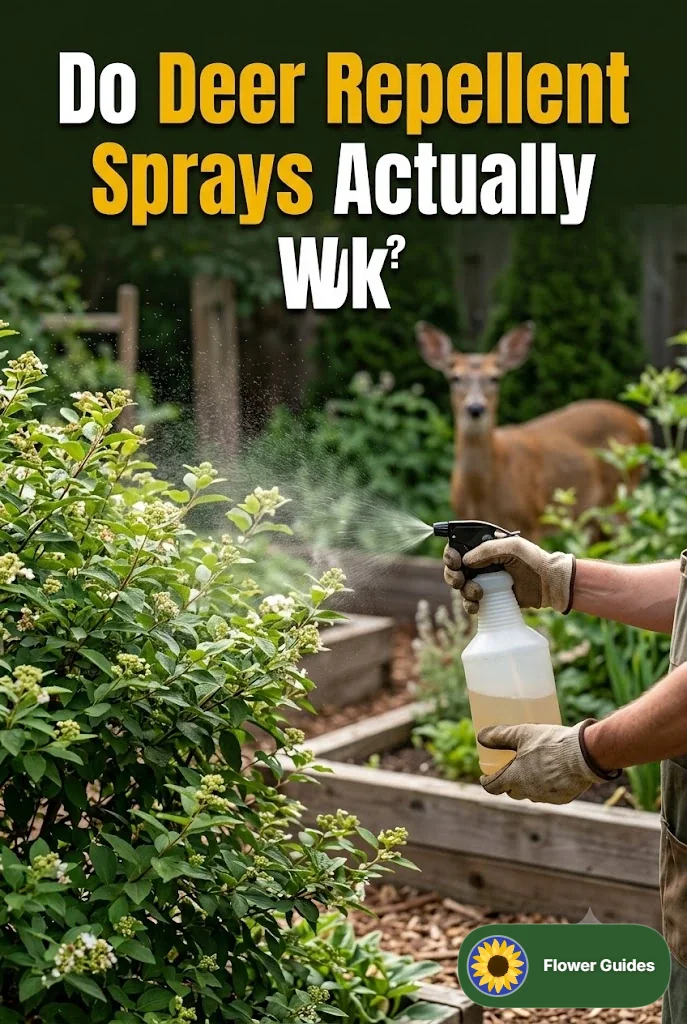
Using natural deer repellents can be an effective first line of defense. These methods rely on scents and tastes that deer find unpleasant.
Homemade Deer Repellent Recipes
- Soap and Water: Grate a bar of strong-smelling soap (like Irish Spring) and mix it with water. Spray this mixture on your plants to deter deer.
- Garlic and Chili Pepper Spray: Blend garlic cloves, chili peppers, and water, then strain the mixture. Spray it on your plants to create a spicy barrier.
- Egg and Water Mixture: Beat a few eggs with water and spray it around the garden. The smell will repel deer but won’t harm your plants.
Commercial Deer Repellents
If DIY isn’t your style, you can find commercial repellents that are often made from predator urine or strong-smelling substances. Look for ones labeled as safe for gardens and reapply as needed, especially after rain.
Physical Barriers
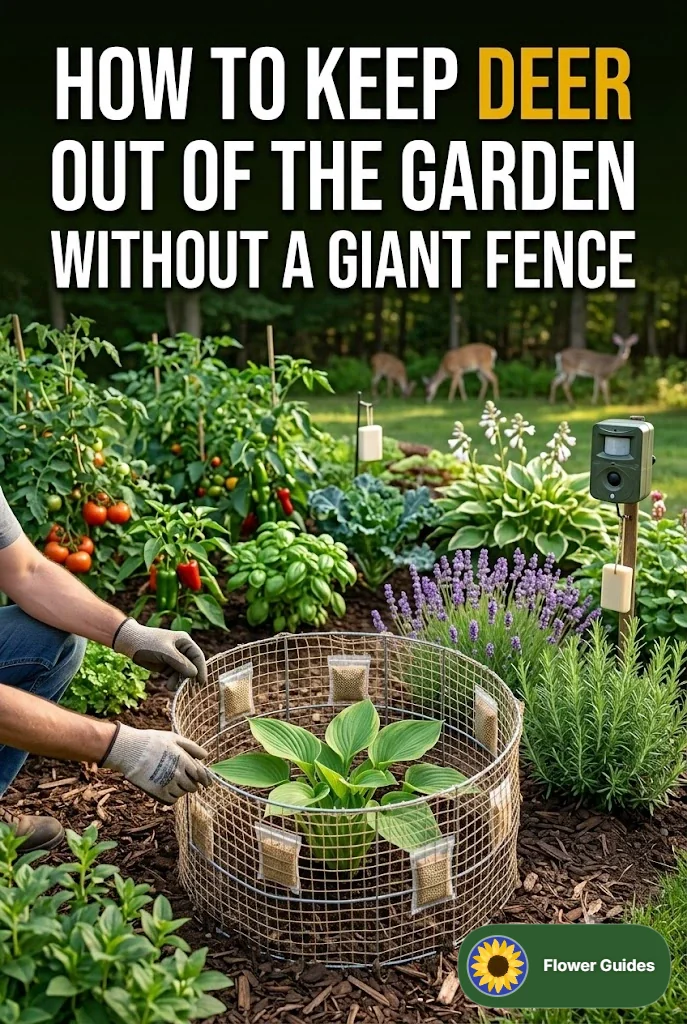
While a giant fence may not be necessary, there are several more manageable physical barriers you can use to keep deer away.
Netting and Fencing Options
- Garden Netting: Lightweight and easy to install, garden netting can be draped over plants to prevent deer access.
- Tomato Cages: These can be repurposed to protect smaller plants by placing them around the base of your vegetables or flowers.
- Low Fencing: A short fence (3-4 feet tall) made of wire or wood can be sufficient, as deer prefer to jump over higher obstacles.
Strategic Planting
Another effective method is to plant deer-resistant varieties. While no plant is completely deer-proof, many are less appealing to these animals.
Examples of Deer-Resistant Plants
- Lavender: The strong scent deters deer while adding beauty to your garden.
- Marigolds: Their pungent odor is unappealing to deer and many pests.
- Thyme: This herb is not only useful in the kitchen but also less likely to attract deer.
Creating an Unwelcoming Environment
Deer are less likely to visit areas that feel dangerous or uncomfortable. Here are some strategies to make your garden less inviting.
Noise and Movement
- Wind Chimes: The sound of wind chimes can startle deer and keep them away.
- Motion-Activated Sprinklers: These will surprise deer with a burst of water, deterring them from returning.
- Scare Tactics: Use reflective tape, old CDs, or aluminum foil to create movement and noise that can scare deer away.
Companion Planting
Integrating certain plants can also help. For example, planting strong-smelling herbs or flowers near your most vulnerable plants can mask their scent and deter deer.
Expert Tips
Here are a few insider tips to enhance your garden’s defenses:
- Rotate your Repellents: Deer can become accustomed to certain smells, so change up your repellents regularly.
- Regular Maintenance: Keep your garden tidy. Overgrown areas can attract deer, providing them with cover and easy access to food.
- Encourage Predators: If possible, encourage natural predators like dogs or even human activity in your garden area to keep deer at bay.
Common Questions (FAQ)
What plants do deer avoid?
Deer tend to avoid strong-smelling herbs, thorny plants, and those with fuzzy or leathery leaves. Examples include lavender, rosemary, and barberry.
How often should I reapply deer repellents?
Reapply deer repellents every 1-2 weeks or after significant rainfall to maintain their effectiveness.
Can I use human hair to deter deer?
Yes, some gardeners find that spreading human hair around the garden can act as a deterrent, as the scent of humans signals danger to deer.
Conclusion
Keeping deer out of your garden without a giant fence is entirely feasible with a mix of creativity and strategy. By utilizing natural repellents, planting deer-resistant varieties, and creating an unwelcoming environment, you can enjoy your garden without the stress of deer damage. With a little experimentation and persistence, you’ll find the perfect combination that works for your space. Happy gardening!