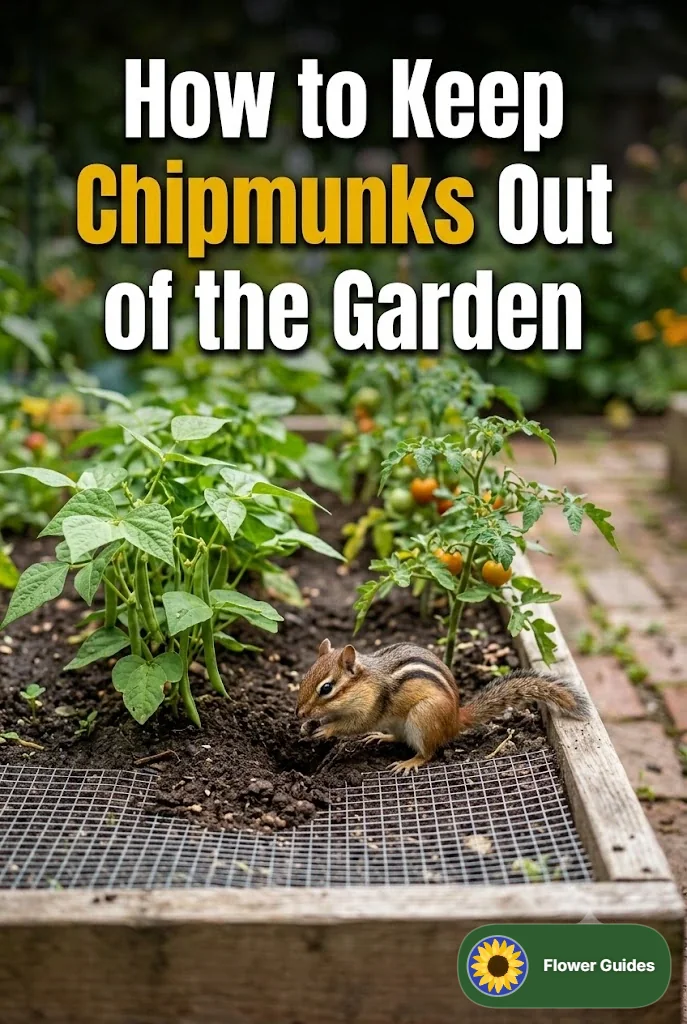
How to Keep Chipmunks Out of the Garden
Chipmunks can be adorable little creatures, but when they invade your garden, they can turn into a significant nuisance. Their penchant for digging up bulbs, munching on fruits and vegetables, and hoarding seeds can leave your garden in disarray. If you’re facing this challenge, you’re not alone! Thankfully, there are numerous effective strategies to keep these furry intruders at bay, ensuring your garden remains a thriving paradise for plants and produce.
Quick Answer
To keep chipmunks out of your garden, use a combination of physical barriers, natural repellents, and habitat modifications. Effective methods include fencing, using deterrent plants, and employing traps or humane deterrents to prevent these critters from causing damage.
Understanding Chipmunk Behavior
Before diving into solutions, it’s essential to understand chipmunk behavior. These small rodents are active during the day and typically seek food and shelter in gardens. They are attracted to areas with easy access to food sources, such as seeds, fruits, and vegetables. Recognizing what draws them to your garden can help you implement effective prevention strategies.
Identifying Chipmunk Damage
Chipmunks can cause a variety of issues in your garden, including:
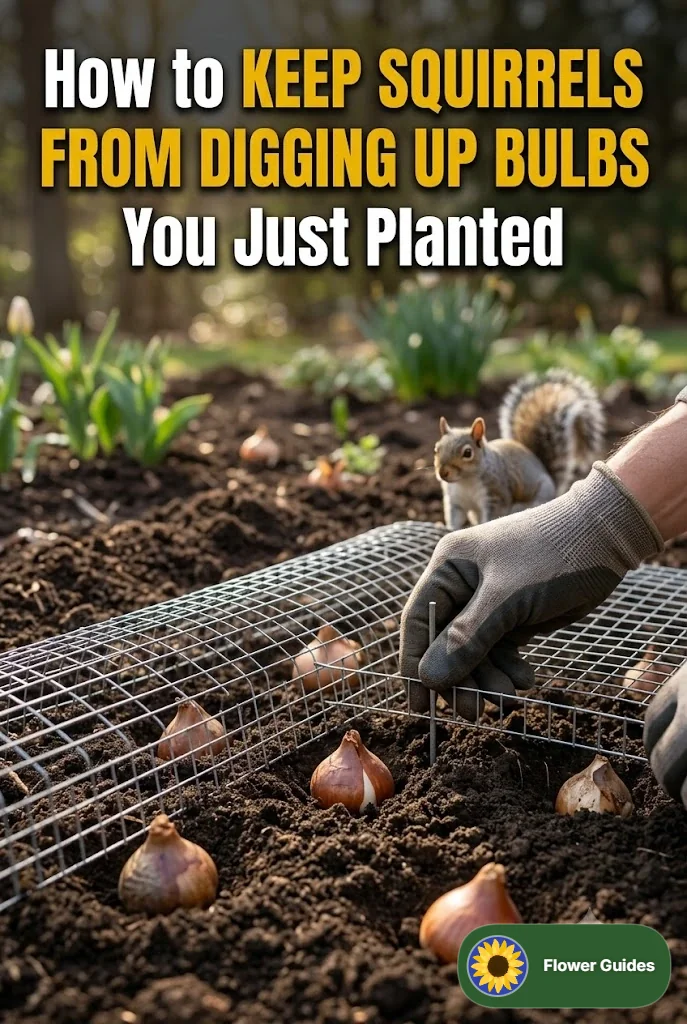
- Digging up bulbs: They love to dig, often uprooting bulbs and newly planted seeds.
- Eating fruits and vegetables: Chipmunks will feast on ripe tomatoes, strawberries, and any other produce they can find.
- Creating burrows: Chipmunks may create burrows in your garden, which can damage root systems and disrupt the soil.
Effective Strategies to Keep Chipmunks Away
Here are several actionable strategies to keep chipmunks out of your garden:
1. Physical Barriers
Implementing physical barriers is one of the most effective ways to deter chipmunks.
- Garden Fencing: Install a fence that is at least 2-3 feet high and extends 6-12 inches below the ground to prevent burrowing.
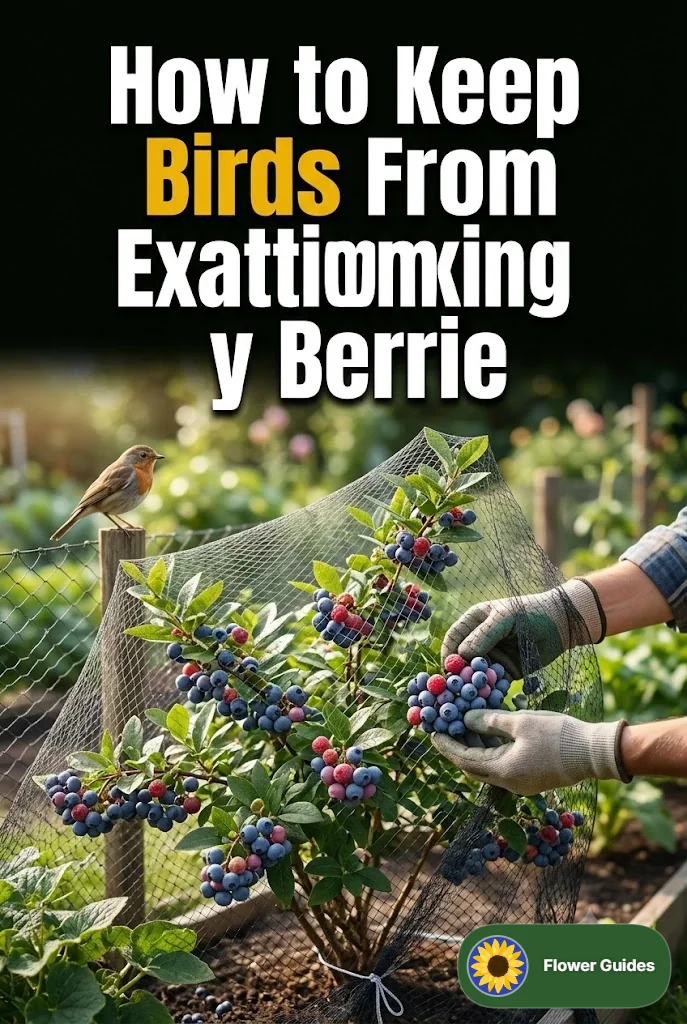
- Netting: Use bird netting or mesh to cover vulnerable plants, especially during their growing season.
- Raised Garden Beds: Consider growing your plants in raised beds that can be enclosed with mesh or wire.
2. Natural Repellents
Utilizing natural repellents can also help keep chipmunks at bay. Here are some easy-to-find options:
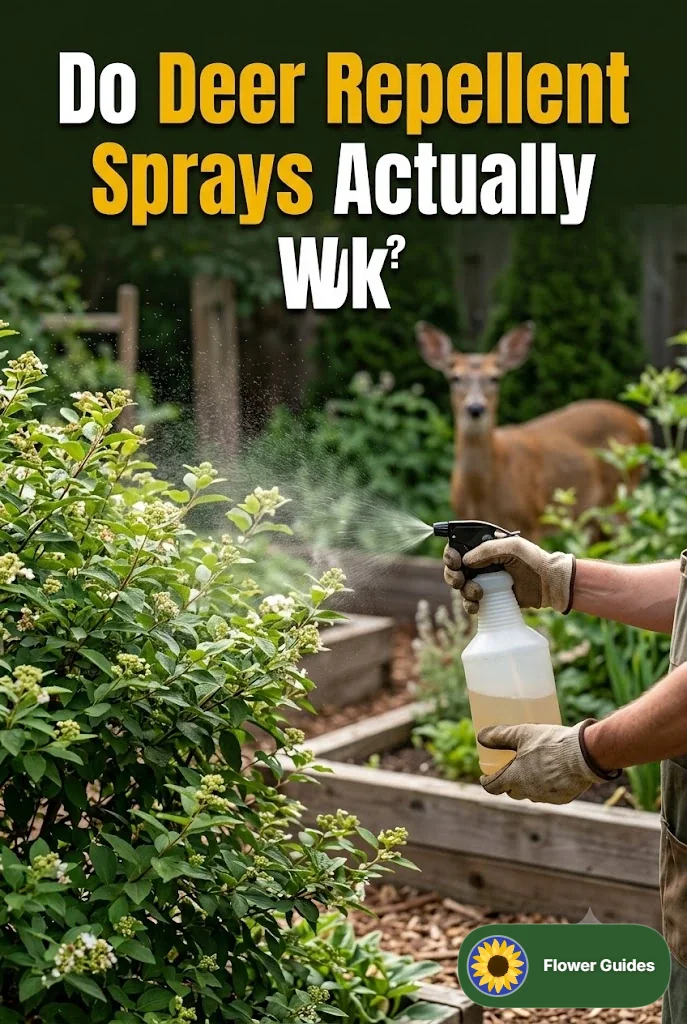
- Spicy Sprays: Mix cayenne pepper with water and spray around plants to create an unpleasant environment for chipmunks.
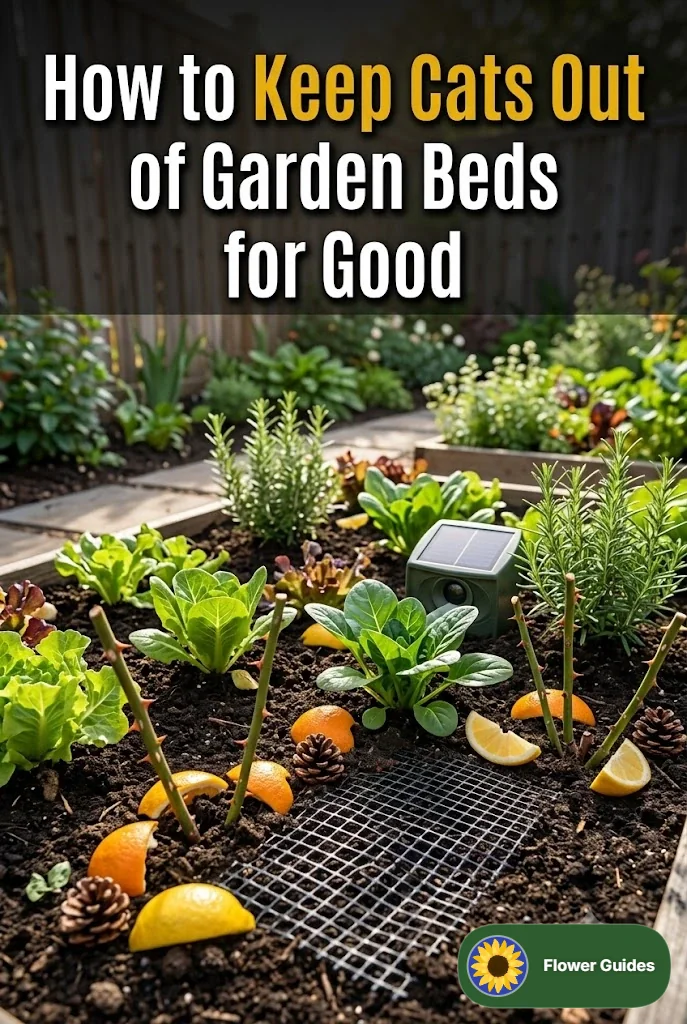
- Essential Oils: Oils like peppermint, garlic, and citrus can be effective. Soak cotton balls in these oils and place them around your garden.
- Predator Urine: Use commercially available predator urine (like fox or coyote) to deter chipmunks, as they will perceive the area as dangerous.
3. Habitat Modification
Making your garden less inviting is another effective approach. Consider the following tips:
- Clear Debris: Remove piles of leaves, wood, and stones where chipmunks may nest.
- Reduce Food Sources: Clean up fallen fruits and vegetables promptly and store birdseed in airtight containers.
- Plant Deterrent Vegetables: Certain plants, like marigolds and daffodils, can deter chipmunks due to their taste or smell.
4. Traps and Humane Deterrents
If the problem persists, consider using traps or humane deterrents:
- Live Traps: Set live traps baited with peanuts or sunflower seeds to catch chipmunks alive. Release them far from your garden.
- Motion-Activated Sprinklers: These devices can startle chipmunks, deterring them from returning.
- Ultrasonic Repellers: These emit high-frequency sounds that are uncomfortable for chipmunks but inaudible to humans.
Pinterest-Style Ideas for Chipmunk Prevention
- Spicy Garden Spray: Create a DIY spicy spray with household ingredients to protect your plants.
- Decorative Fencing: Use attractive fencing that blends with your garden aesthetics while keeping chipmunks out.
- Plant a Chipmunk-Resistant Garden: Choose chipmunk-resistant flowers and plants to create a beautiful yet secure garden.
Expert Tips for Long-Term Success
Here are some insider tips to enhance your efforts:
- Monitor Regularly: Keep an eye on your garden for signs of chipmunk activity, so you can respond quickly.
- Combine Methods: Use multiple strategies simultaneously for the best results; chipmunks can be persistent.
- Stay Consistent: Consistency is key. Regularly update and maintain barriers and repellents to keep chipmunks at bay.
Common Questions About Chipmunks in the Garden
Do chipmunks eat flowers?
Yes, chipmunks can eat flowers, especially if they are soft and tender. They are particularly fond of seedlings and young plants.
What plants deter chipmunks?
Plants like marigolds, daffodils, and certain herbs such as mint and lavender can help deter chipmunks due to their strong scents.
Are chipmunks harmful to gardens?
Chipmunks can be harmful to gardens as they dig up bulbs, consume fruits and vegetables, and create burrows that can damage plant roots.
Conclusion
Keeping chipmunks out of your garden may require a combination of strategies, but with patience and persistence, you can protect your plants effectively. By understanding their behavior and implementing these tips, you’ll create a thriving garden that remains chipmunk-free. Take action today and enjoy the beauty of your garden without the worry of these pesky visitors!