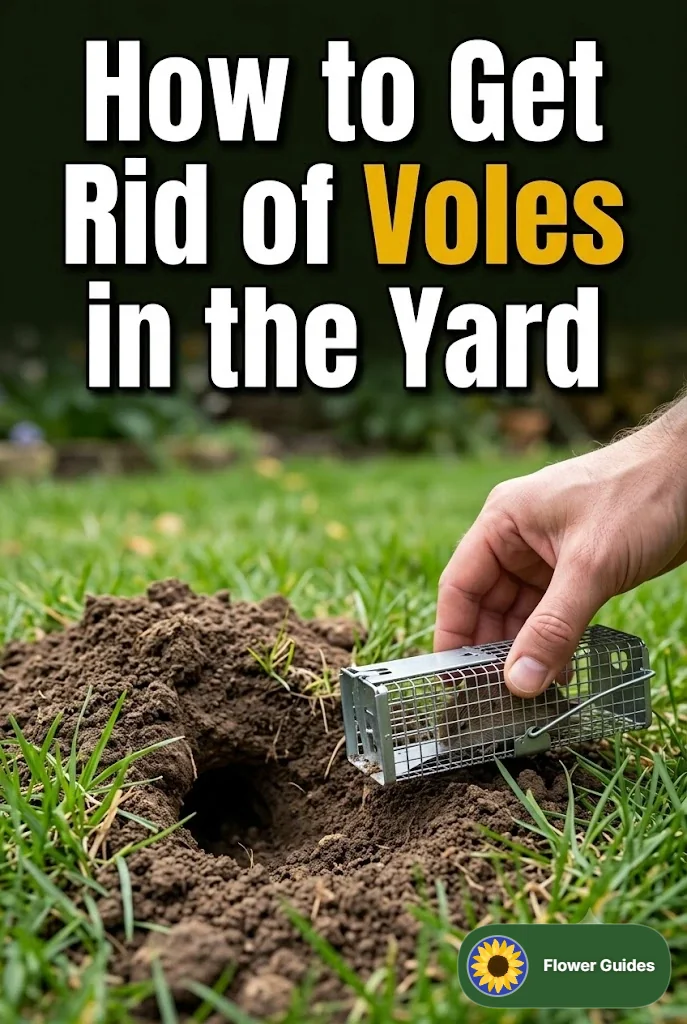
How to Get Rid of Voles in the Yard
Voles can be a gardener’s worst nightmare, digging up your precious plants and creating unsightly tunnels throughout your yard. If you’ve noticed signs of these small rodents, such as chewed roots or surface runways, you’re likely eager to find effective ways to reclaim your garden. Fortunately, there are several strategies you can employ to get rid of voles and protect your landscape from further damage.
Quick Answer
To get rid of voles in your yard, consider a combination of habitat modification, natural repellents, traps, and, if necessary, bait stations. Keeping your garden tidy and using barriers can significantly deter these pests.
Understanding Voles
Before diving into removal strategies, it’s helpful to understand what voles are and why they invade gardens. Voles are small, burrowing rodents often found in grassy areas. They thrive on a diet of roots, tubers, and tender vegetation, making your garden a prime target. Their tunneling can damage plant roots, leading to wilting and death of your beloved plants.
Signs of Vole Infestation
- Surface Tunnels: Look for raised ridges in the soil that indicate tunneling just below the surface.
- Chewed Plants: Notice any chewed roots or signs of nibbling on the stems and leaves of plants.
- Droppings: Small, dark droppings scattered around can indicate vole activity.
Effective Methods to Remove Voles
1. Habitat Modification
Creating an environment that is less appealing to voles is one of the best first steps. Here’s how to modify your yard:
- Remove Debris: Clear away piles of leaves, rocks, and other debris where voles may hide.
- Trim Vegetation: Keep grass short and trim back overgrown shrubs to reduce cover for these rodents.
- Use Mulch Wisely: Avoid using wood mulch, which can provide shelter; consider gravel or crushed stone instead.
2. Natural Repellents
Using natural repellents can help deter voles from your garden without harming the environment. Here are a few effective options:
- Plants: Planting certain herbs like mint, garlic, or marigolds can repel voles due to their strong scents.
- Castor Oil: Applying castor oil around your garden can deter voles as they dislike the smell.
- Predator Scents: Using predator urine or scents from animals like foxes can signal danger to voles.
3. Trapping Voles
If you want to take more immediate action, trapping may be the most effective method. Here’s how to do it:
- Choose the Right Trap: Use snap traps designed for small rodents. They’re effective and humane.
- Set Traps in Active Tunnels: Locate the most active tunnels and place traps there for better chances of catching voles.
- Bait the Traps: Use peanut butter, oats, or apple slices as bait to attract voles to the traps.
- Check Regularly: Check the traps daily to remove any captured voles promptly.
4. Bait Stations
If trapping isn’t yielding results, consider using bait stations. Here’s how:
- Use Commercial Baits: There are various commercial baits available that are specifically designed for voles.
- Set Up Bait Stations: Place bait stations in areas with high vole activity, ensuring they’re secure and protected from pets and children.
- Follow Safety Guidelines: Always follow the manufacturer’s instructions and local regulations when using poisons.
Pinterest-Style Ideas for Vole-Proofing Your Garden
Getting creative with your garden design can help prevent vole infestations. Here are some inspiring ideas:
- Raised Garden Beds: Elevate your plants to make it harder for voles to reach them.
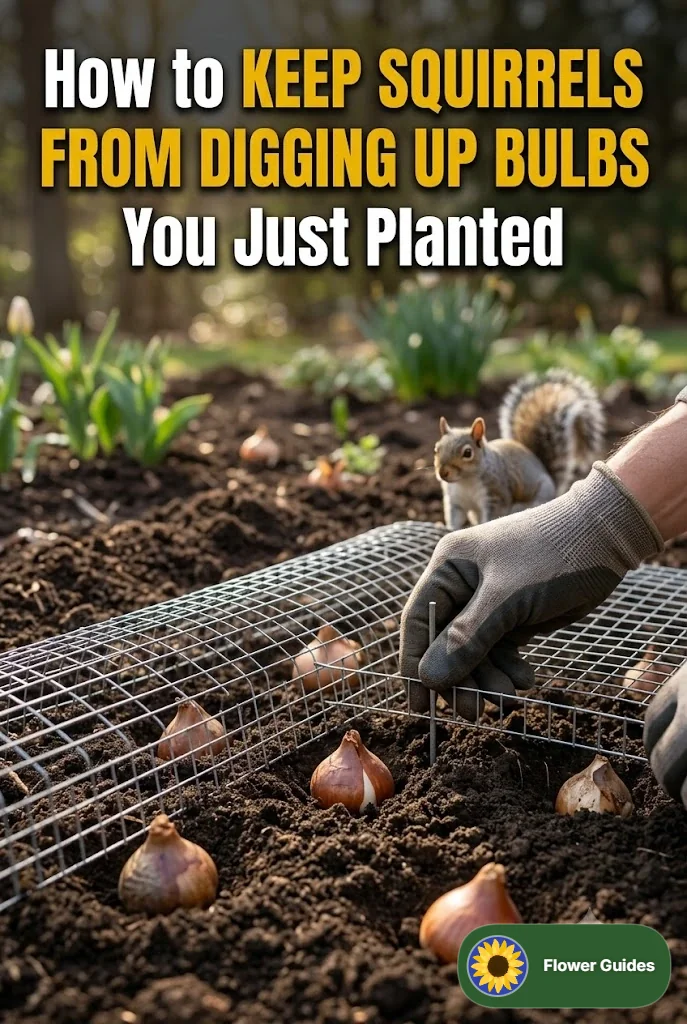
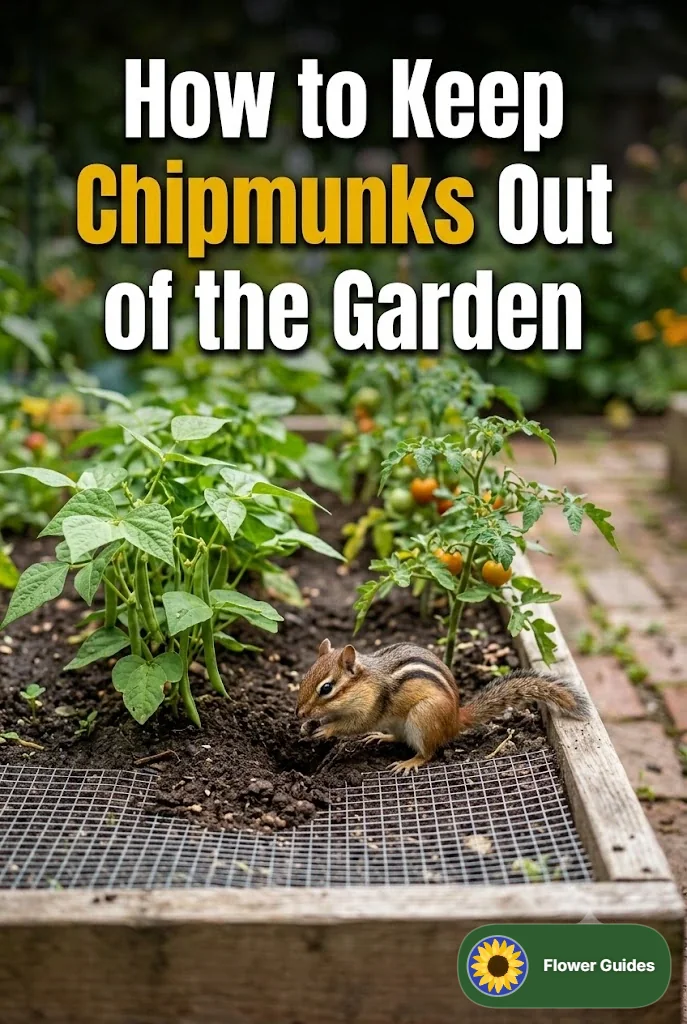
- Wire Mesh Barriers: Surround your garden with wire mesh to keep voles out.
- Rock Gardens: Incorporate rocks and gravel, which can deter burrowing.
Expert Tips for Long-Term Vole Control
To maintain a vole-free yard, consider these expert insights:
- Regular Inspection: Regularly check for new signs of voles and take immediate action if you detect any.
- Companion Planting: Use companion plants that repel voles to protect vulnerable species.
- Encourage Natural Predators: Attract owls and hawks to your yard by installing nesting boxes to help keep the vole population in check.
Common Questions About Vole Control
1. Are voles dangerous to pets?
Voles are not typically dangerous to pets, but they can attract predators that might pose a threat. Monitor your pets when they are outside.
2. Can voles damage trees?
Yes, voles can girdle young trees by gnawing on the bark, which can lead to tree death if not addressed.
3. How do I know if I have voles or moles?
Voles create surface tunnels and eat vegetation, while moles primarily dig deep tunnels and eat insects and grubs.
4. What is the best time to control voles?
Early spring and fall are the best times to manage vole populations, as they are most active during these periods.
Conclusion
By understanding voles and employing a combination of strategies, you can successfully protect your yard from these pesky rodents. Whether through habitat modification, traps, or natural repellents, taking action now can safeguard your garden for the seasons to come. Remember, maintaining vigilance and adapting your methods will help keep your beautiful landscape safe.