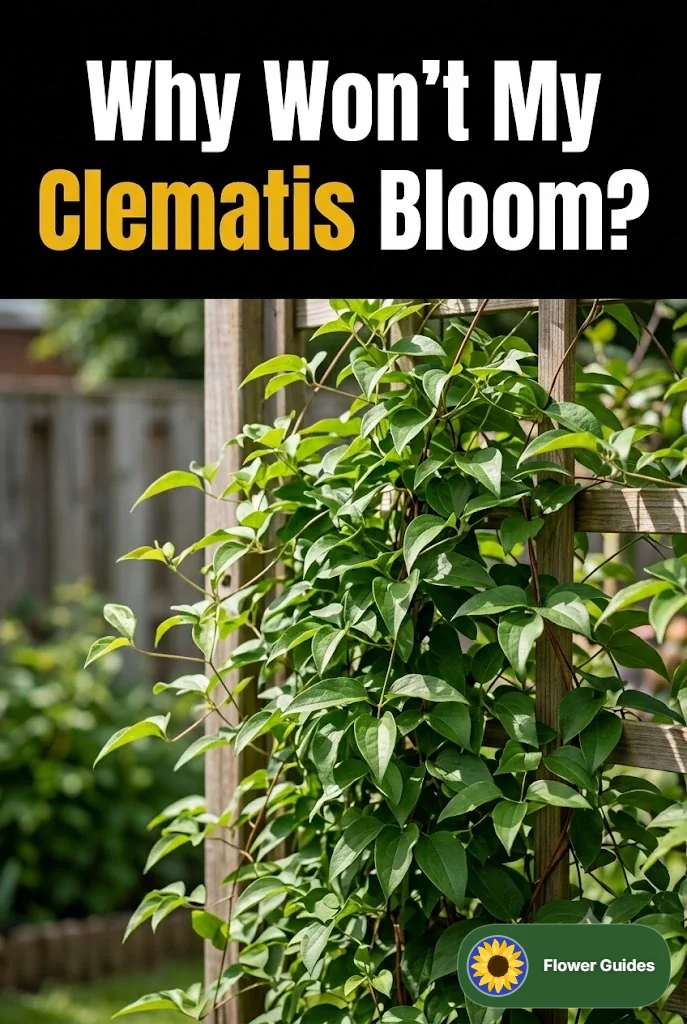
Why Won’t My Clematis Bloom?
If you’ve planted a clematis and are eagerly waiting for those stunning blooms to appear, only to be met with disappointment, you’re not alone. Many gardeners face the same frustration. Clematis, often referred to as the queen of climbing plants, can sometimes be a bit fickle when it comes to flowering. Understanding the reasons behind their reluctance to bloom is key to ensuring your clematis thrives and rewards you with vibrant flowers. Let’s dive into the common culprits that may be preventing your clematis from blooming and how to remedy the situation.
Quick Answer
Clematis may fail to bloom due to improper pruning, insufficient sunlight, inadequate watering, poor soil conditions, or pest issues. Identifying the specific reason will help you take action to encourage blooming.
Understanding Clematis Flowering Patterns
Clematis plants have varying flowering patterns based on their species. Some bloom in early spring, while others flower in summer or fall. Familiarizing yourself with the type of clematis you have is essential for understanding its blooming cycle and care needs.
Types of Clematis
- Early Bloomers: These clematis bloom on previous year’s growth. They typically flower from late winter to early spring.
- Mid-season Bloomers: They flower in late spring to early summer and may have a mix of new and old growth.
- Late Bloomers: These varieties bloom on new growth and flower from mid-summer to fall.
Common Reasons Your Clematis Isn't Blooming
1. Improper Pruning
One of the most common reasons clematis fail to bloom is improper pruning. Each type of clematis has specific pruning requirements. If you prune too late or incorrectly, you may be cutting off the buds that would produce flowers.
- Early Bloomers: Prune immediately after flowering.
- Mid-season Bloomers: Prune after the first flush of blooms.
- Late Bloomers: Prune in late winter or early spring before new growth starts.
2. Insufficient Sunlight
Clematis loves the sun! Ideally, they require at least six hours of direct sunlight each day for optimal blooming. If your plant is in a shady spot, you might see lush foliage but few flowers. Consider relocating your clematis to a sunnier location or trimming back nearby plants that may be casting shade.
3. Inadequate Watering
Watering is crucial for healthy clematis. While they enjoy moist soil, they dislike soggy conditions. The soil should be kept consistently moist but well-drained. Over-watering can lead to root rot, while under-watering can stress the plant, causing it to withhold blooms. Make sure to water deeply at least once a week, more during hot spells, adjusting based on rainfall.
4. Poor Soil Conditions
The soil quality can significantly impact your clematis’s ability to bloom. They prefer well-drained, nutrient-rich soil with a pH of around 6.0 to 8.0. If the soil is too compacted or lacking essential nutrients, it may hinder flowering.
- Tip: Amend the soil with compost or well-rotted manure before planting.
- Tip: Consider conducting a soil test to check for pH and nutrient levels.
5. Pest and Disease Issues
Pests like aphids, slugs, and spider mites can stress your clematis and affect blooming. Additionally, diseases such as wilt can severely impact the plant’s health.
- Regular Inspection: Check the leaves and stems for signs of pests or disease.
- Control Measures: Use insecticidal soap or neem oil for pests, and remove any infected plant parts promptly.
Pinterest-Style Ideas for Encouraging Clematis Blooms
- Create a Trellis: A beautiful trellis not only supports your clematis but adds visual interest to your garden.
- Companion Planting: Plant with other sun-loving perennials that can help create a vibrant garden scene.
- Color Combinations: Choose clematis varieties with different bloom colors to create a stunning visual display.
- Seasonal Decorations: Use seasonal ornaments to enhance the beauty of your clematis as it blooms throughout the year.
Expert Tips for Successful Clematis Blooming
Here are some insider tips to help you get the most out of your clematis:
- Mulch Wisely: Apply a layer of mulch around the base to retain moisture and regulate soil temperature.
- Fertilize Carefully: Use a balanced fertilizer during the growing season to promote healthy growth and blooms.
- Support Early Growth: Provide support as the plant grows to encourage a strong structure for blooms.
Common Questions About Clematis Blooming
Why is my clematis not blooming even though it looks healthy?
Healthy foliage does not always equate to blooming. Factors like insufficient sunlight, improper pruning, or nutrient-poor soil may be to blame.
How often should I water my clematis?
Water your clematis deeply once a week, adjusting for weather conditions. Maintain consistent moisture without waterlogging.
What is the best time to fertilize clematis?
Fertilize clematis in early spring as new growth begins and again after the first flowering to encourage subsequent blooms.
Can I grow clematis in containers?
Yes, clematis can thrive in containers, provided they have enough room for root growth and are placed in a sunny location.
Are there any diseases that affect clematis?
Yes, common diseases include clematis wilt and powdery mildew. Regular monitoring and proper care can help prevent these issues.
Conclusion
With a little patience and proper care, your clematis can become a stunning floral display in your garden. By understanding the reasons behind its reluctance to bloom and taking the necessary steps to address these issues, you can encourage your clematis to thrive. Remember, gardening is a journey, and each season brings new opportunities for growth and beauty!