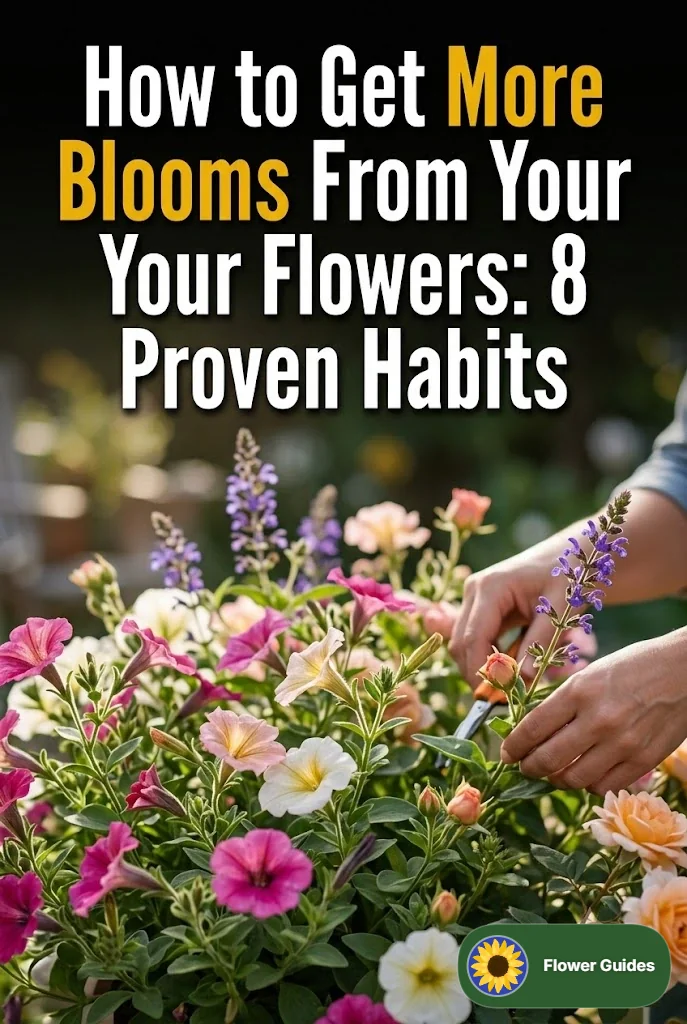
How to Get More Blooms From Your Flowers: 8 Proven Habits
Have you ever looked at your garden and wished for more vibrant blooms? You’re not alone! Many gardeners struggle with getting their flowers to produce the most stunning displays. With the right habits and a bit of care, you can transform your garden into a blooming paradise. Let’s dive into eight proven habits that will help you maximize your flower production and enjoy a garden bursting with color and life.
Quick Answer
To get more blooms from your flowers, focus on eight key habits: choose the right plants, provide adequate sunlight, maintain soil health, water properly, deadhead regularly, use fertilizers wisely, protect from pests, and ensure proper pruning. Each of these practices plays a crucial role in enhancing flower production.
1. Choose the Right Plants
Before you even plant a seed, it’s essential to select the right flowers for your garden. Consider the following:
- Climate Compatibility: Choose flowers that thrive in your local climate. Native plants often require less care and are better adapted to your environment.
- Blooming Season: Opt for a variety of plants that bloom at different times. This ensures continuous color throughout the growing season.
- Flowering Habits: Some flowers produce multiple blooms per season, while others may only flower once. Research your options to maximize your blooming potential.
2. Provide Adequate Sunlight
Most flowering plants require plenty of sunlight to thrive. Here’s how to ensure they get enough:
- Assess Sunlight Exposure: Observe your garden throughout the day to identify areas that receive full sun (6-8 hours) and partial shade.
- Positioning: Place sun-loving flowers in the sunniest parts of your garden. If necessary, consider moving your plants to optimize their exposure.
- Seasonal Changes: Be mindful of trees or structures that may cast shadows during different seasons and adjust your planting accordingly.
3. Maintain Soil Health
Healthy soil is the foundation for vibrant blooms. Here are some tips to improve your soil:
- Testing Soil: Conduct a soil test to determine pH and nutrient levels. This information will guide you in making necessary amendments.
- Organic Matter: Incorporate compost or well-rotted manure to boost nutrient levels and improve soil structure.
- Mulching: Apply a layer of mulch to retain moisture, suppress weeds, and regulate soil temperature.
4. Water Properly
Watering is crucial for flower production, but it’s important to do it right:
- Deep Watering: Water deeply but infrequently to encourage deep root growth. Aim for about 1 inch of water per week.
- Time of Day: Water early in the morning or late in the afternoon to minimize evaporation and allow plants to absorb moisture effectively.
- Soil Drainage: Ensure your garden has good drainage to prevent root rot and other moisture-related issues.
5. Deadhead Regularly
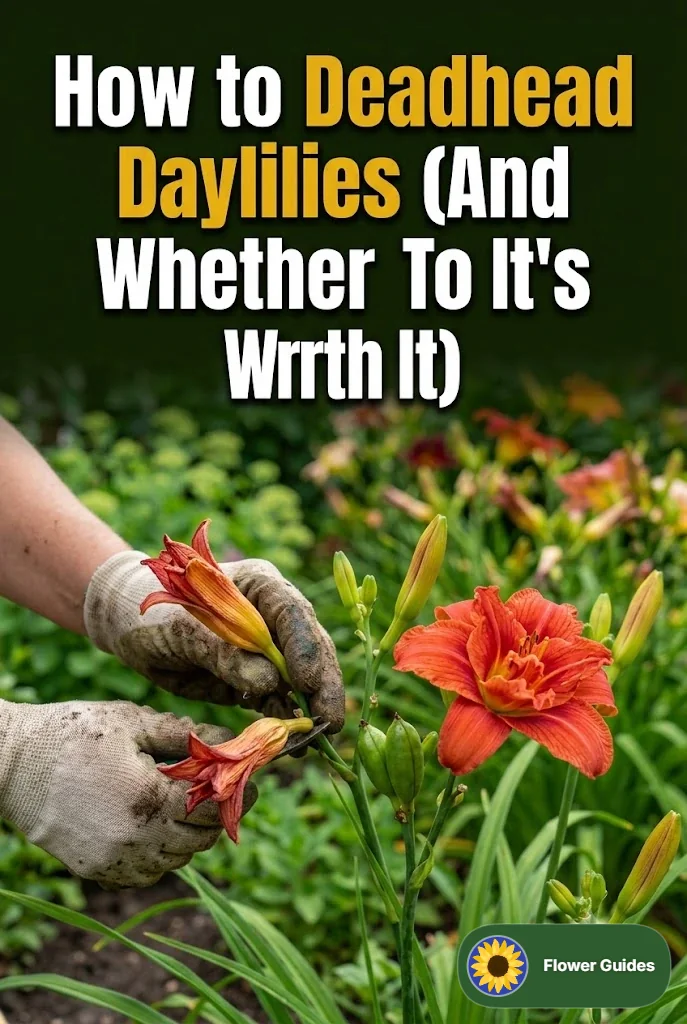
Deadheading, or removing spent flowers, encourages plants to focus their energy on producing new blooms. Here’s how to do it effectively:
- Timing: Regularly check your flowers and remove faded blooms before they set seed.
- Technique: Pinch or cut the flower stem just above the first set of leaves to promote new growth.
- Frequency: For continuous bloomers, deadhead every few weeks to keep the flowers coming.
6. Use Fertilizers Wisely
Fertilizing can provide a significant boost to flower production, but moderation is key:
- Choose the Right Fertilizer: Use a balanced fertilizer or one specifically formulated for flowering plants to encourage blooms.
- Timing: Fertilize during the growing season, usually in spring and again mid-summer, to support new growth and blooms.
- Avoid Over-Fertilizing: Too much fertilizer can lead to excessive foliage growth at the expense of flowers. Follow package instructions carefully.
7. Protect from Pests
Pests can be detrimental to your flowers if not managed properly. Here’s how to keep them at bay:
- Regular Inspections: Regularly check your plants for signs of pests, such as wilting, discoloration, or visible insects.
- Natural Predators: Encourage beneficial insects like ladybugs and lacewings that eat harmful pests.
- Pest Control: Use organic pest control methods, such as neem oil or insecticidal soap, to treat infestations without harming beneficial creatures.
8. Ensure Proper Pruning
Pruning is not just for shaping; it can also enhance blooming. Here’s what to keep in mind:
- Timing: Prune at the right time for each plant type. Some flowers benefit from pruning in late winter, while others should be pruned after blooming.
- Techniques: Remove dead or diseased branches to improve air circulation and light penetration.
- Encouraging New Growth: Pruning can stimulate new growth and the production of more blooms, so don’t be afraid to trim back when necessary.
Expert Tips Section
To really elevate your flower garden, consider these insider tips:
- Companion Planting: Pair flowers with complementary plants that can help deter pests or attract pollinators.
- Seasonal Adjustments: Rotate your flower varieties each year to prevent soil depletion and pest build-up.
- Container Gardening: If space is limited, consider container gardening. It allows for greater control over soil quality and sunlight exposure.
Common Questions (FAQ)
What are the best flowers for maximizing blooms?
Flowers like petunias, geraniums, and zinnias are known for their prolific blooms and are great choices for any garden.
How often should I deadhead my flowers?
Deadheading should be done every few weeks during the blooming season to encourage new growth and flowering.
Can I use homemade fertilizers for my flowers?
Yes! Homemade fertilizers like compost tea or banana peels can provide nutrients without chemical additives.
Conclusion
Transforming your garden into a blooming haven is achievable with a bit of dedication and the right habits. By choosing suitable plants, providing adequate care, and staying proactive against pests, you can enjoy a vibrant display of flowers throughout the season. Try incorporating these tips into your gardening routine, and watch as your blooms flourish like never before!