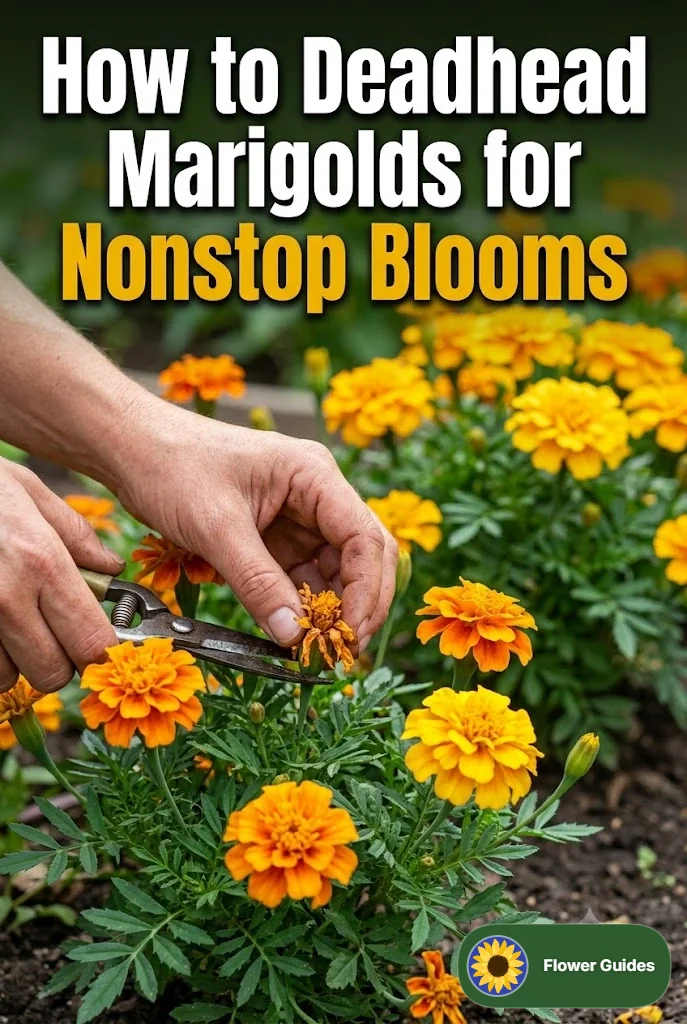
How to Deadhead Marigolds for Nonstop Blooms
Marigolds are a gardener’s favorite for their vibrant colors and ability to bloom throughout the growing season. However, to keep these cheerful flowers producing nonstop blooms, deadheading is essential. This simple process not only enhances the plant’s appearance but also encourages more flowering. Whether you are a seasoned gardener or a newbie, understanding how to properly deadhead marigolds can significantly improve your garden’s health and beauty.
Quick Answer
To deadhead marigolds, simply pinch or cut off the spent blooms just above the first set of healthy leaves. This encourages the plant to divert energy into producing new flowers instead of seed pods, ensuring continuous blooms throughout the season.
Understanding Deadheading
Deadheading refers to the practice of removing faded or dead flowers from a plant. While it may seem like a minor detail, this step is crucial for several reasons:
- Promotes New Growth: By removing spent blooms, marigolds focus their energy on producing new flowers rather than seeds.
- Enhances Aesthetic Appeal: Deadheading keeps your marigolds looking tidy and vibrant, improving the overall appearance of your garden.
- Extends Blooming Season: Regular deadheading can prolong the flowering period, allowing you to enjoy your marigolds for as long as possible.
When to Deadhead Marigolds
Timing is everything when it comes to deadheading. Here are some guidelines to follow:
1. Regular Checks
Inspect your marigolds regularly, especially during peak blooming seasons. Look for flowers that have started to wilt or turn brown.
2. Seasonal Factors
In warmer months, you may find yourself deadheading more frequently. Aim to check your plants every week or two during the height of summer.
3. After Flowering Events
After your marigolds have finished a significant blooming period, it’s a good idea to deadhead them to promote a second round of blooms.
How to Deadhead Marigolds: Step-by-Step Guide
Now that you understand the importance of deadheading, let’s dive into the step-by-step process:
Step 1: Gather Your Tools
While deadheading can be done using just your fingers, having the right tools can make the job easier. Consider using:
- Pruning shears for larger stems
- Gardening scissors for precise cuts
- Your fingers for quick, casual deadheading
Step 2: Identify Spent Blooms
Look for flowers that are wilting, browning, or have already lost their petals. These blooms can be found at the top of the plant or along the sides.
Step 3: Remove the Bloom
Using your fingers or your chosen tool, pinch or cut the stem just above the first set of healthy leaves. This ensures you aren’t damaging the plant and encourages new growth.
Step 4: Dispose of the Dead Flowers
Remove the spent blooms from your garden area. This helps to prevent any diseases or pests from taking hold. You can either compost them or discard them in the trash.
Step 5: Observe Your Plants
After deadheading, keep an eye on your marigolds. You should notice new buds forming within a week or two, leading to more vibrant blooms.
Common Mistakes to Avoid
While deadheading is straightforward, there are some common pitfalls to watch out for:
- Cutting Too Low: Make sure to deadhead just above the leaves. Cutting too low can damage the plant and prevent new growth.
- Neglecting to Deadhead: Avoid skipping this step, as it can lead to a decline in blooms and overall plant health.
- Using Dull Tools: Always ensure your tools are sharp to make clean cuts and minimize damage to the plant.
Pinterest-Style Ideas for Marigold Arrangement
Looking to make your marigolds stand out even more? Here are some creative ideas for arranging them in your garden:
- Color Combos: Mix orange and yellow marigolds for a vibrant, sunny display.
- Container Gardens: Plant marigolds in decorative pots for a charming patio or balcony display.
- Border Planting: Use marigolds to line pathways or garden beds for a pop of color and to deter pests.
Expert Tips for Thriving Marigolds
To maximize the beauty and bloom of your marigolds, consider these expert tips:
- Watering Wisely: Ensure your marigolds receive consistent moisture but avoid waterlogging. A deep watering once a week is usually sufficient.
- Fertilizing: Use a balanced fertilizer every 4-6 weeks during the growing season to boost blooms.
- Companion Planting: Pair marigolds with vegetables like tomatoes and peppers to deter pests naturally.
Common Questions about Deadheading Marigolds
1. How often should I deadhead my marigolds?
Deadheading should be done regularly, ideally every week or two during peak blooming periods.
2. Can I deadhead marigolds in the fall?
Yes, you can deadhead marigolds in the fall, but it’s best to leave some blooms for seeds that can help with future growth next year.
3. What if I forget to deadhead?
Don’t worry! While it’s better to deadhead regularly, missing a few blooms won’t drastically harm your plants. Just resume the practice as soon as you remember.
4. Are there different types of marigolds that need different care?
Yes, different types of marigolds (such as French or African marigolds) may have slightly varying care needs, but deadheading remains beneficial for all varieties.
Conclusion
Deadheading marigolds is a simple yet effective way to ensure your garden remains vibrant and full of life. By following the steps outlined above, you can enjoy a continuous display of color all season long. With a little attention and care, your marigolds will reward you with nonstop blooms, enhancing the beauty of your garden and bringing joy to your outdoor space.