How to Stop Slugs Eating Hostas
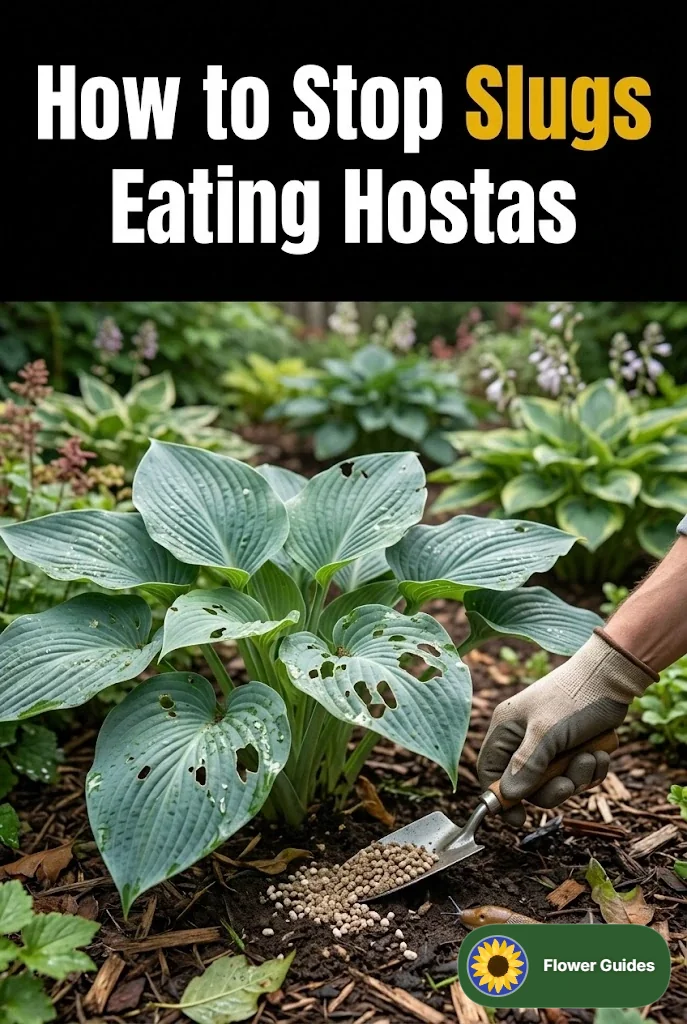
Hostas are beautiful, leafy perennials that can add a lush feel to any garden, but slugs have a knack for turning these elegant plants into a buffet. If you’ve ever woken up to find your beloved hostas munched down to stubs, you know the frustration all too well. Fortunately, there are effective strategies to keep these slimy pests at bay, allowing you to enjoy your garden without worry. Let’s explore how to stop slugs from eating hostas and keep your plants thriving.
Understanding the Slug Problem
Slugs are nocturnal creatures that thrive in damp environments, making them particularly fond of hostas. They feed on the soft, tender leaves, often leaving behind ragged holes that can be unsightly. Understanding their behavior is the first step in creating an effective management plan.
Why Slugs Love Hostas
- Soft Leaves: Hostas have juicy, soft leaves that slugs find irresistible.
- Moisture: Slugs prefer moist environments, which can be common in areas where hostas thrive.
- Shade: Many hostas grow in shaded areas, providing a perfect habitat for slugs during the day.
Preventive Measures to Keep Slugs Away
The best way to deal with slugs is to prevent them from becoming a problem in the first place. Here are several strategies to consider:
1. Create a Dry Barrier
Slugs prefer moist environments, so creating dry barriers can deter them. Here are some ideas:
- Crushed Eggshells: Scatter crushed eggshells around the base of your hostas. The sharp edges will discourage slugs from crossing.
- Sand or Diatomaceous Earth: Both materials create a rough surface that slugs dislike. Sprinkle them around your plants for added protection.
2. Use Natural Deterrents
Incorporating natural deterrents can help keep slugs at bay without harming your garden. Here’s how:
- Coffee Grounds: Slugs are known to dislike the caffeine in coffee. Sprinkle used coffee grounds around your plants.
- Garlic Spray: Make a homemade garlic spray by blending garlic cloves with water, straining it, and spraying it on your hostas.
3. Plant Companion Species
Some plants can naturally repel slugs while enhancing your garden’s beauty. Consider these companion plants:
- Lavender: Known for its fragrant scent, lavender can deter slugs.
- Thyme: This aromatic herb is another excellent choice to keep slugs at bay.
4. Water Wisely
Since slugs thrive in moist conditions, it’s crucial to manage watering effectively:
- Water Early: Water your garden in the morning rather than the evening to allow the soil to dry out by nightfall.
- Avoid Overwatering: Ensure your hostas are not sitting in waterlogged soil, which attracts slugs.
Trapping Slugs Effectively
If slugs are already a problem, trapping them can be an effective way to reduce their population. Here are some popular methods:
1. Beer Traps
Using beer as a slug trap is a classic method that works surprisingly well:
- Dig a small hole in the ground and place a container filled with beer at ground level.
- Slugs are attracted to the smell of the beer, fall in, and drown.
2. Salt Traps
Salt can be a quick method to eliminate slugs, but use it cautiously:
- Sprinkle salt in areas where you’ve noticed slug activity. However, avoid applying salt directly to the soil or plants, as it can harm them.
3. Hand-Picking
While it may seem tedious, hand-picking slugs can be effective:
- Go out in the early morning or late evening, when slugs are most active, and collect them by hand.
- Place them in a bucket of soapy water to dispose of them safely.
Expert Tips for Long-Term Success
To maintain a slug-free garden, consider these expert tips:
- Regular Maintenance: Keep your garden tidy by removing debris and old plant material where slugs can hide.
- Use Copper Barriers: Slugs get a mild electric shock when they cross copper, so consider using copper tape around pots or garden beds.
- Encourage Natural Predators: Birds, frogs, and beneficial insects can help control slug populations. Create a welcoming environment for them in your garden.
Common Questions About Slug Control
1. Are slugs harmful to my hostas?
Yes, slugs can cause significant damage to hostas by eating their leaves, leading to stunted growth and unsightly appearance.
2. How do I know if slugs are in my garden?
Look for irregular holes in leaves, slime trails, and the presence of slugs, especially during damp conditions.
3. Can I use chemical pesticides to control slugs?
While chemical pesticides can be effective, they may harm beneficial insects and the environment. It’s best to try natural methods first.
4. When are slugs most active?
Slugs are most active during the night and early morning, especially in damp and humid conditions.
Conclusion
Dealing with slugs may seem daunting, but with a mix of prevention, trapping, and ongoing maintenance, you can protect your hostas and enjoy a thriving garden. Experiment with different methods to find what works best for you, and remember that a healthy garden is often the best defense against pests. With a little effort, your hostas can flourish, free from the threat of slugs!