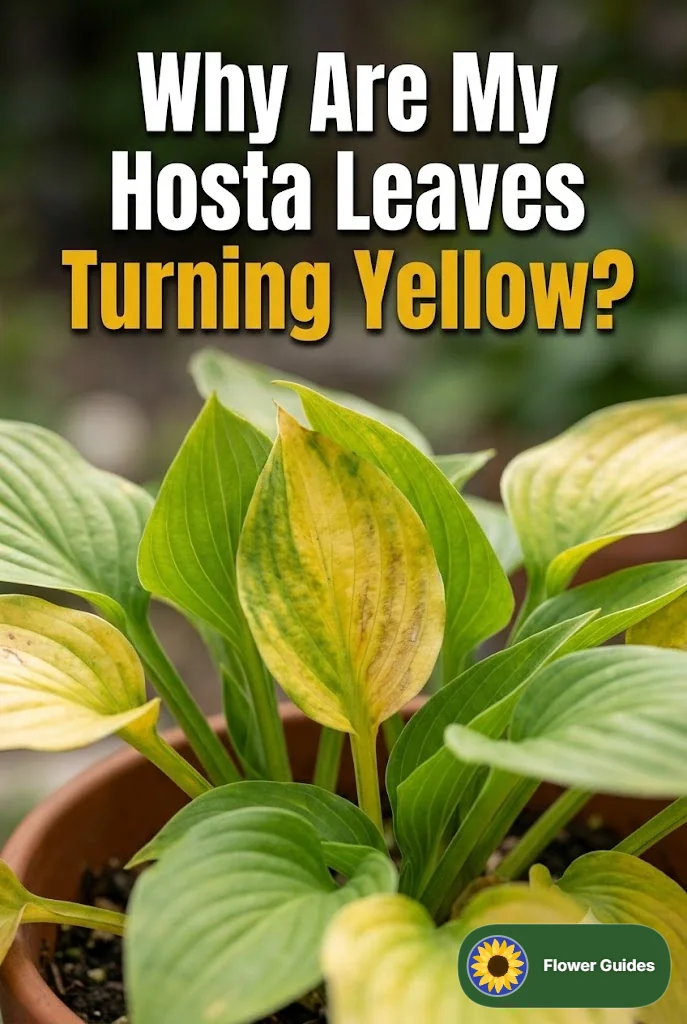
Why Are My Hosta Leaves Turning Yellow?
Seeing your beloved hosta plants with yellowing leaves can be disheartening. These lush, leafy perennials are prized for their vibrant foliage and ability to thrive in shady spots. Yet, when their leaves start to turn yellow, it often raises concerns about their health and well-being. Understanding the reasons behind this color change is essential for any gardener looking to restore their hostas to their full glory. Let’s delve into the common causes and solutions for yellowing hosta leaves.
Quick Answer
Hosta leaves turn yellow for several reasons, including overwatering, underwatering, nutrient deficiencies, pests, or diseases. Identifying the specific cause is crucial for implementing the right solution to revive your hostas.
Common Causes of Yellowing Hosta Leaves
1. Overwatering
One of the most frequent culprits for yellowing leaves is overwatering. Hostas prefer moist, well-drained soil, but too much water can lead to root rot, which manifests as yellow leaves.
- Symptoms: Leaves turn yellow and may feel mushy at the base.
- Solution: Ensure the soil drains well and reduce watering frequency. Allow the top inch of soil to dry out before watering again.
2. Underwatering
Conversely, underwatering can also cause hosta leaves to yellow. If the plants are not receiving enough moisture, they can become stressed, leading to discoloration.
- Symptoms: Leaves may appear dry and crispy along the edges.
- Solution: Assess the soil moisture levels and water deeply if the soil feels dry. Aim for consistent moisture, especially during hot, dry spells.
3. Nutrient Deficiencies
Nutrient deficiencies, particularly nitrogen, can lead to yellowing leaves in hostas. Nitrogen is vital for healthy foliage development.
- Symptoms: Older leaves turn yellow while new growth remains green.
- Solution: Apply a balanced fertilizer or one high in nitrogen. Follow package instructions to avoid over-fertilization.
4. Sunburn
Most hostas thrive in partial to full shade. If exposed to too much direct sunlight, their leaves can scorch and turn yellow.
- Symptoms: Yellow leaves with brown tips or edges.
- Solution: Relocate potted hostas to a shadier spot or prune overhanging branches to provide adequate shade.
5. Pest Infestation
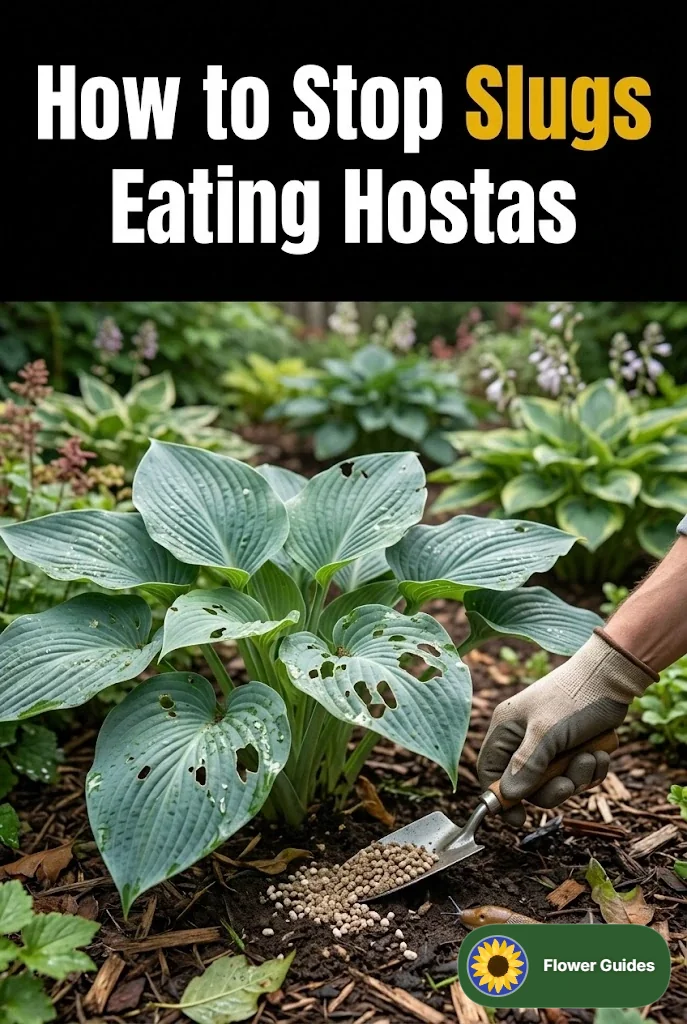
Pests such as slugs, snails, and aphids can wreak havoc on hostas, leading to yellowing leaves. These pests feed on the plant’s tissue, causing stress and discoloration.
- Symptoms: Holes in the leaves or sticky residue from aphids.
- Solution: Implement pest control methods. Handpick slugs and snails or use organic pesticides for aphids.
6. Diseases
Hostas are susceptible to various diseases, including fungal infections that can cause yellow leaves.
- Symptoms: Yellowing leaves accompanied by spots or wilting.
- Solution: Remove affected leaves and improve air circulation around the plants. Consider using fungicides if the problem persists.
Step-by-Step Guide to Revive Yellowing Hostas
- Assess Watering Practices: Check if you are over or under-watering your hostas.
- Inspect Soil Drainage: Ensure the soil drains well to prevent root rot.
- Nutrient Check: Test soil for nutrient levels and apply fertilizer as needed.
- Observe Leaf Positioning: Move plants if they are getting too much sun.
- Pest Inspection: Regularly check for pests and take necessary action.
- Monitor for Disease: Look for spots or wilting and act quickly if disease is suspected.
Pinterest-Style Ideas for Healthy Hostas
- Hosta Color Mixing: Pair different hosta varieties for a stunning color palette in your garden.
- Container Gardening: Use decorative pots to create a hosta display on your patio or balcony.
- Companion Planting: Combine hostas with ferns or shade-loving flowers for a lush, layered look.
- Seasonal Care Tips: Create a seasonal checklist for hosta care to keep them thriving all year.
- DIY Pest Control: Share homemade remedies to keep pests at bay without harsh chemicals.
Expert Tips for Thriving Hostas
To ensure your hostas remain healthy and vibrant, consider these insider tips:
- Choose the Right Varieties: Some hostas are more tolerant of sunlight than others. Research varieties suited for your garden’s conditions.
- Mulch Wisely: Use organic mulch to retain moisture and suppress weeds while maintaining soil temperature.
- Regularly Divide Plants: Every 3-5 years, divide hostas to promote healthy growth and rejuvenate the plants.
- Stay Alert: Keep an eye out for early signs of stress to address issues before they escalate.
Common Questions (FAQ)
Why are my hosta leaves turning yellow in spring?
Yellowing in spring can result from transitioning weather conditions. Ensure proper watering as temperatures fluctuate, and monitor for any signs of pests or diseases.
How often should I water my hostas?
Water hostas deeply once a week, ensuring the top inch of soil dries out between waterings. Increase frequency during hot, dry spells.
Can yellow leaves recover?
Yes, if the underlying issue is addressed, yellow leaves may improve. However, severely damaged leaves should be pruned to encourage new growth.
What soil is best for hostas?
Hostas thrive in rich, well-drained soil with plenty of organic matter. A soil pH between 6.0 and 7.0 is ideal.
When is the best time to fertilize hostas?
The best time to fertilize hostas is in early spring, as new growth begins. A balanced fertilizer or one high in nitrogen will support lush foliage.
Conclusion
Yellowing hosta leaves can signal various issues, from watering problems to nutrient deficiencies or pest invasions. By carefully assessing your plants and their environment, you can identify the cause and take corrective action. With a little diligence and care, your hostas can return to their lush, green selves, bringing beauty and tranquility to your garden space.