How to Deadhead Daylilies (And Whether It’s Worth It)
Daylilies are a garden favorite for many, known for their vibrant blooms and hardiness. However, after their stunning show of flowers, you might find yourself wondering what to do next. Should you deadhead those spent blooms or leave them be? Not only can deadheading enhance the beauty of your garden, but it can also promote healthier growth in your daylilies. Let’s explore the ins and outs of deadheading daylilies and whether it’s worth your time and effort.
What Does Deadheading Mean?
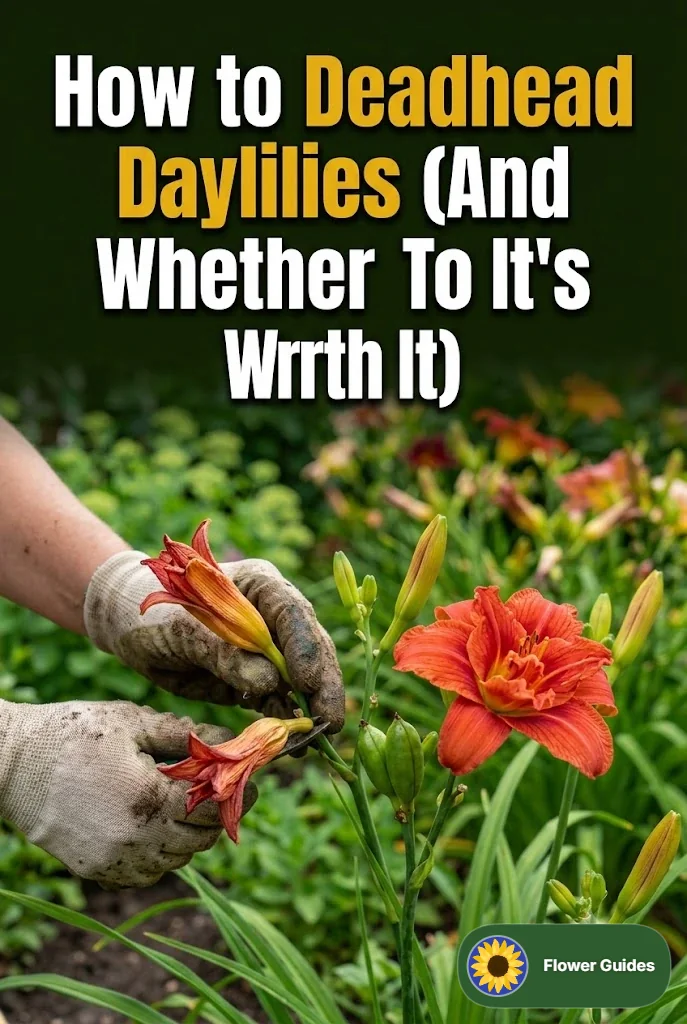
Deadheading is simply the practice of removing spent flowers from a plant. This process encourages the plant to focus its energy on producing new blooms rather than seed production. With daylilies, deadheading can keep your garden looking tidy and prolong their blooming season.
Quick Answer
To deadhead daylilies, simply pinch or cut off the wilted flowers at the base of the stem. This helps to promote new growth and maintain the plant’s aesthetic appeal. It is definitely worth doing for a healthier and more vibrant garden.
Why Deadhead Daylilies?
Understanding the benefits of deadheading can motivate you to make this small effort in your gardening routine. Here are some compelling reasons:
- Extended Blooming Period: Deadheading encourages the plant to produce more flowers, extending the blooming season.
- Improved Appearance: Removing spent blooms keeps your plant looking fresh and tidy.
- Healthier Plants: By preventing seed production, the plant can invest more energy into growth and blooming.
- Encourages New Growth: Regular deadheading can stimulate the plant to produce new foliage and flowers.
How to Deadhead Daylilies: A Step-by-Step Guide
Ready to get started? Follow these simple steps to effectively deadhead your daylilies:
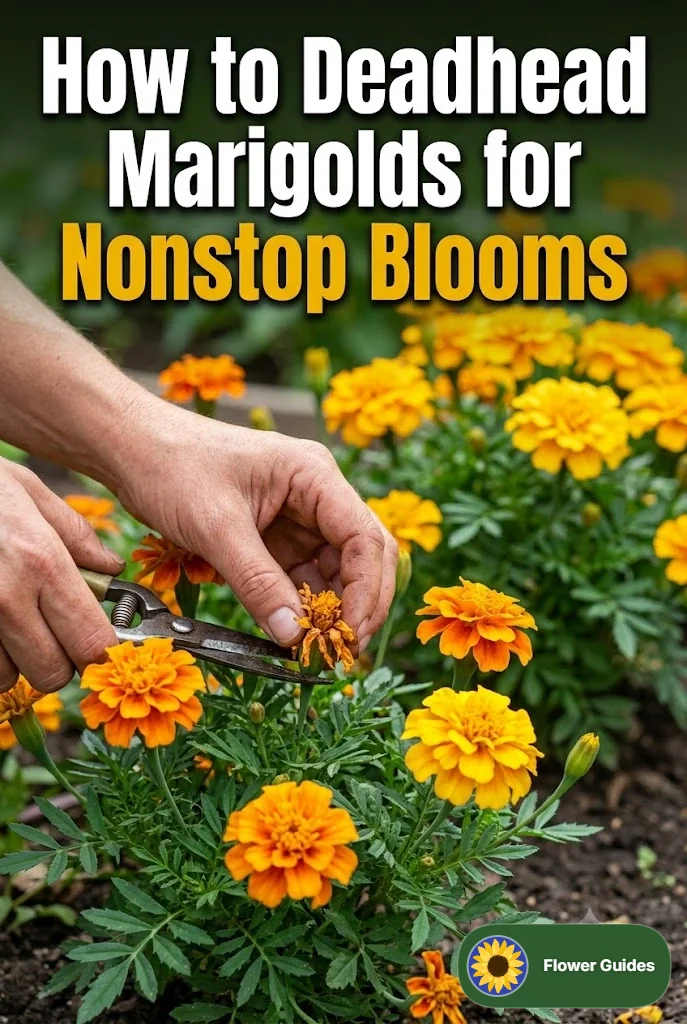
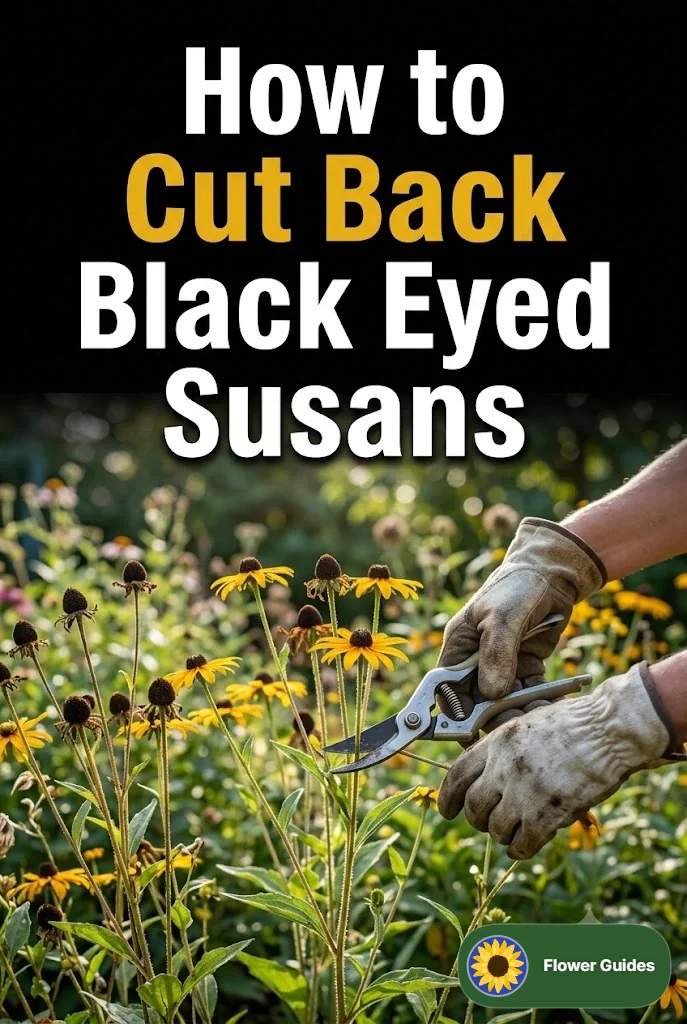
- Gather Your Tools: You’ll need a pair of clean garden shears or scissors. If you prefer, you can also use your fingers to pinch off blooms.
- Identify the Spent Blooms: Look for daylily flowers that have wilted, turned brown, or are past their prime.
- Cut or Pinch: For a clean cut, use your shears to snip the flower stem just above the base where it connects to the green foliage. If you’re pinching, use your fingers to gently twist and pull the spent flower off the stem.
- Dispose of the Cuttings: Remove the dead flowers from your garden to prevent disease and keep your space tidy.
- Observe Your Plants: After deadheading, keep an eye on your daylilies for new growth and blooms.
Common Mistakes to Avoid When Deadheading Daylilies
While deadheading is a straightforward task, there are a few common pitfalls to be aware of:
- Not Deadheading at All: Leaving old blooms can hinder new growth and make your plants look unkempt.
- Cutting Too Low: Ensure you don’t cut the foliage when deadheading, as this can harm the plant.
- Neglecting Other Care: Deadheading is just one part of daylily care; ensure you’re also watering and fertilizing appropriately.
Expert Tips for Successful Deadheading
Here are some insider tips to help you maximize the benefits of deadheading your daylilies:
- Timing Matters: Deadhead your daylilies regularly, ideally every few days during the blooming season for optimal results.
- Consider Plant Health: If your daylilies seem stressed or unhealthy, focus on improving their overall care before deadheading.
- Use Clean Tools: Always use sterilized tools to avoid introducing any pathogens into your garden.
- Observe for Pests: Regular deadheading gives you a chance to check for pests and diseases early on.
Are There Any Downsides to Deadheading Daylilies?
While deadheading has many benefits, it’s essential to be mindful of a few considerations:
- Time Investment: While it’s a relatively quick task, it does require some time commitment, especially if you have a large garden.
- Potential for Damage: If done improperly, you could accidentally damage healthy foliage or buds.
- Seasonal Differences: Some daylily varieties may not benefit as much from deadheading, particularly if they naturally die back in the fall.
Frequently Asked Questions
1. How often should I deadhead my daylilies?
It’s best to deadhead every few days throughout the blooming season to encourage new flowers and maintain appearance.
2. Can I deadhead daylilies in the fall?
While you can remove spent blooms in the fall, it’s typically recommended to focus on deadheading during the blooming season for the best results.
3. What if I forget to deadhead my daylilies?
Don’t worry! While you may miss out on some blooms, daylilies are resilient and will continue to thrive with proper care.
Conclusion
Deadheading daylilies is a simple yet effective way to enhance your garden’s beauty and promote healthier plants. By regularly removing spent blooms, you’re not just keeping your garden looking fresh; you’re also encouraging new growth and a longer blooming period. So grab your shears and get started—your daylilies will thank you for it!