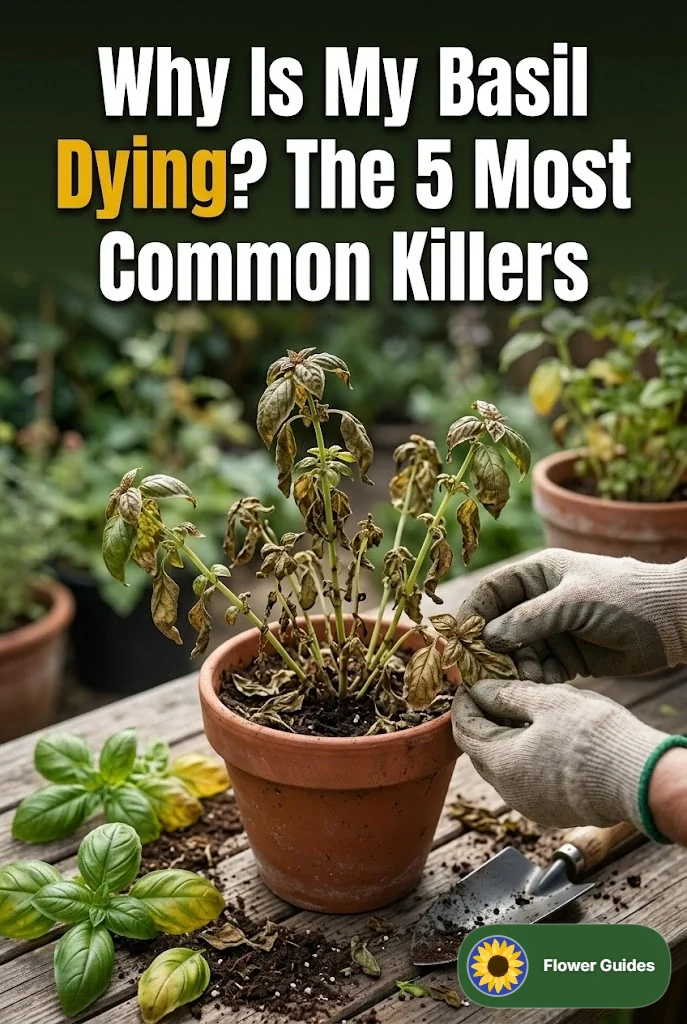
Why Is My Basil Dying? The 5 Most Common Killers
As a passionate gardener, few things are as disheartening as watching your beloved basil plants wither away. This aromatic herb is a staple in many kitchens, adding flavor to dishes and providing a wonderful fragrance in the garden. If you’ve found yourself asking, “Why is my basil dying?” you’re not alone! Understanding the common issues that can plague basil plants is the first step towards reviving your green companion. Let’s explore the five most common killers of basil and how you can tackle them effectively.
Quick Answer
If your basil is dying, it may be due to overwatering, insufficient light, pests, diseases, or nutrient deficiencies. Identifying the specific issue will guide you in taking the right corrective action to restore your plant’s health.
1. Overwatering: The Silent Killer
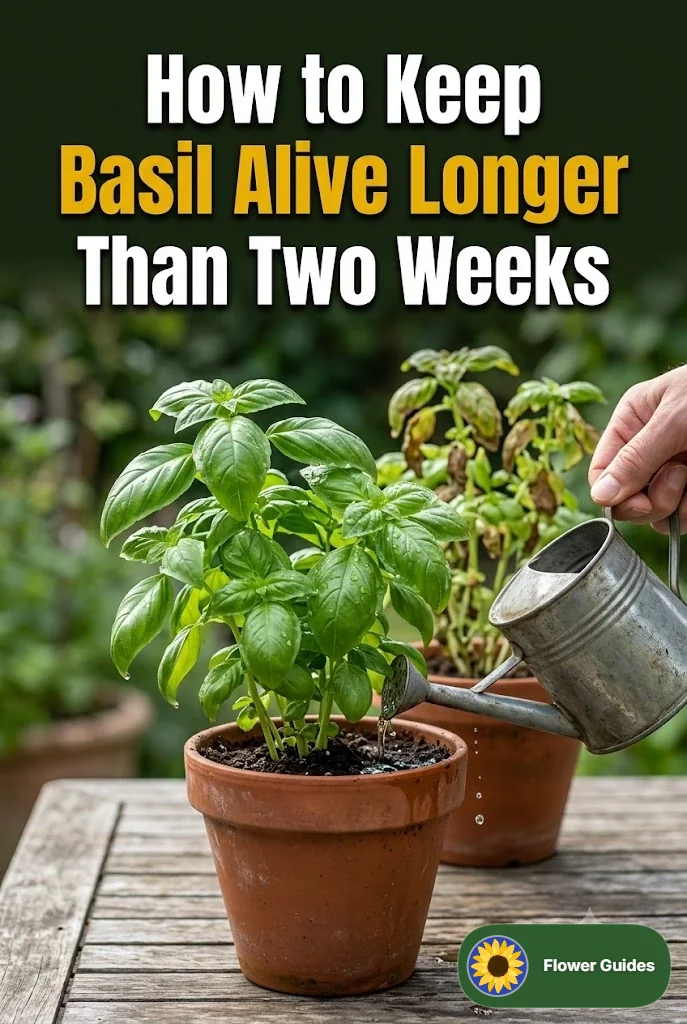
One of the most common reasons for basil decline is overwatering. Basil likes its soil to be moist but not soggy. When plants sit in waterlogged soil, their roots can suffocate and rot.
Signs of Overwatering
- Yellowing leaves, especially lower leaves
- Leaves that feel mushy or have a slimy texture
- Root rot, which can be identified by a foul smell from the soil
How to Fix It
- Allow the top inch of soil to dry out before watering again.
- Ensure your pot has drainage holes to allow excess water to escape.
- Consider using a moisture meter to gauge soil moisture levels accurately.
2. Insufficient Light: A Recipe for Disaster
Basil thrives in bright, direct sunlight. If your plant isn’t getting enough light, it can become leggy and weak, making it more susceptible to diseases and pests.
Signs of Insufficient Light
- Stunted growth or leggy stems
- Leaves turning pale or yellow
- Falling leaves
How to Fix It
- Place your basil in a sunny window where it can receive at least 6 hours of direct sunlight daily.
- If growing indoors, consider using grow lights to supplement natural light.
- Rotate the pot regularly to ensure all sides of the plant receive equal light exposure.
3. Pests: Unwanted Guests
Pests can wreak havoc on your basil plants. Common culprits include aphids, spider mites, and whiteflies. These tiny invaders suck the sap from the leaves, weakening the plant over time.
Signs of Pest Infestation
- Leaves with holes or stippling
- Sticky residue (honeydew) on leaves or surrounding surfaces
- Visible insects on the plant
How to Fix It
- Inspect your plants regularly for signs of pests.
- Use insecticidal soap or neem oil to treat infestations.
- Encourage beneficial insects, like ladybugs, which can help control pest populations.
4. Diseases: Hidden Threats
Basil is susceptible to several diseases, including downy mildew and fusarium wilt. These diseases can spread quickly and lead to the demise of your plant if not caught early.
Signs of Disease
- Wilting or yellowing leaves that do not improve with proper watering
- Dark spots or patches on leaves
- Fungal growth or a white powdery coating on leaves
How to Fix It
- Remove infected leaves immediately to prevent the spread of disease.
- Ensure good air circulation around your plants to reduce humidity levels.
- Consider planting disease-resistant basil varieties, especially in humid climates.
5. Nutrient Deficiencies: A Lack of Essentials
Basil requires specific nutrients to thrive. A deficiency, particularly in nitrogen, phosphorus, or potassium, can lead to poor growth and yellowing leaves.
Signs of Nutrient Deficiencies
- Yellowing leaves, starting from the bottom
- Pale or stunted growth
- Leaf drop
How to Fix It
- Fertilize your basil with a balanced, slow-release fertilizer every 4-6 weeks.
- Use organic compost to enrich the soil with essential nutrients.
- Test your soil regularly to monitor nutrient levels.
Expert Tips for Thriving Basil
- Prune your basil regularly to encourage bushy growth and prevent flowering, which can make leaves bitter.
- Consider companion planting with herbs like thyme or oregano to deter pests naturally.
- Harvest leaves frequently to promote continued growth and health.
Common Questions
How often should I water my basil?
Water basil when the top inch of soil feels dry. This typically translates to watering every 5-7 days, depending on your environment.
Can I grow basil indoors?
Yes! Basil can thrive indoors with sufficient sunlight. Place it near a sunny window or under grow lights.
What should I do if my basil flowers?
Pinch off the flowers to redirect energy back to leaf growth. Flowering can make the leaves taste bitter.
Conclusion
Reviving a struggling basil plant is all about identifying the underlying issue and taking the right steps to correct it. With attention to watering, light, pests, diseases, and nutrients, you can enjoy a flourishing basil that enhances your culinary creations. Embrace these tips, and soon, your basil will not just survive but thrive, filling your garden and kitchen with its delightful aroma and flavor.