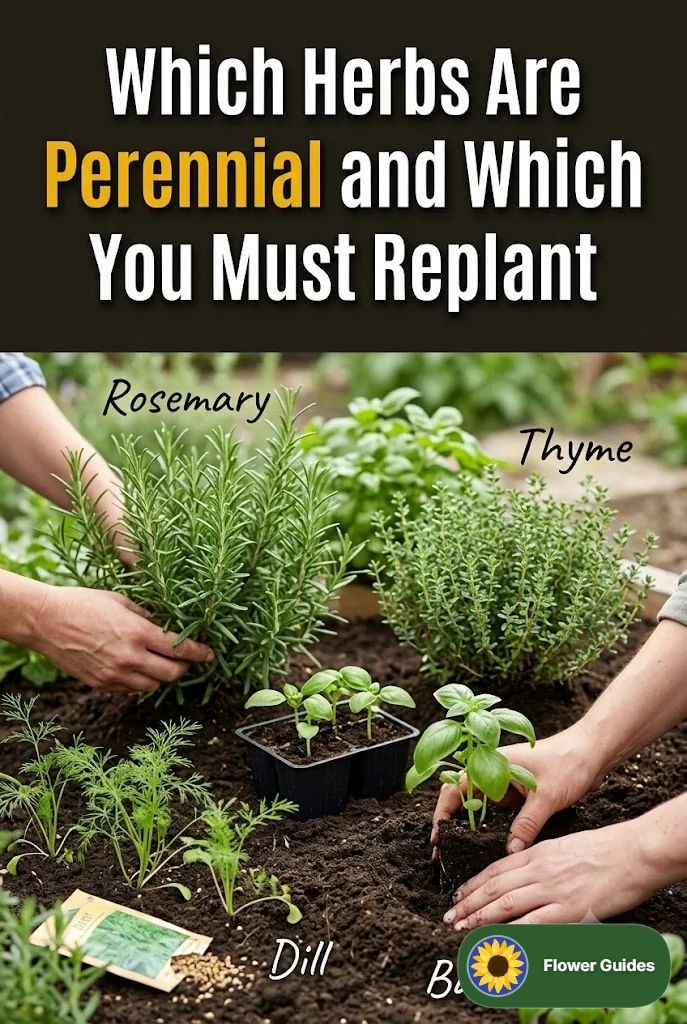
Which Herbs Are Perennial and Which You Must Replant
Gardening enthusiasts often find themselves captivated by the beauty and utility of herbs. Whether you’re a seasoned gardener or just starting, knowing which herbs are perennial can save you time, effort, and money. Perennial herbs return year after year, while others need to be replanted each season. Understanding the differences can help you create a thriving herb garden that provides fresh flavors and aromas for your kitchen.
Quick Answer
Perennial herbs, such as rosemary, thyme, and mint, come back every year without needing to be replanted. In contrast, annual herbs like basil and cilantro must be replanted each growing season to thrive.
Understanding Perennial vs. Annual Herbs
To effectively cultivate your herb garden, it’s vital to understand the distinction between perennial and annual herbs. Perennial herbs live for multiple years, while annual herbs complete their life cycle within a single growing season.
What Are Perennial Herbs?
- Definition: Perennial herbs are plants that can grow back year after year, often becoming more robust with age.
- Benefits: They require less maintenance, save you money on seeds, and provide continuous harvests.
What Are Annual Herbs?
- Definition: Annual herbs complete their life cycle in one growing season, dying off after seed production.
- Benefits: They often offer vibrant flavors and unique varieties that may not be available in perennials.
Popular Perennial Herbs
Here’s a list of some of the most popular perennial herbs that can enhance your garden and kitchen.
1. Rosemary
Rosemary is a robust herb known for its aromatic leaves. It thrives in well-drained soil and prefers full sun. Once established, it can withstand drought, making it a low-maintenance choice.
2. Thyme
This hardy herb is perfect for cooking and can tolerate poor soil. Thyme requires minimal watering and can be grown in pots or garden beds, making it versatile.
3. Mint
Mint can spread quickly, so it’s best grown in containers to control its growth. It’s perfect for teas, desserts, and garnishes, providing a refreshing flavor.
4. Oregano
Oregano thrives in sunny locations and well-drained soil. Its robust flavor enhances various dishes, especially Italian cuisine.
5. Chives
Chives are easy to grow and add a mild onion flavor to dishes. They can also produce beautiful purple flowers that attract pollinators.
Annual Herbs You Need to Replant
While perennial herbs are convenient, some annual herbs are essential for specific culinary uses. Here are a few you’ll need to replant each season.
1. Basil
Basil is a favorite among gardeners and cooks alike, known for its sweet and aromatic flavor. It prefers warm weather and should be replanted each spring.
2. Cilantro
Cilantro is often used in salsa and various dishes. It has a short growing season, so plant it every few weeks for a continuous supply.
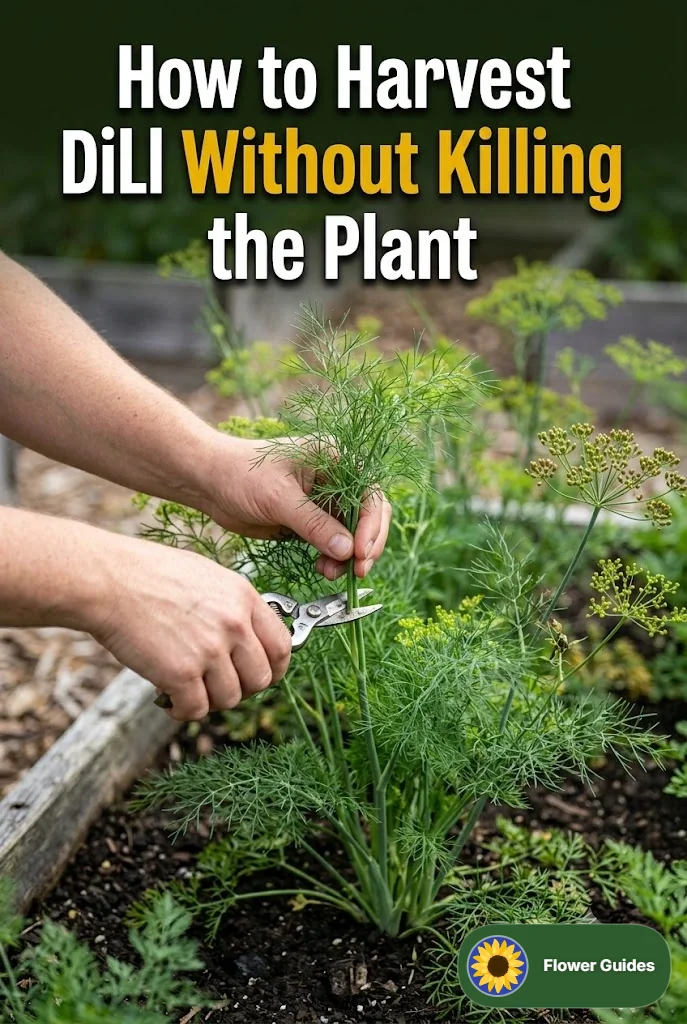
3. Dill
Dill is known for its feathery leaves and distinct flavor, often used in pickling. Like cilantro, it’s best planted every few weeks for fresh leaves.
4. Parsley
Parsley can be grown as a biennial, but many gardeners choose to treat it as an annual for fresher leaves. It thrives in cooler weather, making it suitable for spring and fall planting.
Step-by-Step Guide to Cultivating Perennial Herbs
Growing perennial herbs can be a fulfilling experience. Here’s how to start your herb garden.
Step 1: Choose the Right Location
Most perennial herbs prefer full sun (at least 6-8 hours of sunlight daily). Ensure the area is well-drained and has good air circulation.
Step 2: Prepare the Soil
- Test the soil pH (ideal is between 6.0 and 7.0).
- Add organic matter like compost to improve soil fertility.
- Ensure proper drainage to prevent root rot.
Step 3: Planting
Space your perennial herbs according to their mature size. Plant them in spring after the last frost or in fall. Water them well after planting.
Step 4: Maintenance
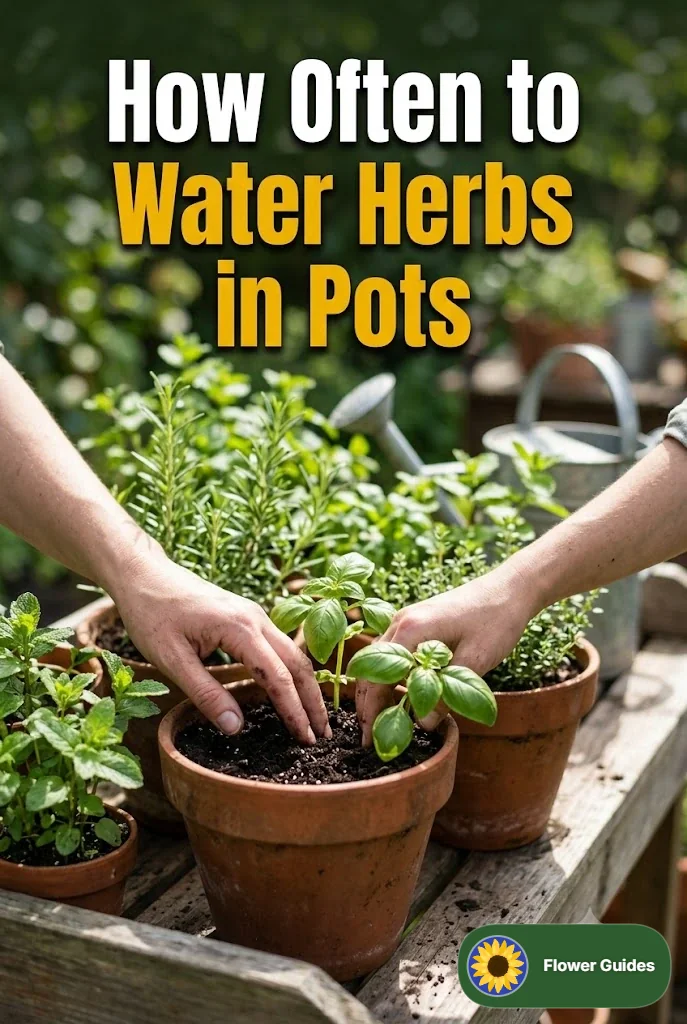
- Water regularly, especially during dry spells.
- Fertilize lightly once or twice a year using organic fertilizers.
- Prune to encourage bushy growth and prevent flowering too soon.
Pinterest-Style Ideas for Your Herb Garden
Creating a visually appealing herb garden can be inspiring. Here are some ideas to consider:
- Herb Spiral: Design a spiral garden to save space and create a stunning visual effect.
- Hanging Herb Planters: Use vertical space by hanging planters on walls or fences.
- Mixed Borders: Combine herbs with flowers and vegetables for a colorful and functional garden.
- Herb Markers: Create DIY markers for each herb to add a personal touch and make identification easy.
Expert Tips for a Thriving Herb Garden
- Companion Planting: Some herbs, like basil, can enhance the growth of nearby plants. Research which herbs can benefit each other.
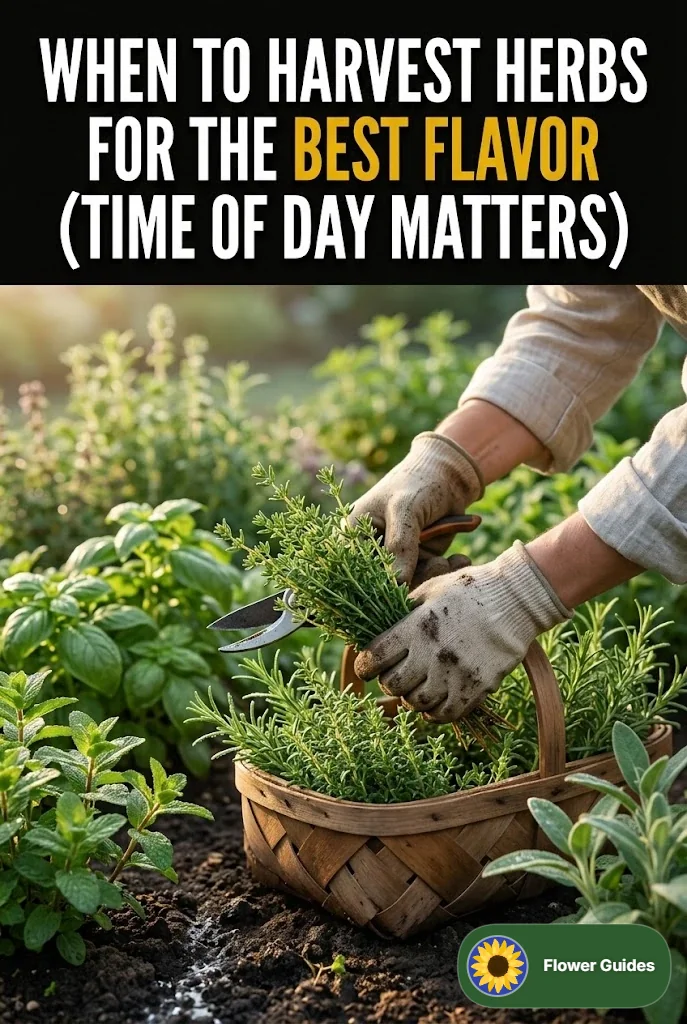
- Harvest Regularly: Frequent harvesting encourages growth and keeps your herbs lush and productive.
- Winter Care: For perennial herbs, consider mulching in winter to protect roots from frost.
Common Questions About Perennial and Annual Herbs
1. Can I grow perennial herbs indoors?
Yes, most perennial herbs can be successfully grown indoors. Ensure they receive adequate sunlight and are planted in well-draining pots.
2. How do I overwinter my perennial herbs?
Mulching and protecting them from harsh weather can help. Container herbs can be brought indoors during colder months.
3. Do perennial herbs need to be divided?
Yes, many perennial herbs benefit from division every few years to encourage healthy growth and prevent overcrowding.
Conclusion
Understanding which herbs are perennial and which require replanting is crucial for any gardener. By incorporating a mix of both types, you can enjoy a vibrant and productive herb garden throughout the seasons. Whether you’re cooking, crafting herbal remedies, or simply enjoying the scents, perennial herbs can bring a lasting joy to your gardening experience. Happy gardening!