Do Peonies Need Ants to Bloom?
Peonies are beloved for their stunning blooms and delightful fragrance, making them a staple in many gardens. However, there’s a common myth that these beautiful flowers need ants to thrive and bloom properly. This belief has led many gardeners to wonder whether they should be welcoming ants into their gardens or trying to keep them away. Let’s dig into the relationship between peonies and ants, uncover the truth behind this myth, and explore how to care for these magnificent plants.
Do Peonies Really Need Ants?
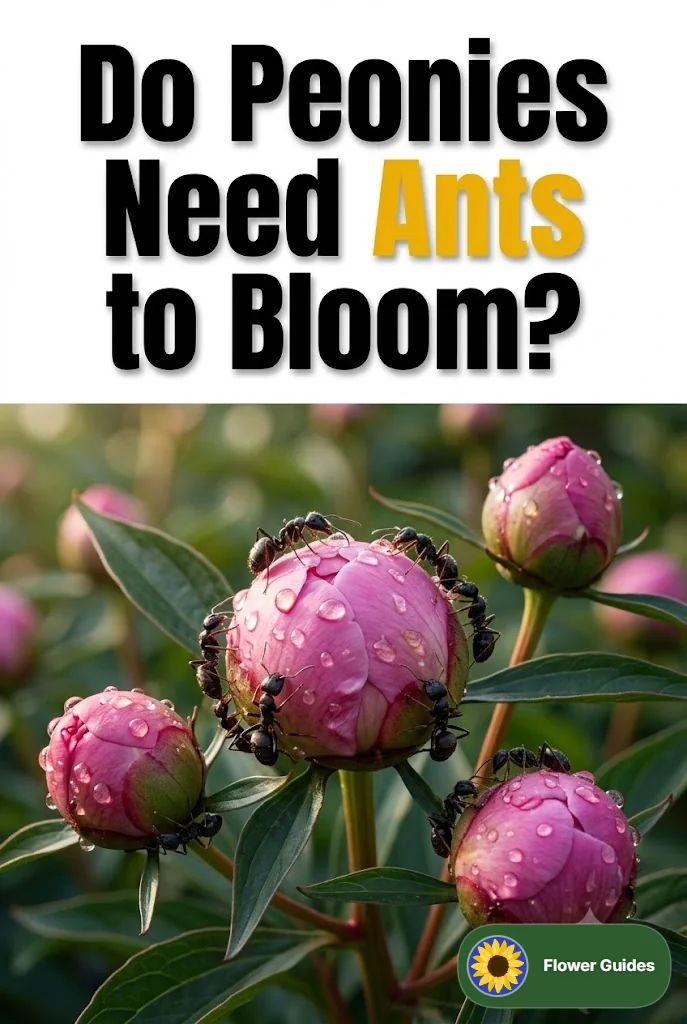
The short answer is no, peonies do not need ants to bloom. This myth likely stems from the observation that ants are often seen on peony buds in the spring. Ants are attracted to the sugary secretion produced by peony buds, known as nectar, rather than any essential role they play in the blooming process. While ants can help keep pests at bay, they are not necessary for the blooming of peonies.
Understanding the Ant-Peony Relationship
To fully understand the ant-peony relationship, it’s essential to explore the reasons why ants are often present around these flowers:
- Nectar Attraction: As mentioned, ants are drawn to the nectar produced by peony buds. This sweet substance serves as a food source for the ants, who may protect the buds from other pests that could harm the plant.
- Pest Control: While ants may help keep some pests away, their presence is not crucial. In fact, they may also protect aphids, which can harm plants. It’s a trade-off that gardeners should consider.
- Visual Association: The sight of ants around peony buds has created a visual association, leading many to believe they are necessary for the plant’s development.
How to Care for Peonies for Optimal Blooming
Now that we’ve debunked the myth about ants, let’s focus on how to care for your peonies to ensure they bloom beautifully. Here are some essential tips:
1. Choosing the Right Location
Peonies prefer full sun, which means they thrive best when they receive at least six hours of sunlight each day. When selecting a location, consider the following:
- Well-Drained Soil: Peonies do not like standing water, so choose a spot with well-drained soil. Amend heavy clay soil with compost to improve drainage.
- Air Circulation: Ensure there’s good air circulation around your plants to prevent fungal diseases.
2. Proper Planting Techniques
When planting peonies, follow these steps for best results:
- Choose healthy, strong roots. Look for roots with at least three “eyes” or buds.
- Plant them in the fall or early spring. If planting in the spring, do so as soon as the soil is workable.
- Dig a hole that is about 2 feet wide and 18 inches deep. Place the roots in the hole with the eyes facing upward and cover them with about 1-2 inches of soil.
3. Watering and Fertilizing
Watering and fertilizing are crucial for peony health:
- Watering: Peonies need regular watering, especially during dry spells. Aim for 1 inch of water per week, either from rainfall or irrigation.
- Fertilizing: Use a balanced, slow-release fertilizer in early spring as new growth appears. Avoid high-nitrogen fertilizers, which can lead to excess foliage with fewer blooms.
4. Supporting Your Peonies
Some peony varieties can be heavy with blooms, requiring support to prevent them from flopping over:
- Staking: Use stakes or peony supports early in the growing season to help hold the stems upright.
- Spacing: When planting multiple peonies, space them appropriately to allow for air circulation and support.
Pinterest-Style Ideas for Peony Displays
Peonies are not just beautiful on their own; they can also enhance your garden and home decor. Here are some creative ideas for showcasing your peonies:
- Mixed Bouquets: Pair peonies with complementary flowers such as roses, hydrangeas, or delphiniums for stunning arrangements.
- Garden Borders: Plant peonies along garden borders for a colorful and fragrant display.
- Seasonal Centerpieces: Use peonies in seasonal centerpieces for your dining table, adding elegance to any meal.
- Photography Backdrop: Create a picturesque corner in your garden with peonies as a backdrop for family photos.
Expert Tips for Peony Care
Here are some insider tips that can help elevate your peony gardening game:
- Deadheading: After blooming, deadhead peonies to encourage new growth and improve the plant’s overall appearance.
- Dividing Roots: If your peonies show signs of overcrowding, consider dividing them every 5-10 years. This not only rejuvenates the plants but also allows you to propagate new ones.
- Winter Protection: In colder regions, apply a layer of mulch in the fall to protect the roots from freezing temperatures.
Common Questions About Peonies and Ants
Do ants harm peonies?
No, ants generally do not harm peonies. They are attracted to the nectar but do not play a role in the blooming process.
Can I get rid of ants around my peonies?
If you prefer to keep ants away, you can use insecticidal soap or diatomaceous earth to deter them without harming the peonies.
Why are my peonies not blooming?
Peonies may not bloom due to improper planting depth, insufficient sunlight, or excessive nitrogen in the soil.
How long do peonies bloom?
Peonies typically bloom for 7-10 days, depending on the variety and environmental conditions.
When should I cut peonies for arrangements?
Cut peonies in the morning when the buds are still tight and just beginning to show color for the longest vase life.
Conclusion
While ants may be a common sight among peonies, they are not essential for these stunning flowers to bloom. Understanding how to care for your peonies will ensure that they thrive and produce beautiful blooms year after year. So, focus on providing the right environment and support for your peonies, and enjoy the spectacular show they will put on in your garden!