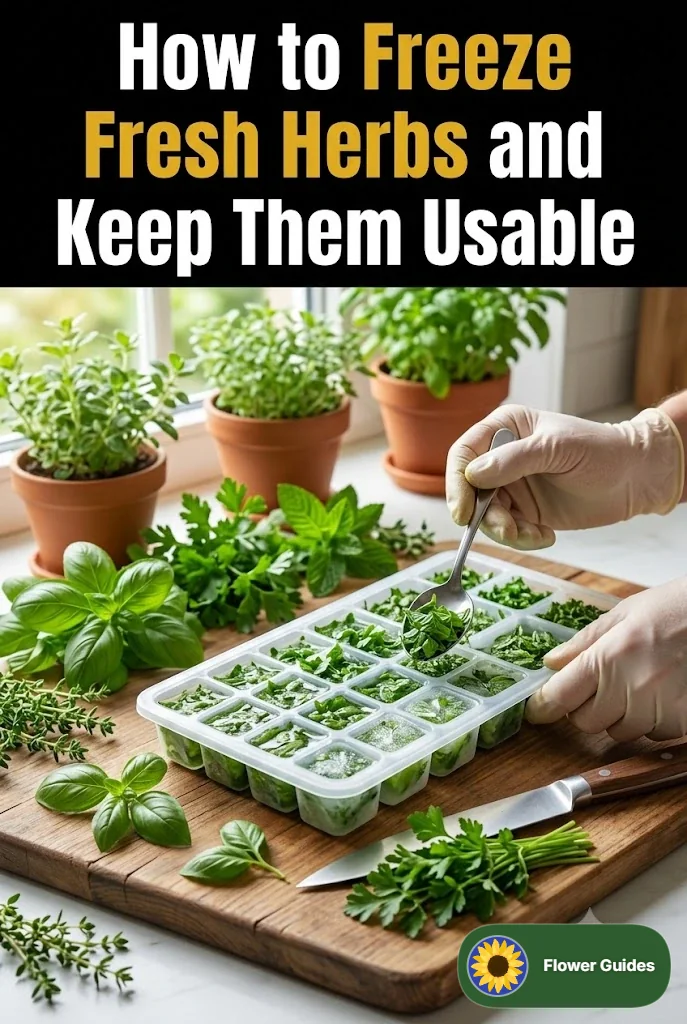
How to Freeze Fresh Herbs and Keep Them Usable
Freezing fresh herbs is a fantastic way to preserve their vibrant flavors and aromas for use throughout the year. Whether you’re an avid cook or a casual meal preparer, having frozen herbs on hand can elevate your dishes, making them taste fresh and delicious even when herbs are out of season. But how do you properly freeze these culinary gems and ensure they remain usable? Let’s explore effective methods, tips, and tricks to keep your herbs fresh and flavorful long after they’ve been harvested.
Quick Answer
To freeze fresh herbs, wash and dry them thoroughly, chop if desired, and use either ice cube trays with water or oil, or pack them in freezer bags. Properly frozen herbs can retain their flavor for up to six months.
Choosing the Right Herbs for Freezing
Not all herbs freeze equally well. Here’s a quick guide to which herbs freeze best and how to prepare them:
Best Herbs for Freezing
- Basil: Great for pesto; freeze in oil for best results.
- Parsley: Chopped and frozen, it retains its flavor well.
- Cilantro: Can be frozen similarly to parsley.
- Thyme: Freezes well; consider leaving the leaves on the stem.
- Mint: Excellent in desserts and drinks, can be frozen whole or chopped.
Herbs to Avoid Freezing
- Rosemary: Can become woody and lose flavor.
- Sage: Often turns brown and loses its texture.
- Chives: Best used fresh, but can be frozen if necessary.
Step-by-Step Guide to Freezing Fresh Herbs
Follow these steps to ensure your herbs maintain their flavor and texture when frozen:
Step 1: Harvesting and Preparing Herbs
- Choose healthy, vibrant herbs with no signs of wilting or discoloration.
- Wash the herbs gently under cold water to remove dirt and insects.
- Pat dry with a clean kitchen towel or use a salad spinner to remove excess moisture.
Step 2: Chopping or Leaving Whole
Decide whether you want to chop the herbs or leave them whole:
- Chopped: Ideal for quick use in cooking. Chop finely or coarsely based on preference.
- Whole: Best for herbs like basil or mint if you plan to use them in larger quantities.
Step 3: Freezing Methods
There are a couple of popular methods to freeze herbs:
Method 1: Ice Cube Trays
- Fill each section of an ice cube tray with chopped herbs.
- Add water or olive oil until the herbs are submerged.
- Cover the tray with plastic wrap and freeze until solid.
- Pop the cubes out and store them in a labeled freezer bag.
Method 2: Freezer Bags
- Place the chopped or whole herbs in a freezer-safe bag.
- Remove as much air as possible before sealing.
- Label the bag with the herb name and date, then lay it flat in the freezer.
Pro Tips for Best Results
Here are some insider tips to help you freeze your herbs like a pro:
- Use silicone trays: They allow for easier removal of frozen cubes.
- Label everything: Include the herb type and date to avoid confusion later.
- Consider oil: Freezing herbs in oil can enhance their flavor and prevent freezer burn.
- Blanching: Briefly blanching herbs like basil before freezing can help preserve their bright color.
Pinterest-Style Ideas for Using Frozen Herbs
Once you have your herbs frozen, here are some creative ways to use them:
- Herb-infused oils: Use your frozen herb cubes to create flavored oils for dressings.
- Sauces and soups: Toss a cube into your pot for instant flavor.
- Herb butter: Blend frozen herbs with softened butter for a delicious compound butter.
- Herb tea: Use frozen mint or basil cubes in hot water for a refreshing drink.
Common Questions (FAQ)
Can I freeze all types of herbs?
While most herbs freeze well, some may lose flavor or texture. It’s best to avoid freezing woody herbs like rosemary and sage.
How long do frozen herbs last?
Frozen herbs can last for about six months while maintaining their flavor. After that, they may still be usable but will lose potency.
Can I use frozen herbs directly in cooking?
Yes! You can add frozen herbs directly to your dishes without thawing. They will defrost quickly in hot meals.
Is it better to freeze herbs in water or oil?
Freezing in oil can enhance flavor retention and prevent freezer burn, making it a preferred method for many cooks.
Conclusion
Freezing fresh herbs is an easy and effective way to keep your culinary creations vibrant and flavorful. With just a bit of preparation and the right methods, you can enjoy the taste of summer herbs all year round. So grab your favorite herbs, get freezing, and elevate your cooking with these flavorful treasures!