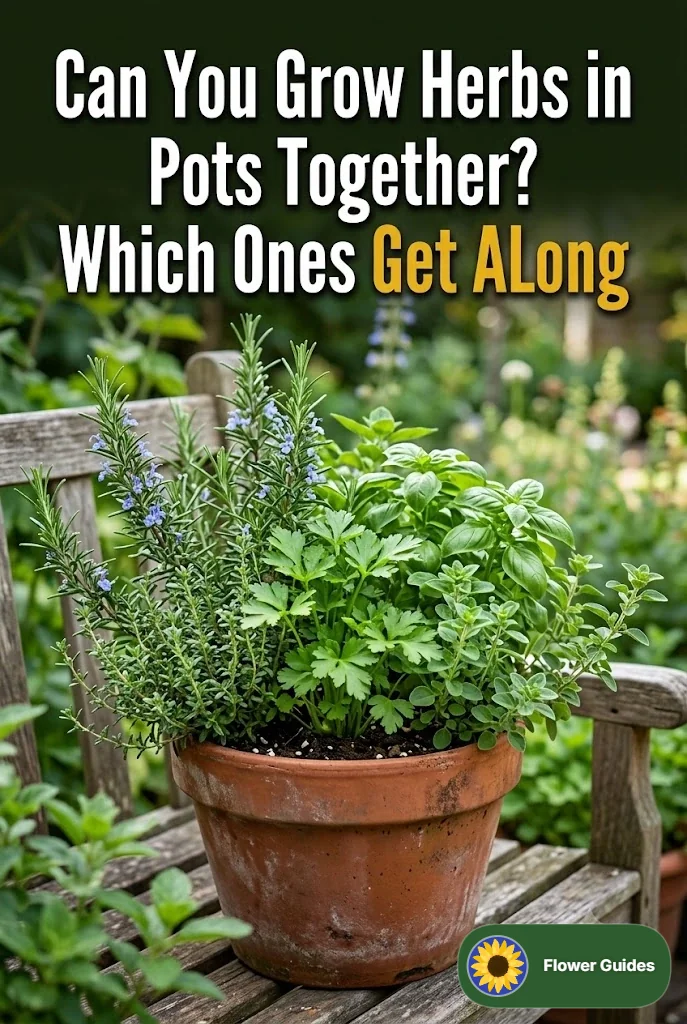
Can You Grow Herbs in Pots Together? Which Ones Get Along
Growing herbs in pots is a delightful way to bring fresh flavors to your cooking while adding greenery to your home. However, if you’re thinking about planting herbs together, you might wonder which combinations work well and which ones clash. The good news is that many herbs thrive together in the same pot, creating a beautiful and functional mini-garden. Let’s explore how to successfully grow herbs in pots together, ensuring they not only coexist peacefully but also flourish.
Quick Answer
Yes, you can grow herbs in pots together! Opt for companion herbs that share similar water and light needs, such as basil, chives, and parsley. Avoid planting herbs that can compete for resources or have conflicting growth habits, like mint and rosemary.
Understanding the Basics of Herb Companionship
Before diving into which herbs can be planted together, it’s essential to understand a few key factors that affect their growth:
- Water Needs: Some herbs prefer moist soil, while others thrive in drier conditions.
- Light Requirements: Most herbs love full sun, but some can tolerate partial shade.
- Growth Habits: Consider whether an herb is aggressive or sprawling, as this can affect neighboring plants.
Best Herb Combinations for Pots
Now, let’s look at some excellent herb pairings that work well together in pots. These combinations are chosen based on their similar growing conditions and complementary flavors.
Basil, Oregano, and Thyme
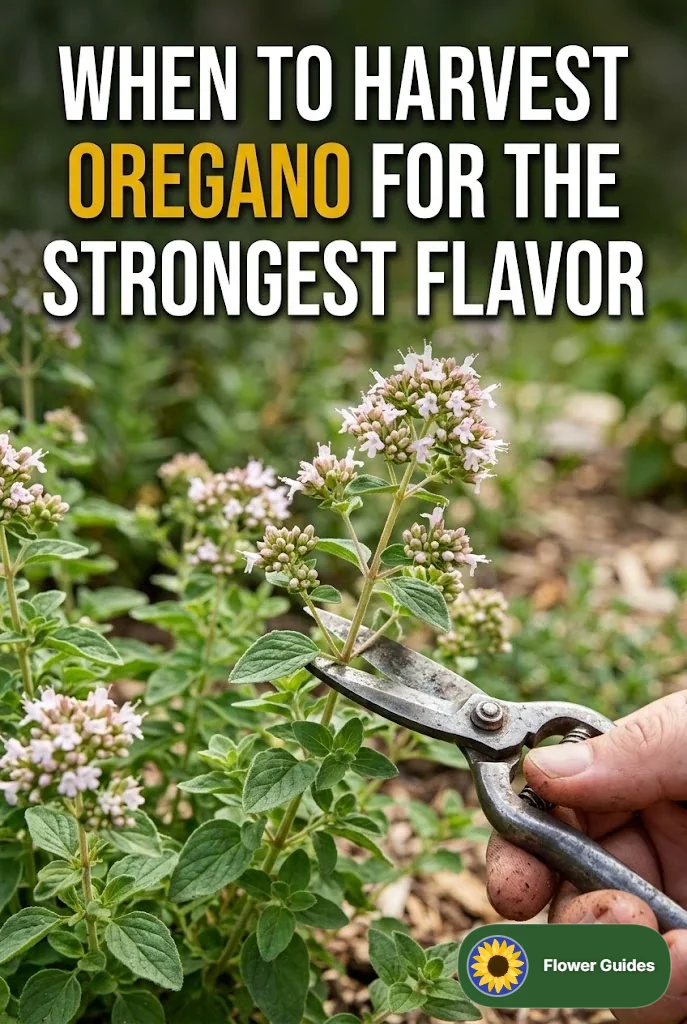
This trio thrives in full sun and well-draining soil. Basil loves warmth, while oregano and thyme are hardy herbs that add depth to your dishes. Together, they create a fragrant pot that’s perfect for Italian cuisine.
Chives and Parsley
Chives and parsley are a great match, enjoying similar watering needs and full sun exposure. Chives bring a mild onion flavor, while parsley offers a fresh, crisp taste. This combination is perfect for garnishing salads and soups.
Cilantro and Dill
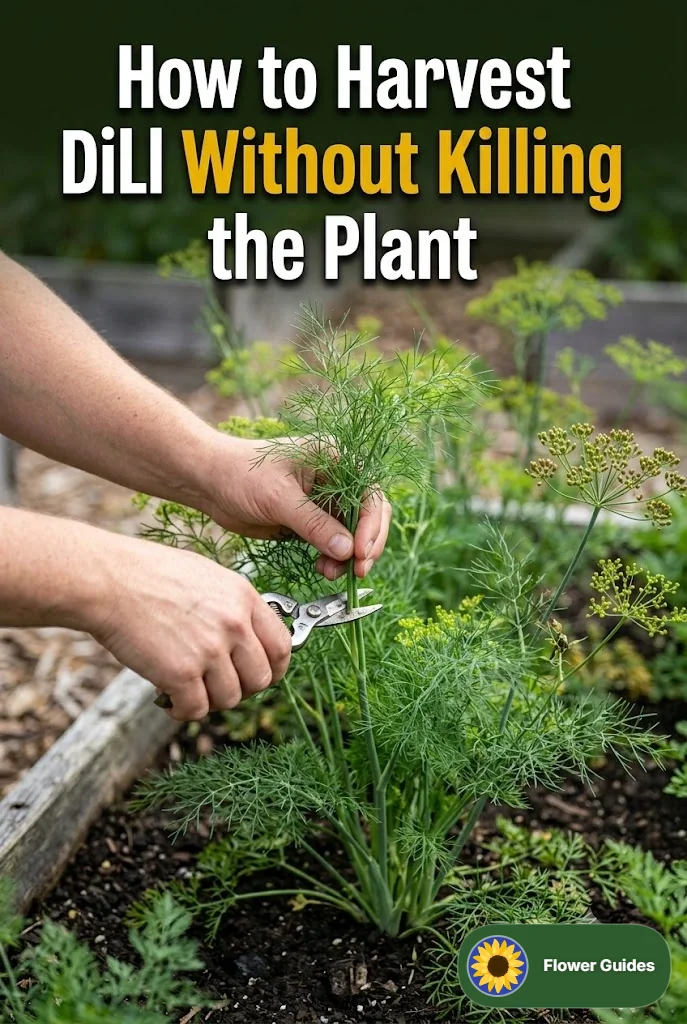
Both cilantro and dill enjoy well-drained soil and a sunny location. They can grow together harmoniously, adding unique flavors to your culinary creations. Use them in salsas, dressings, or as fresh toppings for various dishes.
Herbs to Avoid Planting Together
While many herbs get along, some combinations can lead to competition and poor growth. Here are a few pairings to avoid:
Mint and Anything Else
Mint is notorious for its aggressive growth. It can quickly take over any pot, suffocating neighboring herbs. If you want to grow mint, it’s best to plant it in its own container.
Rosemary and Basil
These two herbs have very different water requirements. Rosemary prefers drier conditions, while basil likes moist soil. Planting them together can lead to one herb thriving while the other struggles.
Thyme and Sage
Though both are Mediterranean herbs, thyme prefers slightly moist soil, while sage thrives in drier conditions. This difference can cause issues in a shared pot.
Tips for Growing Herbs in Pots Together
To make the most of your herb garden, keep the following tips in mind:
Select the Right Container
Choose a pot that is large enough to accommodate the herbs’ root systems. A container with good drainage holes is crucial to prevent waterlogging.
Use Quality Potting Mix
A light and well-draining potting mix is essential for healthy herb growth. Consider mixing in some perlite or sand to improve drainage.
Water Wisely
Water your herbs according to their specific needs. Check the moisture level of the soil before watering, as overwatering can lead to root rot.
Rotate Your Herbs
As your herbs grow, they may need rearranging based on their height and light needs. Make sure taller herbs do not shade shorter ones.
Pinterest-Style Ideas for Your Herb Garden
Here are some visually appealing ideas to inspire your herb garden:
- Vertical Garden: Use wall-mounted planters to create an eye-catching herb wall, perfect for small spaces.
- Herb Spiral: Build a spiral garden with varying heights to accommodate different herbs and maximize sunlight exposure.
- Colorful Combinations: Pair colorful pots with vibrant herbs like purple basil, bright green chives, and deep green parsley for a stunning display.
- Herb Bouquet: Create a bouquet of herbs in a mason jar for a unique kitchen centerpiece.
Expert Tips for Successful Herb Gardening
Here are some lesser-known tips to enhance your herb gardening experience:
- Harvest Regularly: Regularly snipping your herbs not only encourages growth but also prevents them from becoming woody.
- Fertilize Sparingly: Herbs generally thrive with minimal fertilization. Use a diluted, balanced fertilizer every few weeks during the growing season.
- Monitor for Pests: Keep an eye out for pests like aphids and spider mites. Neem oil is a gentle yet effective solution for pest management.
Common Questions about Growing Herbs Together
Can I grow herbs indoors in pots?
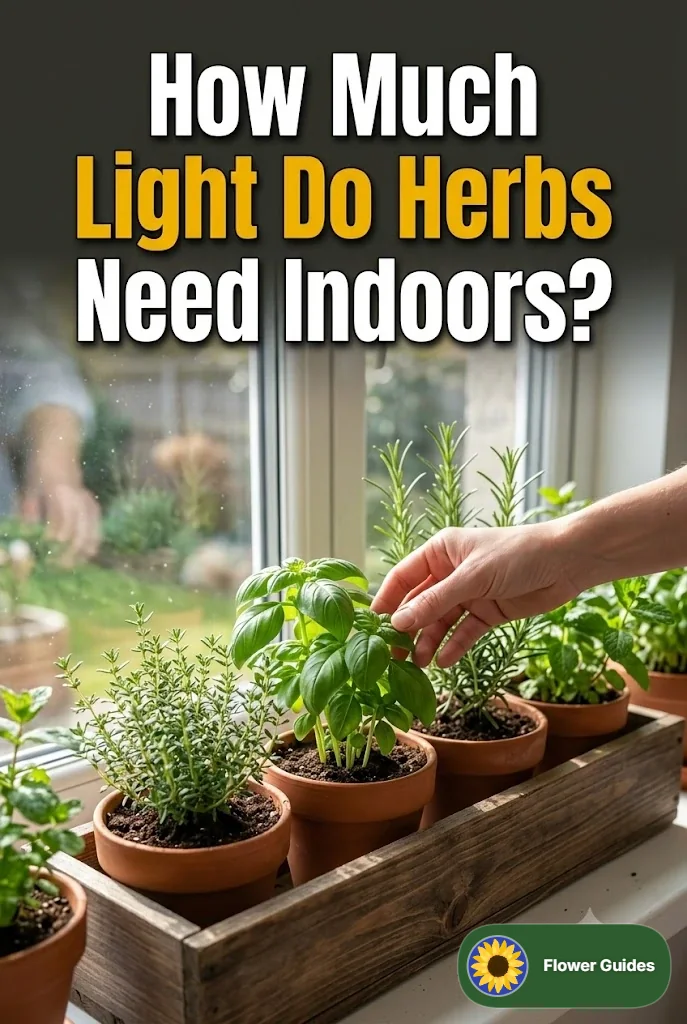
Absolutely! Many herbs thrive indoors as long as they receive sufficient sunlight. A south-facing window is ideal.
How much sunlight do herbs need?
Most herbs require at least 6 hours of direct sunlight daily. If growing indoors, consider using grow lights during the winter months.
Can I use regular garden soil for potted herbs?
It’s best to use a high-quality potting mix designed for container gardening. Regular garden soil can become compacted and may not drain well.
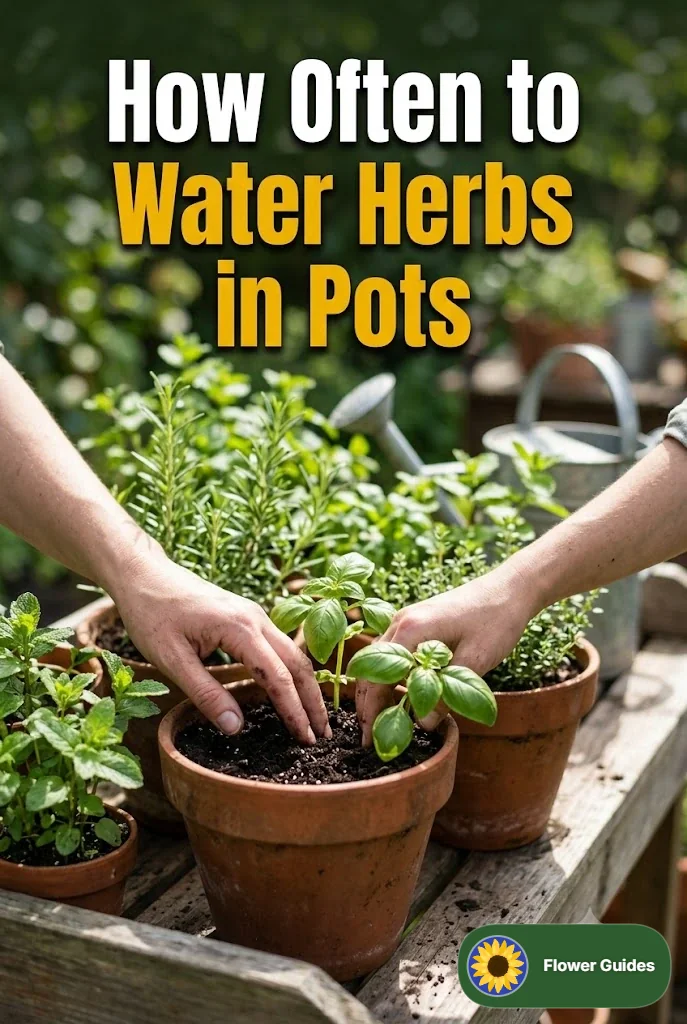
How often should I water my herbs in pots?
Watering frequency will depend on the specific herbs and your climate. Generally, check the soil moisture and water when the top inch feels dry.
Conclusion
Growing herbs in pots together is not only possible but can also be a rewarding experience. By selecting compatible herbs and following a few simple guidelines, you can create a thriving herb garden that adds flavor and beauty to your home. Start experimenting with different combinations, and soon you’ll have a flourishing pot of fresh herbs right at your fingertips!