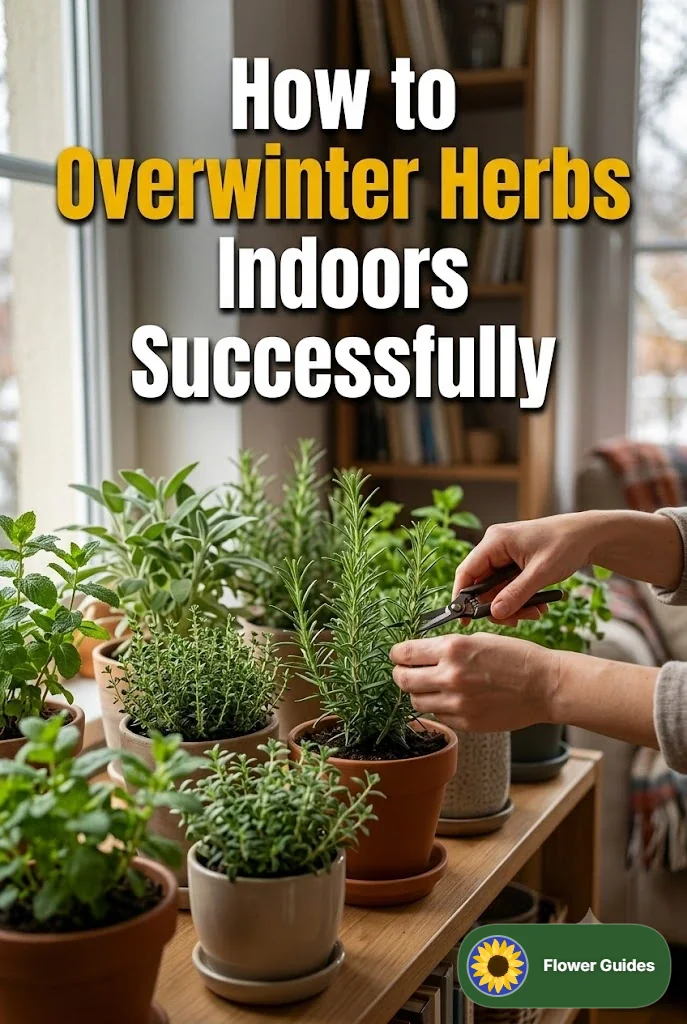
How to Overwinter Herbs Indoors Successfully
As the chill of winter sets in, many gardeners face the dilemma of how to keep their beloved herbs alive indoors. It’s disheartening to see fresh basil, parsley, or thyme wilt away when the temperatures drop. Fortunately, with a bit of knowledge and care, you can successfully overwinter your herbs indoors, ensuring a steady supply of fresh flavors all season long. This guide will provide you with actionable steps, tips, and insights to make your indoor herb garden thrive during the winter months.
Why Overwintering Herbs is Important
Herbs are not just seasonal plants; they can bring vibrant flavors and aromas to your kitchen year-round. Overwintering allows you to enjoy fresh herbs when they are scarce in the garden. Plus, it saves you money and effort, as you won’t need to replant your herbs each spring. By learning how to care for these plants indoors, you can maintain their health and productivity.
Quick Answer
To overwinter herbs indoors successfully, choose the right herbs, provide adequate light, maintain proper humidity, and ensure a suitable temperature. Regular watering and occasional fertilizing will also help your herbs thrive throughout the winter months.
Selecting the Right Herbs
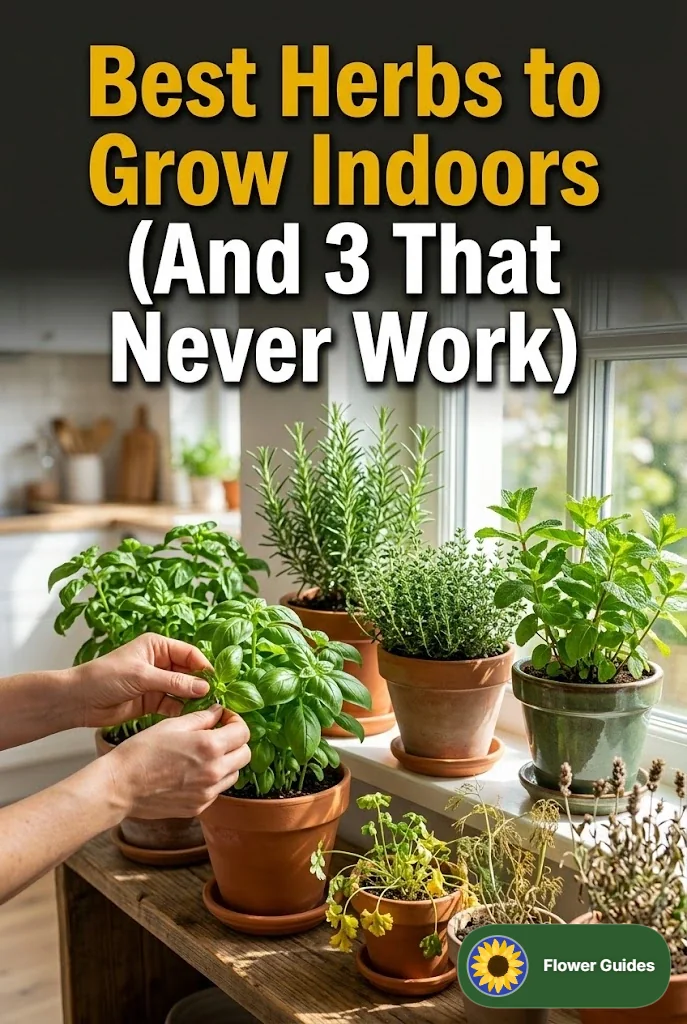
Not all herbs are suited for indoor overwintering, but many popular varieties can flourish. Here are some herbs that typically do well:
- Basil: Thrives in bright light and warmth.
- Parsley: A hardy herb that adapts well to indoor conditions.
- Thyme: Prefers well-drained soil and moderate light.
- Oregano: A resilient herb that can survive with minimal care.
- Mint: Grows well indoors, but keep it contained.
Preparing Your Herbs for Indoors
1. Timing is Key
Begin the process a few weeks before the first frost. This allows your herbs to acclimate gradually to indoor conditions. The shock from sudden temperature changes can be detrimental.
2. Prune Your Herbs
Before bringing your herbs indoors, prune them back. This encourages new growth and helps the plants focus their energy on developing roots in their new environment. Remove any dead or yellowing leaves to promote healthy growth.
Creating the Ideal Indoor Environment
Once you’ve brought your herbs indoors, it’s crucial to replicate their natural environment as closely as possible. Here’s how:
1. Light Requirements
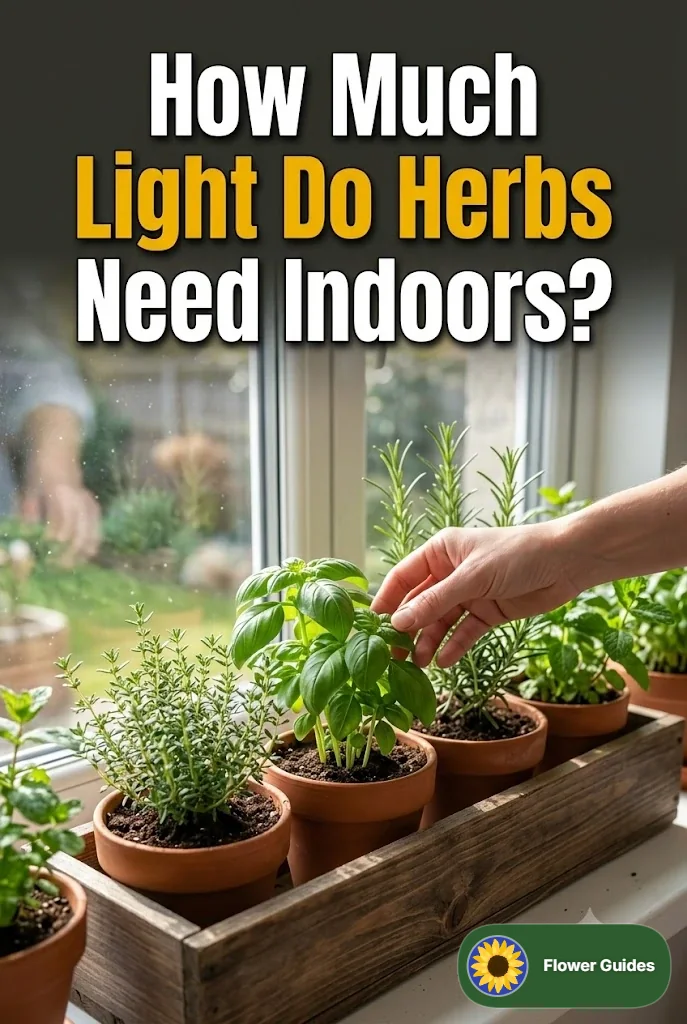
Most herbs require at least 6-8 hours of sunlight daily. If you lack natural light, consider using grow lights. Position the lights about 6 inches above the plants and keep them on for 12-16 hours a day. Rotate your pots weekly to ensure even light exposure.
2. Temperature Control
Herbs generally prefer temperatures between 65°F to 70°F (18°C to 21°C). Avoid placing them near drafty windows or heating vents, as fluctuating temperatures can stress the plants.
3. Humidity Levels
Indoor air can often be dry, especially in winter. Herbs thrive in higher humidity levels. To boost humidity:
- Group your herbs together to create a microclimate.
- Use a humidity tray filled with water and pebbles.
- Consider misting the leaves occasionally.
Watering and Feeding Your Indoor Herbs
Watering indoor herbs requires a different approach than outdoor gardening. Here are the essentials:
1. Water Wisely
Overwatering is a common mistake. Always check the top inch of the soil before watering; if it feels dry, it’s time to water. Use pots with drainage holes to prevent waterlogging, which can lead to root rot.
2. Fertilizing
During the winter months, herbs grow more slowly and may not require as much fertilizer. Use a balanced liquid fertilizer every 4-6 weeks, but dilute it to half-strength to avoid burning the roots. This will provide essential nutrients without overwhelming the plants.
Common Mistakes to Avoid
Even seasoned gardeners can make errors when overwintering herbs indoors. Here are some pitfalls to watch out for:
- Ignoring Pest Control: Indoor herbs can attract pests like aphids and spider mites. Regularly inspect your plants and treat any infestations early.
- Inconsistent Care: Maintain a consistent watering and feeding schedule. Fluctuations can stress your plants and hinder growth.
- Neglecting Air Circulation: Stagnant air can lead to fungal diseases. Ensure proper air circulation by placing herbs in a well-ventilated area.
Expert Tips for Thriving Indoor Herbs
Here are some insider tips to help your indoor herbs flourish:
- Consider using self-watering pots to help manage moisture levels.
- Rotate your herbs every few weeks to promote even growth and prevent legginess.
- Take cuttings from your herbs to propagate new plants, ensuring you always have fresh herbs available.
Common Questions
1. How can I tell if my indoor herbs are getting enough light?
If your herbs are stretching toward the light or have pale leaves, they likely need more sunlight. Adjust their position or supplement with grow lights.
2. Can I overwinter all herbs indoors?
Not all herbs are suitable for overwintering indoors. While basil, parsley, and mint do well, some herbs like rosemary may struggle without proper care.
3. How often should I water my indoor herbs?
Water when the top inch of soil feels dry. Typically, this means watering once a week, but it can vary based on the humidity and temperature in your home.
Conclusion
Successfully overwintering herbs indoors is an achievable goal with the right preparation and care. By providing adequate light, temperature, and humidity, along with proper watering and feeding practices, your herbs can thrive throughout winter. Embrace the joy of having fresh herbs at your fingertips, and let your indoor garden flourish even in the coldest months!