Do Castor Oil Mole Repellents Work?
Are you tired of dealing with pesky moles ruining your garden or lawn? Many gardeners are on a continuous quest to find effective solutions that deter these burrowing nuisances. One popular option that often comes up is castor oil. But does it really work as a mole repellent? Let’s dig deep into this topic to uncover the truth behind castor oil and its effectiveness in keeping moles at bay.
Quick Answer
Castor oil can help repel moles due to its strong odor and taste, which many animals find unpleasant. While it may not completely eliminate moles from your garden, it can be an effective part of a broader pest control strategy.
Understanding Moles and Their Habits
To effectively manage moles, it’s essential to understand their behavior. Moles are small, burrowing mammals that primarily feed on insects and worms found in the soil. Their tunneling habits can lead to unsightly bumps and holes on your lawn or garden.
Why Use Natural Repellents?
Many gardeners prefer natural solutions to chemical pesticides for several reasons:
- Eco-friendly: Natural repellents like castor oil are less likely to harm beneficial insects or plants.
- Safe for pets and children: Chemical repellents may pose health risks to pets and kids, making natural alternatives more appealing.
- Cost-effective: Castor oil is relatively inexpensive and easy to find, making it a budget-friendly option.
How Does Castor Oil Work?
Castor oil is derived from the seeds of the castor oil plant and has a strong, distinct odor that is off-putting to many animals, including moles. The oil can also affect the taste of the soil, making it unappealing for moles to dig and feed in treated areas.
Application Methods
To use castor oil effectively, consider these methods:
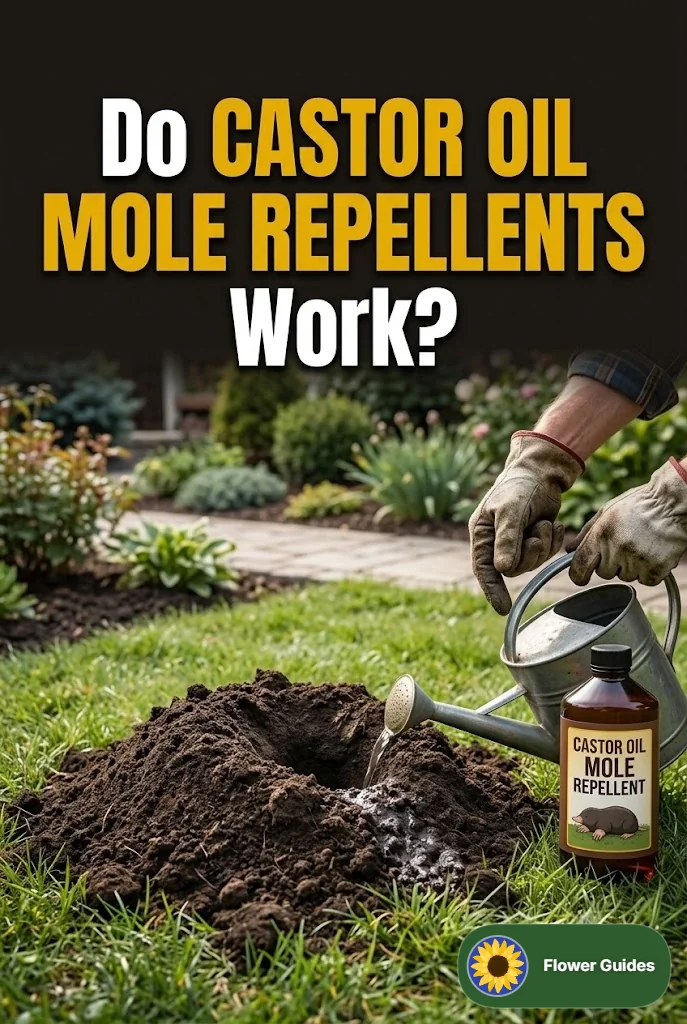
- Soil Drench: Mix one cup of castor oil with one gallon of water. Pour the mixture into areas where moles are active.
- Spray Application: Use a spray bottle to apply a diluted solution (1 cup of castor oil to 1 gallon of water) directly onto mole hills and burrows.
- Granular Method: Mix castor oil with sand or granules and spread it over your lawn or garden to enhance its effectiveness.
Effectiveness of Castor Oil as a Mole Repellent
The effectiveness of castor oil can vary based on several factors:
Factors Influencing Effectiveness
- Frequency of Application: Regular reapplication, especially after heavy rain, is essential for maintaining its effectiveness.
- Soil Type: Sandy or loose soils may allow the scent to dissipate more quickly compared to heavier, clay soils.
- Existing Mole Population: If the mole population is already established, it may take time for castor oil to deter them.
Combining Castor Oil with Other Methods
While castor oil can deter moles, combining it with other methods often yields the best results. Here are some additional strategies:
Physical Barriers
Installing underground barriers made of wire mesh or hardware cloth can prevent moles from entering specific areas of your garden.
Traps
If moles are already present, using traps designed for moles can effectively reduce their population. This method requires knowledge of trapping techniques to be successful.
Natural Predators
Encouraging natural predators like owls, hawks, and snakes in your garden can help control the mole population. Consider installing birdhouses or perches to attract these helpful animals.
Pinterest-Style Ideas for Using Castor Oil
Incorporating castor oil into your garden routine can be visually inspiring. Here are some catchy ideas:
- Castor Oil Garden Spray: Create a colorful spray bottle with a mix of castor oil and water for a chic, functional garden accessory.
- DIY Mole Repellent Kit: Assemble a kit with castor oil, a spray bottle, and garden gloves for a complete mole management solution.
- Garden Signs: Make whimsical signs to mark areas treated with castor oil, adding a personal touch while keeping moles away.
Expert Tips for Enhanced Effectiveness
Here are some insider tips to make your castor oil application more efficient:
- Mix with Other Oils: Combining castor oil with peppermint or clove oil can enhance its repellent properties.
- Timing Matters: Apply castor oil in early spring or fall when moles are most active.
- Monitor Results: Keep an eye on mole activity and adjust your approach based on their behavior.
Common Questions
1. How long does castor oil last as a repellent?
Castor oil’s effectiveness can last for several weeks but may diminish after heavy rainfall. Regular reapplication is necessary.
2. Can castor oil harm my plants?
Castor oil is generally safe for plants when used as directed. However, it’s always best to test a small area first.
3. What other pests does castor oil repel?
Besides moles, castor oil may also deter rabbits, deer, and some insects, making it a versatile addition to your pest control arsenal.
Conclusion
Castor oil can indeed play a role in repelling moles, especially when combined with other methods and applied consistently. Embracing a holistic approach to pest management, incorporating both natural and physical deterrents, will create a healthier garden environment. Try out castor oil and see how it can help maintain your garden’s beauty and integrity!