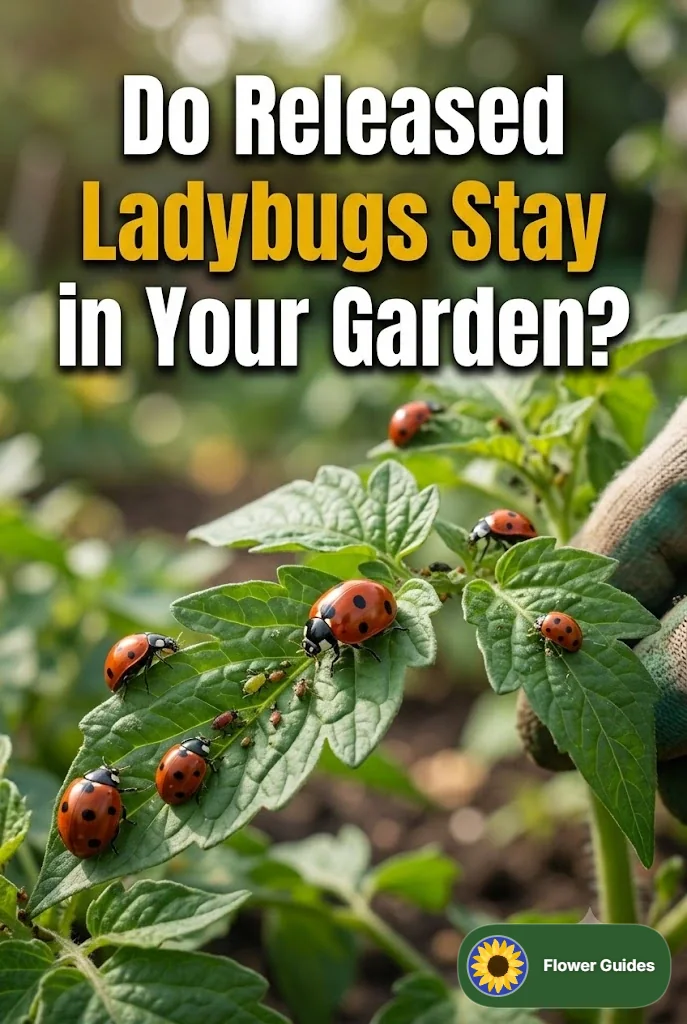
Do Released Ladybugs Stay in Your Garden?
Imagine stepping into your garden and seeing it alive with vibrant colors and buzzing activity. You’ve just released a batch of ladybugs, those charming little beetles known for their appetite for aphids. But as you watch them flutter away, a question lingers: do these beneficial insects stick around, or do they drift off to greener pastures? Understanding the behavior of released ladybugs can help you maximize their benefits and create a flourishing garden ecosystem.
Quick Answer
Released ladybugs may not stay in your garden permanently. While they will initially settle in and help control pests, various factors such as food availability, habitat, and environmental conditions influence their tendency to leave.
The Appeal of Ladybugs
Ladybugs, or ladybirds, are more than just pretty insects. They are nature’s pest control agents, particularly effective against aphids, spider mites, and other garden pests. By introducing them into your garden, you can reduce the need for chemical pesticides and promote a healthier ecosystem.
Why You Might Release Ladybugs
- Natural Pest Control: They consume large numbers of aphids and other harmful insects.
- Eco-Friendly: Unlike chemical pesticides, ladybugs are a safe option for your plants and the environment.
- Pollination Benefits: While not primary pollinators, their presence can attract other beneficial insects.
Factors Influencing Ladybug Retention
While ladybugs are beneficial, getting them to stay in your garden can be a bit tricky. Here are some factors that can influence their retention:
1. Food Availability
Ladybugs primarily feed on aphids, but they will also consume other pests like mealybugs and mites. If your garden has an abundant supply of these pests, ladybugs are more likely to stick around. However, if the food supply diminishes, they will migrate to areas where food is more plentiful.
2. Shelter and Habitat
Ladybugs prefer habitats that provide shelter from predators and harsh weather. Dense foliage, ground cover, and various flowering plants can create a welcoming environment. Consider planting:
- Chives
- Dill
- Fennel
- Marigolds
These plants attract ladybugs while offering them a safe place to hide.
3. Weather Conditions
Weather plays a significant role in ladybug behavior. They tend to be more active during warm, sunny days and may seek refuge in cooler, damp conditions. If your garden experiences sudden changes in weather, such as a heavy rain or a cold snap, ladybugs may take flight in search of more stable environments.
4. Time of Year
Seasonality affects ladybug behavior. In the spring and summer, they are more active and likely to stay in gardens with ample food. However, as fall approaches, they prepare for hibernation. They may leave your garden to find a suitable overwintering site, often seeking out crevices in buildings or beneath leaf litter.
How to Improve Ladybug Retention
To increase the chances of ladybugs staying in your garden, consider these actionable steps:
1. Release Them Strategically
Release ladybugs in the late afternoon or early evening when they are less likely to fly away immediately. Choose a location close to food sources, such as aphid-infested plants.
2. Create a Diverse Ecosystem
Plant a variety of flowers and herbs that attract not only ladybugs but also other beneficial insects. A diverse ecosystem can provide food and shelter year-round.
3. Avoid Chemical Pesticides
Using chemical pesticides can harm ladybugs and other beneficial insects. Opt for organic methods to control pests and keep your ladybug population thriving.
4. Water Source
Providing a shallow water source can help ladybugs stay hydrated. Consider adding a small dish with pebbles and water to create a safe drinking spot.
Pinterest-Style Ideas for Your Garden
If you’re inspired to create a ladybug-friendly garden, here are some visually engaging ideas:
- Colorful Flower Beds: Plant vibrant flowers like daisies and sunflowers to attract ladybugs and create a stunning visual display.
- Herb Spiral: Design a spiral herb garden that provides various habitats and food for ladybugs and other pollinators.
- Bug Hotel: Build a small bug hotel to provide shelter for ladybugs and other beneficial insects.
- Creative Markers: Use painted rocks or wooden markers to label your ladybug-attracting plants, making your garden both functional and beautiful.
Expert Tips for Attracting Ladybugs
Here are some insider tips to enhance your ladybug experience:
- Timing is Key: Release ladybugs when they are most active, typically in the warmer months.
- Use Ladybug Houses: Purchase or create ladybug houses to offer them a safe retreat.
- Monitor Pest Levels: Keep an eye on pest populations to ensure a consistent food supply for ladybugs.
Common Questions
Do ladybugs really help with pest control?
Absolutely! Ladybugs can consume thousands of aphids in a week, making them excellent natural pest control agents.
How long do ladybugs live?
Ladybugs typically live for one to two years, depending on environmental conditions and food availability.
Will ladybugs fly away immediately after release?
While some may fly away quickly, many will stay if they find sufficient food and shelter in your garden.
Can I keep ladybugs as pets?
While you can keep ladybugs in a controlled environment, they thrive best in a natural garden setting where they can find their food and habitat.
Conclusion
Creating a welcoming environment for ladybugs can significantly enhance your garden’s health and vitality. By understanding their needs and behaviors, you can encourage these beneficial insects to stay, providing natural pest control while adding to the beautiful tapestry of your garden. So go ahead, release those ladybugs, and watch as your garden flourishes with their help!