Voles vs Moles: How to Tell Which One Is Wrecking Your Yard
Have you ever stepped outside to find your yard looking like a battleground? If your garden has been taken over by unsightly tunnels and dead patches, you might be wondering: is it voles or moles wreaking havoc? Understanding the differences between these two critters is crucial for effective pest control. Let’s dive into the distinctive characteristics of voles and moles, how to identify them, and what you can do to protect your beloved garden.
Quick Answer
Voles are small, burrowing rodents that create shallow tunnels and feed on plants, while moles are insectivores known for their deep, extensive tunnel systems and diet of insects. Identifying which one is damaging your yard is key to choosing the right control methods.
Understanding Voles and Moles
Although voles and moles may sound similar, they belong to different families and have unique behaviors that affect your yard in distinct ways.
What Are Voles?
Voles, sometimes referred to as field mice, are small rodents that typically measure around 5 to 8 inches long. They have stocky bodies, short tails, and small eyes. Voles are herbivores, primarily feeding on grasses, roots, and bulbs. Their feeding habits can quickly decimate your garden if left unchecked.
What Are Moles?
Moles are a bit larger than voles, averaging 6 to 8 inches long with elongated bodies, pointed snouts, and webbed feet. They are insectivores, meaning they primarily consume earthworms and grubs found in the soil. Moles are known for creating deep tunnels that can disrupt plant roots and lead to uneven ground in your yard.
Identifying the Damage
Recognizing the signs of voles and moles is essential to determine which pest is causing the most damage in your yard.
Signs of Vole Activity
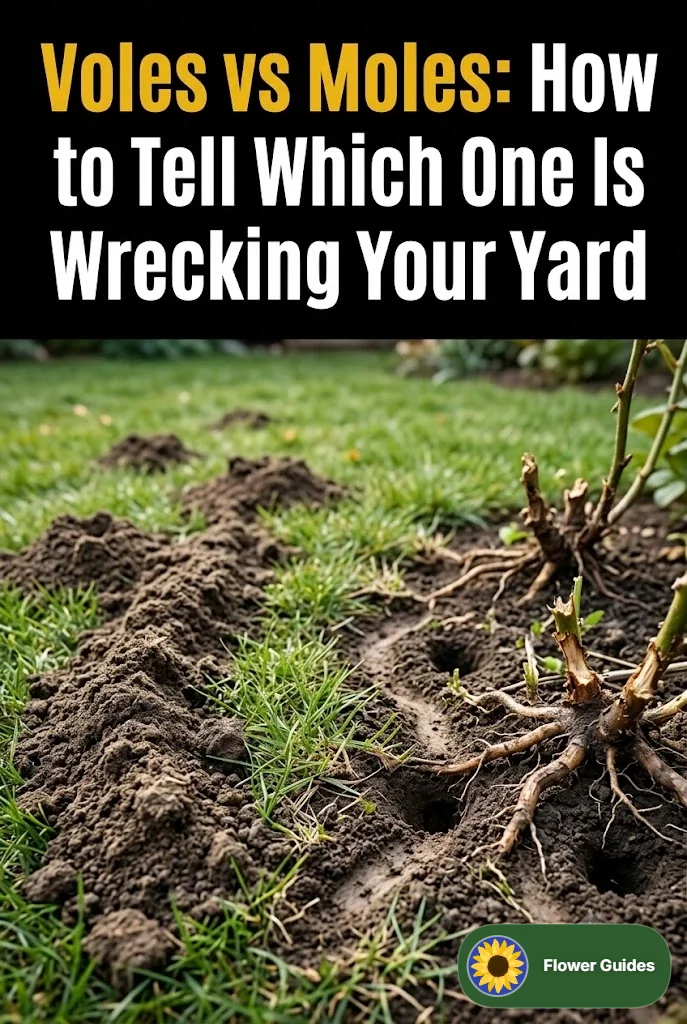
- Shallow Tunnels: Look for surface runways about 1 to 2 inches wide that run along the ground, often surrounded by chewed grass or plant matter.
- Plant Damage: Voles will gnaw on the stems and roots of young plants, leaving behind small, jagged edges.
- Droppings: Vole droppings are small, dark, and cylindrical, often found near feeding areas.
- Burrows: Voles create small burrows that are typically 2 to 3 inches in diameter.
Signs of Mole Activity
- Raised Tunnels: Moles create prominent ridges in your lawn as they push soil to the surface, forming raised mounds.
- Soft Spots: Areas of your yard may feel spongy or soft underfoot due to the extensive underground burrowing.
- Insect Damage: If you notice an abundance of worms or grubs in your yard, it could be a sign of mole activity as they feast on these critters.
- Distinctive Mounds: Moles create volcano-shaped mounds of soil, which can be a clear indicator of their presence.
Control Methods for Voles and Moles
Once you’ve identified the culprit, you can take appropriate measures to manage the problem effectively.
How to Control Voles
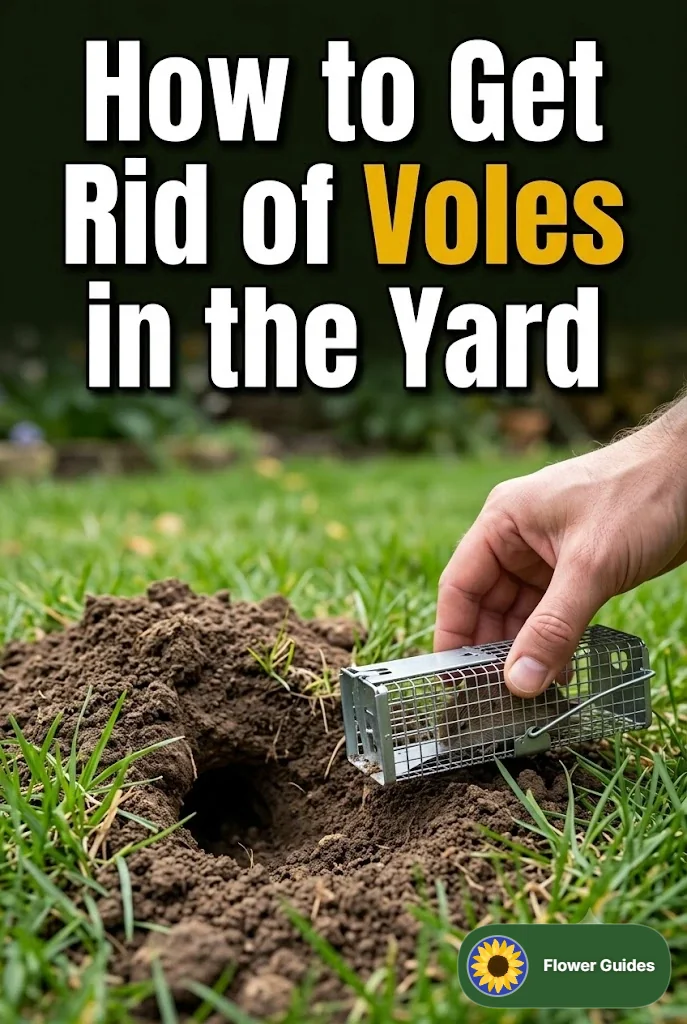
- Traps: Snap traps can be effective in reducing vole populations. Place them in active runways for the best results.
- Repellents: Natural repellents, such as castor oil or garlic spray, can deter voles from entering your garden.
- Habitat Modification: Keep your yard tidy by clearing away debris and keeping grass short to reduce cover for voles.
How to Control Moles
- Trapping: Use specialized traps designed for moles. Locate them in the main tunnels for maximum effectiveness.
- Natural Predators: Encouraging owls and hawks in your area can help control the mole population naturally.
- Soil Management: Improving soil drainage and reducing grubs can make your yard less attractive to moles.
Pinterest-Style Ideas for a Pest-Free Yard
To inspire a pest-free garden, here are some creative ideas to help you protect your plants from voles and moles:
- Create a Raised Garden Bed: Build raised beds to deter both voles and moles while giving your plants a nutrient-rich environment.
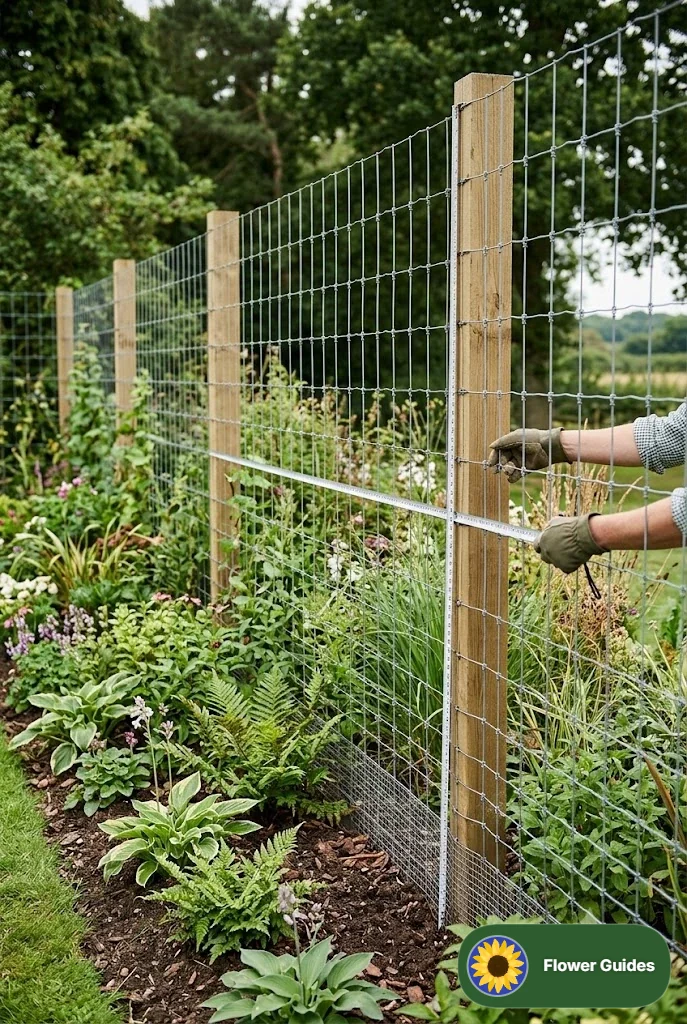
- Install Wire Mesh: Burrow wire mesh around the base of your plants to prevent voles from gnawing on their roots.
- Encourage Beneficial Insects: Plant flowers that attract ladybugs and lacewings, which can help control pests that moles eat.
Expert Tips for Prevention
Preventing voles and moles from invading your yard is easier than dealing with an infestation. Here are some expert tips:
- Regular Maintenance: Keep your garden tidy and well-maintained to make it less inviting for pests.
- Mulching: Use a thick layer of mulch to deter voles while helping retain moisture in the soil.
- Plant Selection: Choose plants that are less attractive to voles, like lavender and daffodils, which can help keep them at bay.
Common Questions About Voles and Moles
1. Can voles and moles coexist?
While both can inhabit the same area, they have different diets and behaviors. It’s crucial to identify which pest is causing damage to address the issue effectively.
2. Are voles and moles harmful to my garden?
Yes, both can be detrimental. Voles tend to eat plants and roots, while moles can disrupt the soil structure and affect plant roots with their tunneling.
3. How can I naturally deter voles and moles?
Utilizing natural repellents, maintaining a clean yard, and encouraging natural predators can help manage both populations without harmful chemicals.
4. What time of year are voles and moles most active?
Both pests are generally more active in the spring and fall, as they seek food and shelter during these seasons.
5. Are there any plants that repel voles?
Yes, plants like mint, daffodils, and garlic can deter voles due to their strong scents and tastes.
Conclusion
Understanding the differences between voles and moles is essential for protecting your garden. By identifying the signs of either pest, you can take effective control measures and implement prevention strategies. With a little effort, you can keep your yard flourishing and free from these unwanted visitors. Happy gardening!