How to Get Rid of Grasshoppers in the Garden
Grasshoppers can be a gardener’s worst nightmare. These pesky insects can quickly turn a flourishing garden into a buffet. If you’ve ever ventured outside only to find your beloved plants nibbled down to stubs, you know how frustrating it can be. The good news is that there are effective strategies to manage and eliminate grasshoppers without resorting to harsh chemicals. Let’s dive into some practical methods to reclaim your garden from these voracious eaters.
Quick Answer
To get rid of grasshoppers in your garden, employ a combination of cultural practices, natural repellents, and physical barriers. Effective methods include companion planting, using homemade sprays, and setting up traps to reduce their population.
Understanding Grasshoppers
Before we tackle solutions, it’s essential to understand what we’re dealing with. Grasshoppers are herbivorous insects that thrive in warm climates and can reproduce rapidly, making them a formidable foe in your garden. They typically have a green or brown coloration, which helps them blend in with vegetation, making them hard to spot. Understanding their life cycle and behavior can help you devise a more effective control strategy.
Identifying Grasshopper Damage
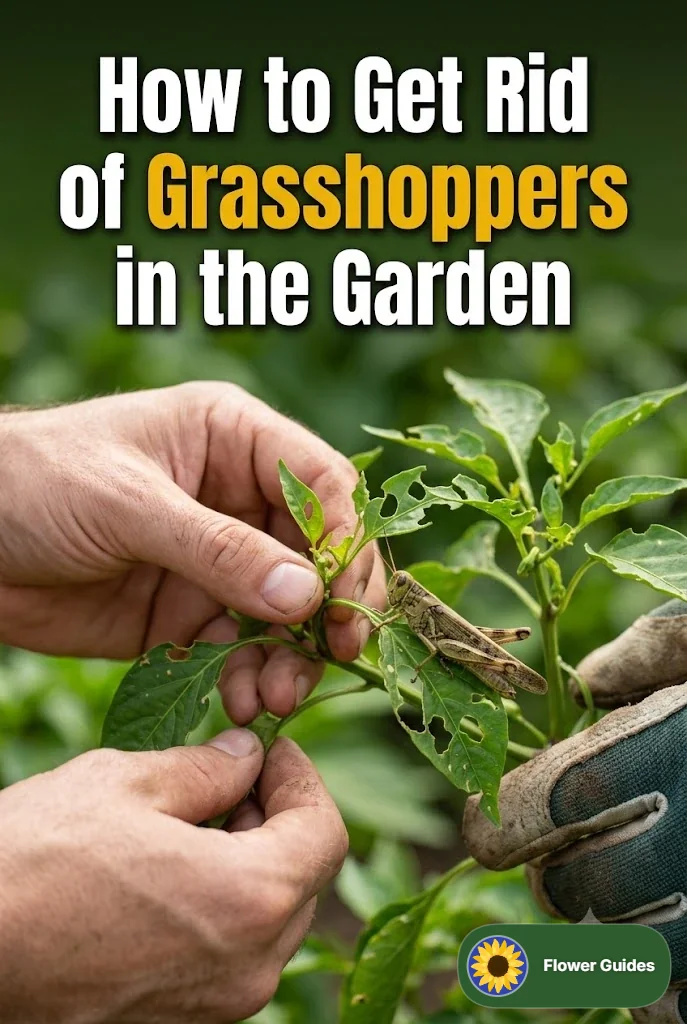
- Chewed Leaves: Look for irregular holes in your plants’ leaves.
- Stunted Growth: A severe infestation can hinder the growth of seedlings and young plants.
- Feces: Small black droppings on the soil or plants can indicate their presence.
Preventive Measures
Prevention is always better than cure. Implementing some measures can significantly reduce the chances of a grasshopper invasion:
Cultural Practices
- Maintain Garden Health: Healthy plants are less susceptible to pest damage. Regularly water, fertilize, and prune your garden.
- Remove Debris: Grasshoppers love to hide in tall grasses and debris. Keep your garden tidy to eliminate their hiding spots.
- Rotate Crops: Changing the location of your plants each year can disrupt grasshopper life cycles.
Natural Repellents
When it comes to natural pest control, several options can deter grasshoppers without harming your plants or the environment.
Homemade Sprays
- Garlic Spray: Blend a few cloves of garlic with water. Strain and spray on plants. The strong odor repels grasshoppers.
- Hot Pepper Spray: Combine hot pepper flakes with water and a few drops of dish soap. This spicy concoction can keep grasshoppers at bay.
- Neem Oil: This natural insecticide disrupts the life cycle of grasshoppers. Mix with water and spray on affected plants.
Essential Oils
Some essential oils, like peppermint, rosemary, and eucalyptus, can also repel grasshoppers. Mix a few drops with water and spray around your plants to create an uninviting environment for these pests.
Physical Barriers
Using physical barriers is another effective way to protect your plants from grasshoppers.
Row Covers
Lightweight row covers can shield your plants from grasshoppers while allowing sunlight and moisture to penetrate. Install them early in the season before grasshoppers appear.
Traps
Setting traps can help control grasshopper populations:
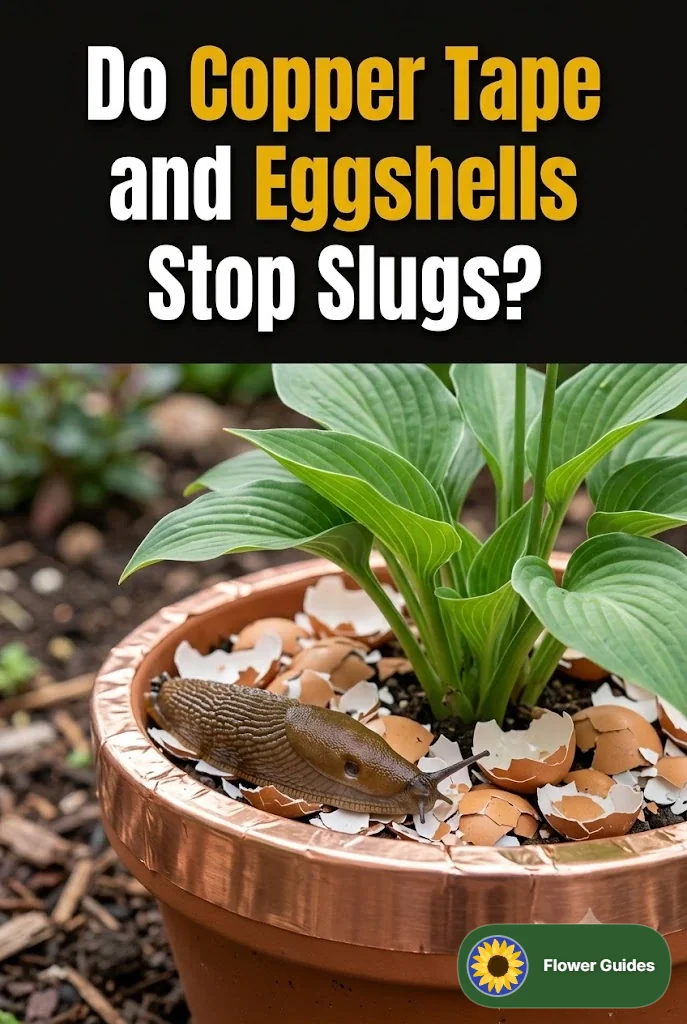
- Homemade Traps: Fill shallow dishes with a mixture of beer and water. The smell attracts grasshoppers, and they drown in the liquid.
- Sticky Traps: Place adhesive traps around the garden to catch wandering grasshoppers.
Companion Planting
Certain plants can help repel grasshoppers when grown alongside your main crops.
Effective Companion Plants
- Lavender: The strong scent can deter grasshoppers.
- Marigolds: These flowers not only attract beneficial insects but can also repel pests.
- Thyme: This herb can confuse and deter grasshoppers from munching on your garden.
Expert Tips for Grasshopper Control
Here are some insider tips to make your grasshopper control efforts even more effective:
- Timing is Key: Monitor grasshopper populations at the beginning of the growing season. Early intervention is crucial.
- Encourage Natural Predators: Birds, spiders, and other insects can help keep grasshopper numbers down. Consider putting up birdhouses or providing habitats for beneficial insects.
- Avoid Over-fertilizing: Excess nitrogen can attract grasshoppers. Use organic fertilizers to promote healthy growth without overdoing it.
Common Questions
1. How do I know if I have a grasshopper problem?
Look for chewed leaves, droppings, and stunted growth in your plants. If you see these signs, it’s time to take action.
2. Can I use pesticides to control grasshoppers?
While chemical pesticides are an option, they can harm beneficial insects and the environment. It’s best to start with natural methods first.
3. How can I prevent grasshoppers from coming back?
Implementing good garden hygiene, companion planting, and regular monitoring can significantly reduce the chances of a return infestation.
Conclusion
Dealing with grasshoppers may seem daunting, but with a combination of prevention, natural repellents, and physical barriers, you can protect your garden effectively. By staying vigilant and employing these strategies, you can enjoy the beauty of your garden free from the worry of grasshopper damage. Happy gardening!