How to Get Rid of Japanese Beetles Naturally
Japanese beetles can wreak havoc on your garden, munching through leaves, flowers, and fruits. If you’ve ever found your beloved plants covered in these shiny, metallic pests, you know how frustrating it can be. The good news is that you don’t have to resort to harsh chemicals to protect your garden. There are plenty of natural methods to get rid of Japanese beetles while keeping your garden healthy and safe for beneficial insects. Let’s explore effective, eco-friendly strategies to reclaim your garden from these pesky invaders.
Quick Answer
To get rid of Japanese beetles naturally, consider using methods like handpicking, introducing beneficial insects, applying natural repellents, and planting companion plants that deter them. These strategies will help protect your garden without harsh chemicals.
Understanding Japanese Beetles
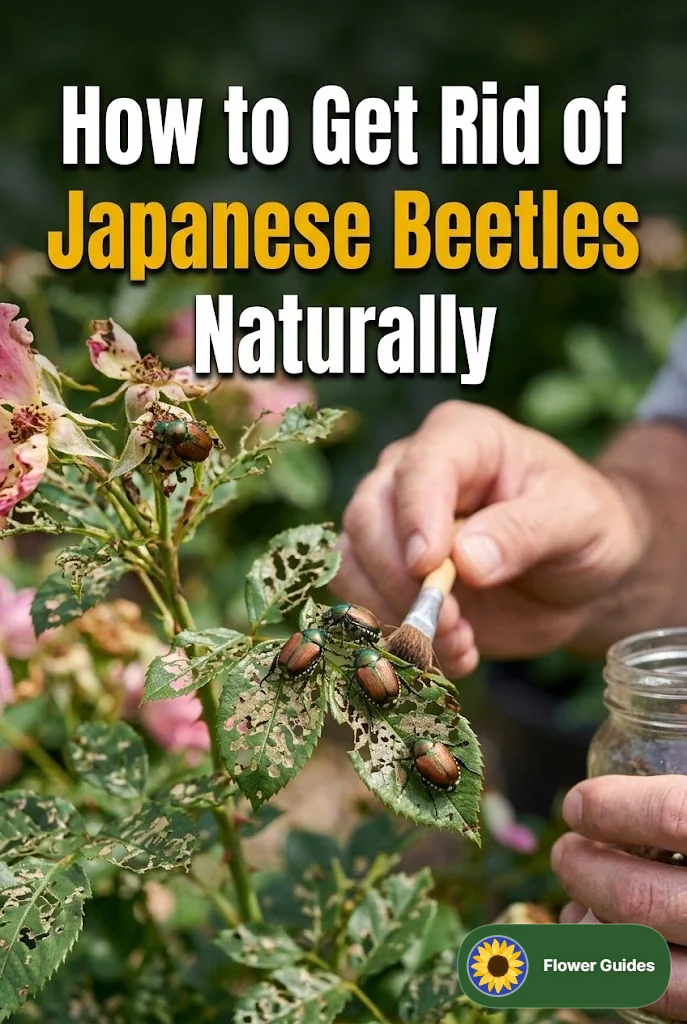
Before tackling the problem, it’s important to understand what you’re dealing with. Japanese beetles (Popillia japonica) are invasive pests originally from Japan. They are characterized by their shiny green bodies and copper-colored wings. Adult beetles typically appear in late spring and can live for several weeks, during which they can cause extensive damage to your plants.
Lifecycle of Japanese Beetles
- Eggs: Females lay eggs in the soil, usually in late June to early July.
- Larvae: The eggs hatch into grubs that feed on grassroots until late fall.
- Pupae: Grubs then pupate and overwinter in the soil.
- Adults: In late spring, adults emerge and begin the cycle again.
Effective Natural Methods to Control Japanese Beetles
1. Handpicking
One of the simplest and most effective methods to remove Japanese beetles is handpicking. This works best in the morning when the beetles are less active.
- Wear gloves to protect your hands.
- Drop the beetles into a bucket filled with soapy water to kill them.
Regularly check your plants, especially during peak season, to keep their population under control.
2. Natural Repellents
There are several natural substances that can deter Japanese beetles. Here are a few options:
- Neem Oil: Derived from the seeds of the neem tree, this oil disrupts the feeding and reproductive cycles of beetles.
- Garlic Spray: A homemade garlic spray can repel beetles. Blend garlic cloves with water, strain, and spray on affected plants.
- Essential Oils: Oils like peppermint or clove can also be used to deter beetles. Mix with water and spray on plants.
3. Beneficial Insects
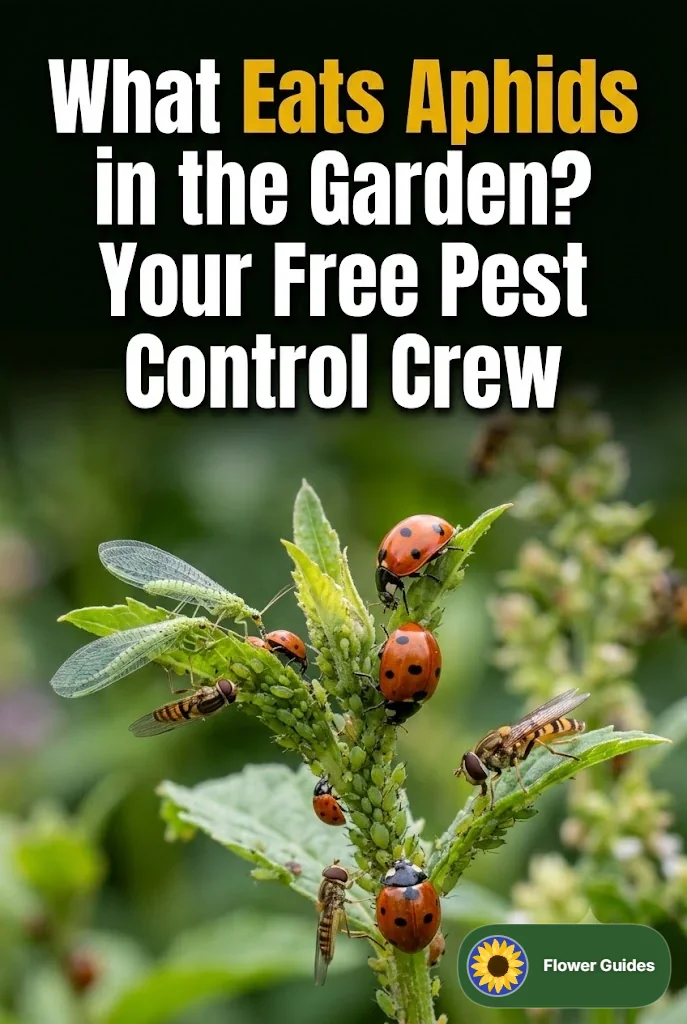
Encouraging beneficial insects is a great way to control Japanese beetles naturally. Look for:
- Parasitic Wasps: These wasps lay eggs inside beetle grubs, controlling their population.
- Nematodes: Beneficial nematodes are microscopic worms that attack and kill grub larvae in the soil.
Attract these allies by planting flowers like marigolds and yarrow, which provide habitat and food for beneficial insects.
4. Companion Planting
Certain plants can help repel Japanese beetles. Consider incorporating these into your garden:
- Rue: Known for its strong odor, rue can deter beetles.
- Chives: Their pungent scent is unappealing to beetles.
- Catnip: This herb can repel a variety of pests, including Japanese beetles.
By planting these companions near vulnerable plants, you can create a natural barrier against beetles.
5. Traps
While commercial traps are available, they can sometimes attract more beetles than they catch. Instead, consider making your own trap using:
- A container filled with soapy water.
- A piece of fruit, like a slice of apple, to lure the beetles.
Place the trap away from your most vulnerable plants to draw beetles away from them.
Expert Tips for Prevention
Prevention is key in managing Japanese beetles. Here are some expert tips to keep them at bay:
- Healthy Soil: Maintain healthy soil by regularly adding compost. Healthy plants are less susceptible to pests.
- Regular Maintenance: Keep your garden tidy. Remove debris and dead plants where beetles can hide.
- Watering Wisely: Water your plants early in the day to prevent fungal diseases and encourage strong growth.
Common Questions
1. Are Japanese beetles harmful to humans?
No, Japanese beetles do not pose a threat to humans. They primarily feed on plants.
2. How can I tell if I have a Japanese beetle infestation?
Look for signs like skeletonized leaves, damaged flowers, or the presence of beetles on your plants.
3. When is the best time to control Japanese beetles?
The best time for control is during their peak activity, which is typically from late spring to early summer.
Conclusion
Getting rid of Japanese beetles naturally is not only possible but can also be a gratifying experience. By handpicking, using natural repellents, encouraging beneficial insects, and practicing companion planting, you can protect your garden effectively. With these strategies, you’ll not only reduce the beetle population but also create a healthier environment for your plants to thrive. Embrace these methods, and watch your garden flourish, free from the wrath of Japanese beetles!