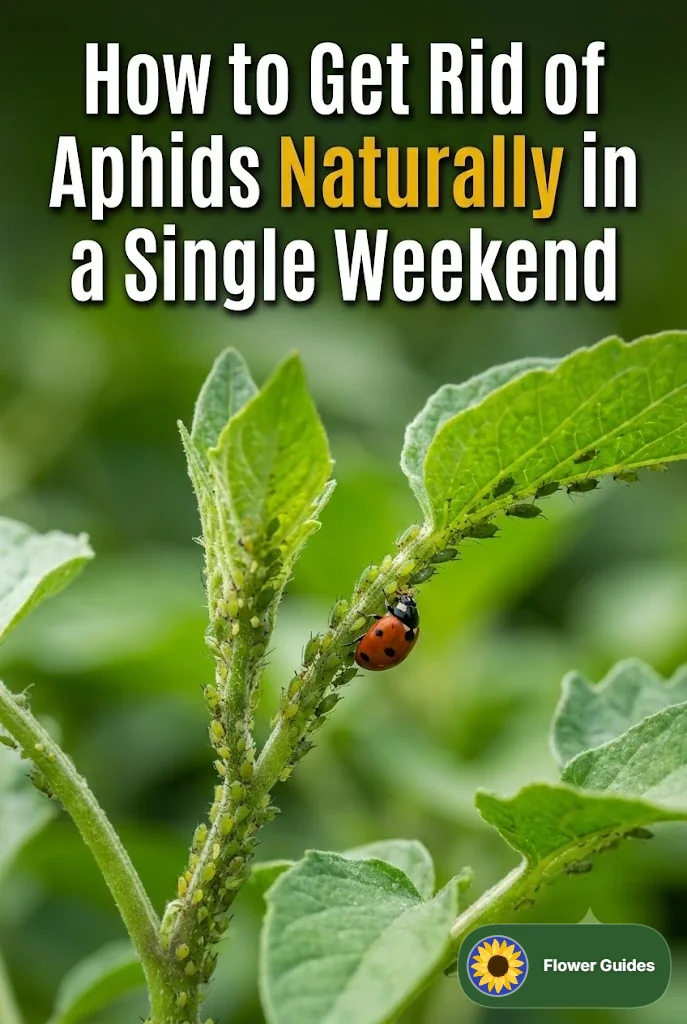
How to Get Rid of Aphids Naturally in a Single Weekend
Aphids can be the bane of any gardener’s existence. These tiny pests can quickly infest your plants, sucking their nutrients and causing significant damage. If you’ve noticed these little critters taking over your garden, you might feel overwhelmed by the thought of dealing with them. Fortunately, there are effective and natural ways to eliminate aphids without resorting to harsh chemicals. In fact, with a focused weekend effort, you can reclaim your garden and keep it healthy and thriving.
Quick Answer
To get rid of aphids naturally in a single weekend, utilize a combination of homemade sprays, beneficial insects, and cultural practices. Using ingredients like neem oil, soap, and water can effectively suffocate aphids, while introducing natural predators like ladybugs can help maintain control.
Understanding Aphids
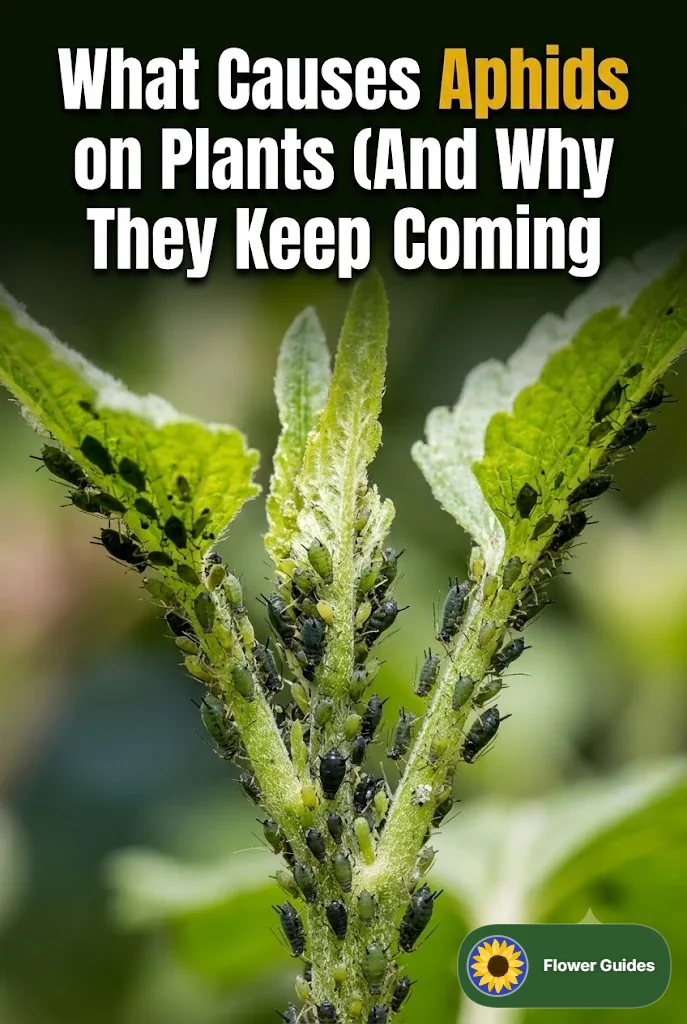
Aphids are small, soft-bodied insects that come in various colors, including green, black, and yellow. They tend to cluster on the undersides of leaves and the stems of plants, feeding on sap and weakening the plant. Understanding their life cycle and behavior is crucial for effective control. Here’s how you can tackle an aphid infestation.
1. Identify the Infestation
- Check for Signs: Look for clusters on new growth, curled leaves, and sticky substances known as honeydew.
- Regular Monitoring: Inspect your plants regularly to catch infestations early.
Natural Methods to Eliminate Aphids
With a few natural methods, you can effectively control aphids over a weekend. Here are some proven strategies:
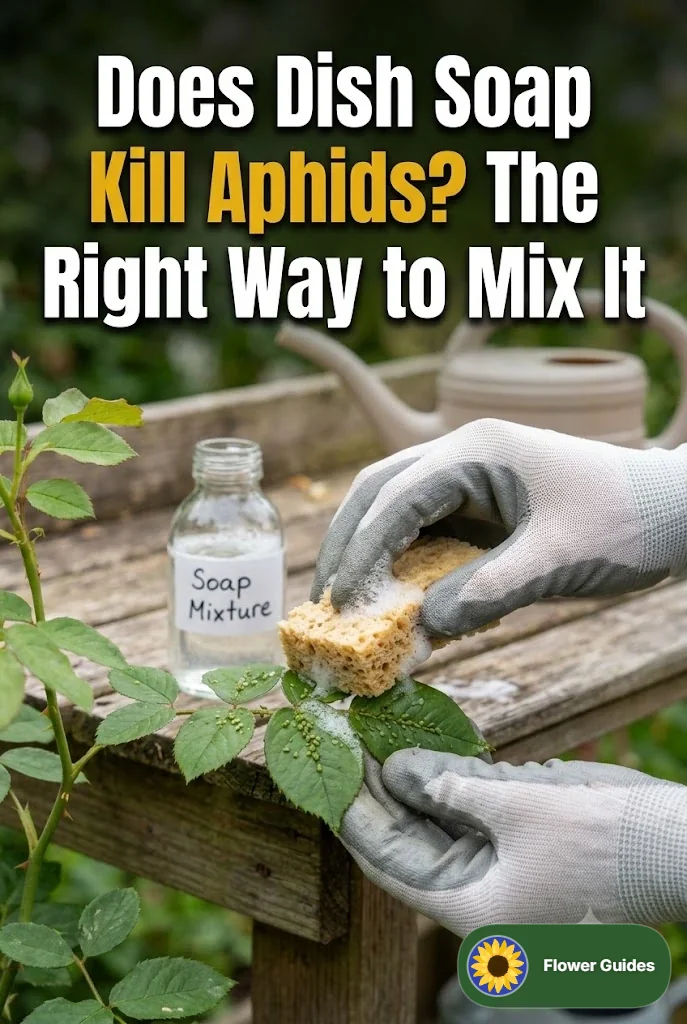
2. Homemade Insecticidal Soap
This simple solution can help suffocate aphids without harming the plants. Here’s how to make it:
- Mix 1 tablespoon of liquid soap (not detergent) with 1 quart of water.
- Pour the mixture into a spray bottle.
- Spray directly onto the aphids, covering both the tops and undersides of the leaves.
- Repeat every few days until the infestation is gone.
3. Neem Oil Treatment
Neem oil is a natural pesticide obtained from the seeds of the neem tree. It disrupts the life cycle of aphids:
- Mix 2 tablespoons of neem oil with 1 gallon of water.
- Add a few drops of liquid soap to help the oil mix.
- Spray the solution directly onto affected plants, ensuring good coverage.
- Apply every 7-14 days or as needed.
4. Introduce Beneficial Insects
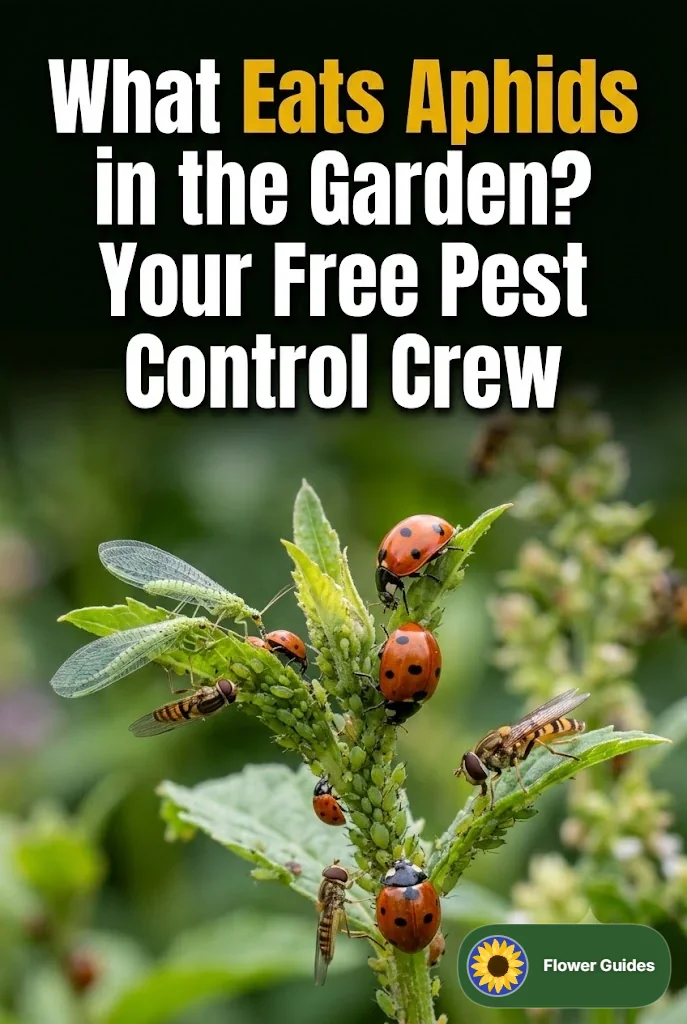
Nature has its own pest control. Ladybugs and lacewings are known for their appetite for aphids:
- Purchase Ladybugs: You can buy ladybugs online or at garden centers. Release them near infested plants, and they’ll start to eat the aphids.
- Encourage Lacewings: Plant flowers like dill or fennel, which attract lacewing larvae.
Cultural Practices to Prevent Aphid Infestation
Prevention is key in managing aphids. Here are some cultural practices to help keep them at bay:
5. Promote Healthy Plants
Healthy plants are less susceptible to aphid attacks. Here’s how to promote plant health:
- Proper Watering: Ensure your plants are adequately watered but not overwatered.
- Fertilization: Use organic fertilizers to enhance plant strength.
- Mulching: Apply organic mulch to retain moisture and suppress weeds.
6. Companion Planting
Companion planting involves growing certain plants together to deter pests. Consider these combinations:
- Garlic and Chives: Their strong scents repel aphids.
- Nasturtiums: These can attract aphids away from your other plants.
Expert Tips for Long-Term Aphid Control
In addition to quick fixes, consider these expert tips to keep aphids from returning:
7. Regular Monitoring and Maintenance
Keep a close eye on your garden, especially during the spring and summer months when aphids are most active. Regular maintenance can prevent a small problem from turning into a larger one.
8. Encourage Natural Predators
Plant a variety of flowers to attract predatory insects. Flowers like yarrow, dill, and marigold can draw in beneficial insects that will help keep the aphid population in check.
Common Questions About Aphids
1. Can I use vinegar to get rid of aphids?
While vinegar can deter some pests, it may also harm your plants. It’s best to use it with caution and in a diluted form if at all.
2. Are there any plants that repel aphids?
Yes, plants like mint, lavender, and rosemary can help repel aphids due to their strong scents.
3. How do I know if my treatment is working?
Monitor your plants closely. If you notice fewer aphids and healthier leaves, your treatments are likely effective.
Conclusion
Getting rid of aphids naturally doesn’t have to be a daunting task. By taking proactive steps over a weekend, you can effectively manage these pests and foster a healthy garden environment. Remember, combining various methods will yield the best results. Embrace the beauty of natural gardening and enjoy a pest-free garden!