What Causes Aphids on Plants (And Why They Keep Coming Back)
Aphids can feel like unwelcome guests in any garden, munching away on your beloved plants and leaving behind a trail of frustration. If you’ve ever wondered why these pesky insects keep returning, you’re not alone. Understanding what causes aphids to invade your plants and how to manage them effectively can lead to a healthier garden and more vibrant flora. In this article, we’ll delve into the world of aphids, their behavior, and the reasons behind their persistence.
What Are Aphids?
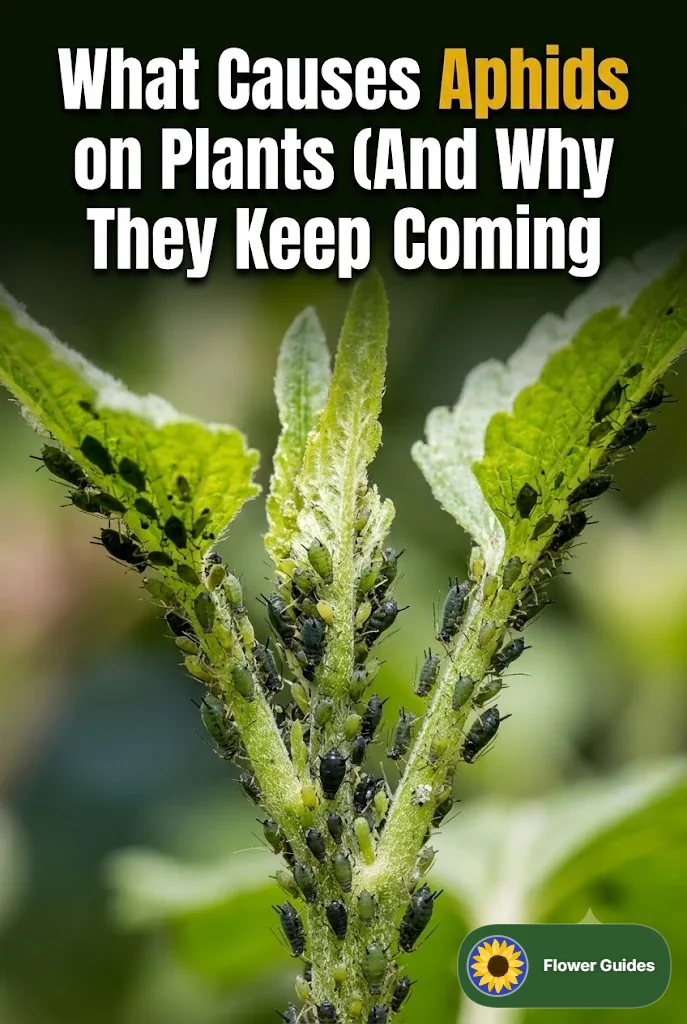
Aphids are small, soft-bodied insects that belong to the family Aphididae. They come in various colors, including green, black, and yellow, and are commonly found on the undersides of leaves. These tiny pests feed by piercing plant tissues and sucking out the sap, which can weaken plants and lead to stunted growth, yellowing leaves, and even plant death in severe cases.
Common Types of Aphids
- Green Peach Aphid – Often found on fruit trees and vegetables.
- Black Bean Aphid – Prefers legumes and can cause significant damage to crops.
- Melon Aphid – Common on melons and cucumbers, especially in warm climates.
What Causes Aphids to Appear?
Aphids thrive in specific conditions and are often drawn to plants that provide a suitable environment for feeding and reproduction. Here are some key factors that contribute to their presence:
1. Environmental Conditions
Aphids are more likely to infest plants under warm and dry conditions. They reproduce rapidly in these environments, leading to large populations quickly. If your garden has a lot of sun exposure and limited airflow, it creates an ideal setting for aphids.
2. Plant Health
Healthy plants are more attractive to aphids. They are particularly drawn to tender, new growth, which is easier for them to pierce. If your plants are stressed due to lack of water, poor soil, or disease, they may become more susceptible to aphid infestations.
3. Attracting Ants
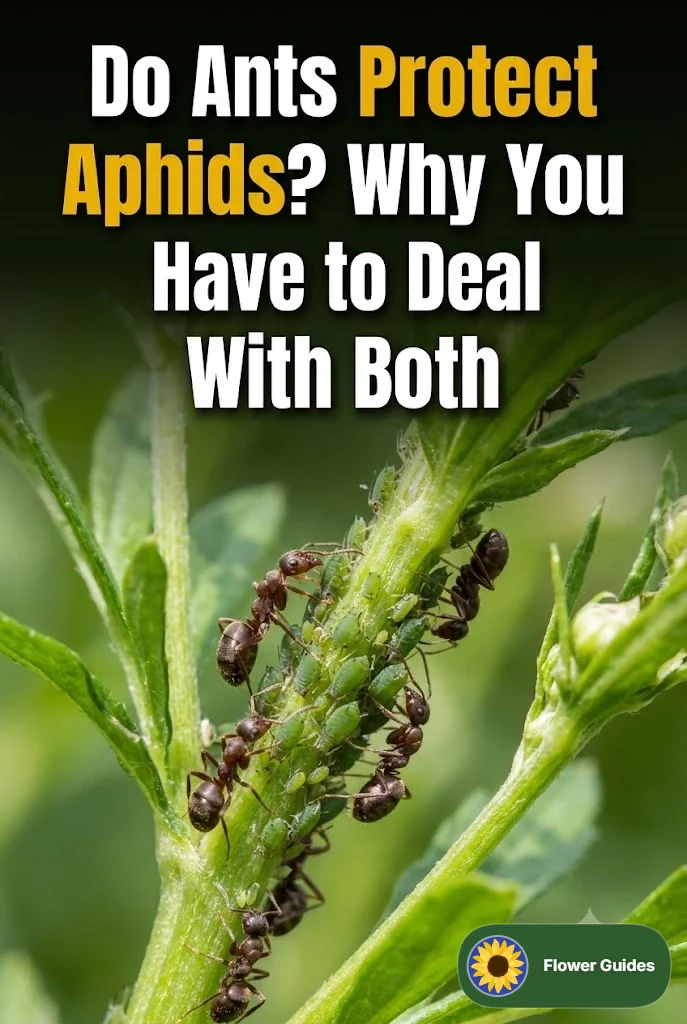
Interestingly, ants play a role in aphid infestations. They are attracted to the sugary secretions (honeydew) produced by aphids and often protect them from predators in exchange for this food source. If you have an ant problem in your garden, it can lead to an increase in aphid populations.
4. Proximity to Infested Plants
Aphids can easily move from one plant to another. If your garden is near other infested plants, whether in your yard or neighboring gardens, it increases the chances of an aphid invasion. They can travel on the wind or hitch a ride on pets, tools, or clothing.
Why Do Aphids Keep Coming Back?
Once you’ve dealt with an aphid infestation, it can be disheartening to see them return. Understanding their lifecycle and habits can help explain this frustrating phenomenon.
1. Rapid Reproduction
Aphids are known for their rapid reproduction rates. A single female can produce up to 80 offspring in just one week under optimal conditions. This means that even if you manage to eliminate a portion of the population, many more can replace them quickly.
2. Resilience and Adaptability
Aphids are incredibly resilient pests. They can adapt to various environmental conditions and can develop resistance to certain insecticides. This adaptability makes it challenging to eradicate them completely, leading to repeated infestations.
3. Seasonal Patterns
Aphids have a seasonal lifecycle that can contribute to their recurring presence. They tend to overwinter in a dormant state, often on host plants, and emerge in the spring when conditions are favorable. If you don’t take preventive measures, they can easily re-infest your garden.
Managing and Preventing Aphid Infestations
While dealing with aphids is certainly a challenge, there are several effective strategies for managing and preventing their return:
1. Introduce Natural Predators
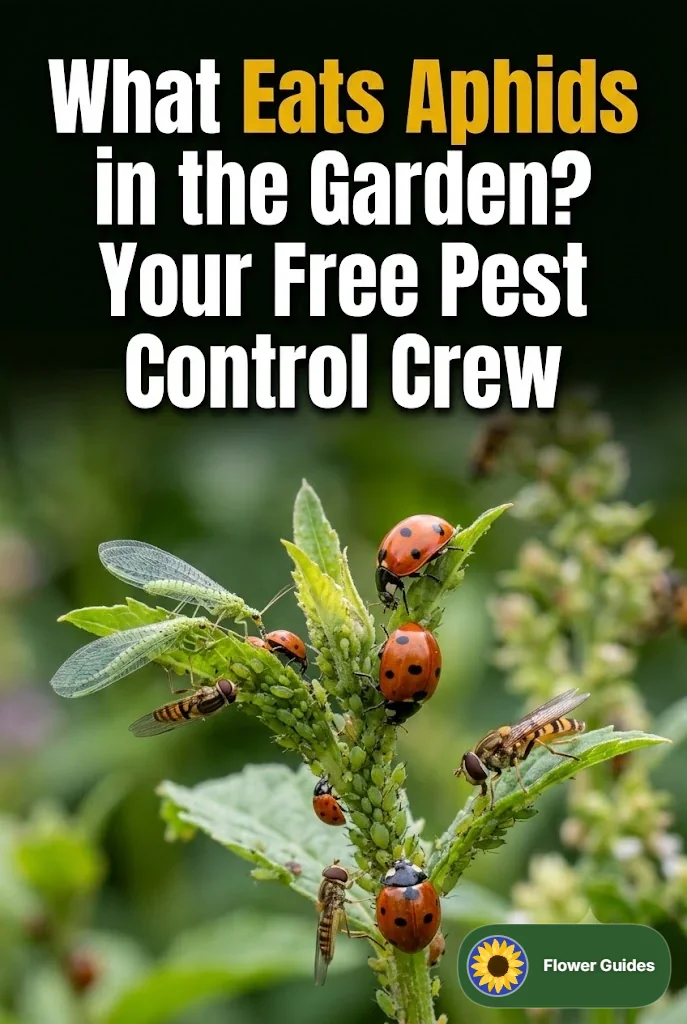
Encouraging natural predators like ladybugs, lacewings, and parasitic wasps can help control aphid populations. These beneficial insects feed on aphids and can help keep their numbers in check.
2. Regular Monitoring
Keep an eye on your plants, especially new growth. Early detection is key to preventing a full-blown infestation. Look for signs of aphids, such as curled leaves and sticky honeydew on surfaces.
3. Use Insecticidal Soap
Insecticidal soaps can be effective against aphids and are safe for use on most plants. Spray the affected areas thoroughly, ensuring you cover both the tops and bottoms of leaves. Repeat applications may be necessary.
4. Maintain Plant Health
Healthy plants are less susceptible to aphid infestations. Ensure your plants receive adequate water, nutrients, and sunlight. Regular pruning can also help promote airflow and reduce the likelihood of infestations.
5. Create Barriers
Row covers and physical barriers can prevent aphids from reaching your plants. This is especially useful for young plants and seedlings that are more vulnerable to infestations.
Expert Tips for Long-Term Control
For those looking to minimize aphid problems over the long term, consider these expert strategies:
- Companion Planting: Grow plants that repel aphids, such as marigolds, garlic, or chives, near your vulnerable plants.
- Crop Rotation: Change the location of your plants each season to disrupt aphid life cycles.
- Soil Health: Improve soil health through organic matter and compost to promote vigorous plant growth.
Common Questions About Aphids
1. How do I know if my plant has aphids?
Look for signs such as curled leaves, sticky residue (honeydew), and the presence of ants. You may also see the aphids themselves clustered on new growth.
2. Can aphids harm my plants?
Yes, aphids can weaken plants by sucking their sap, leading to stunted growth, yellowing leaves, and increased vulnerability to diseases.
3. Are there any natural remedies for aphids?
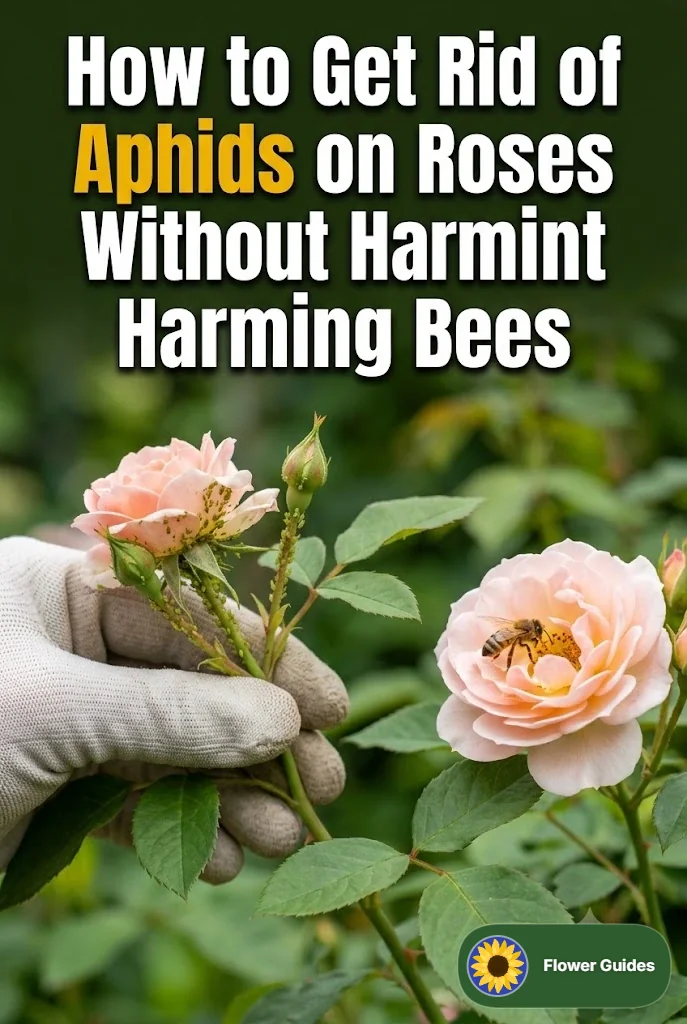
Yes, sprays made from diluted dish soap or neem oil can help control aphid populations without harming beneficial insects when used correctly.
Conclusion
Aphids may be common garden pests, but with the right knowledge and strategies, you can effectively manage their presence and protect your plants. By understanding their causes and lifecycle, implementing preventive measures, and maintaining plant health, you can keep your garden thriving and minimize these pesky invaders. Remember, a proactive approach is always more effective than reactive measures when it comes to maintaining a healthy garden.