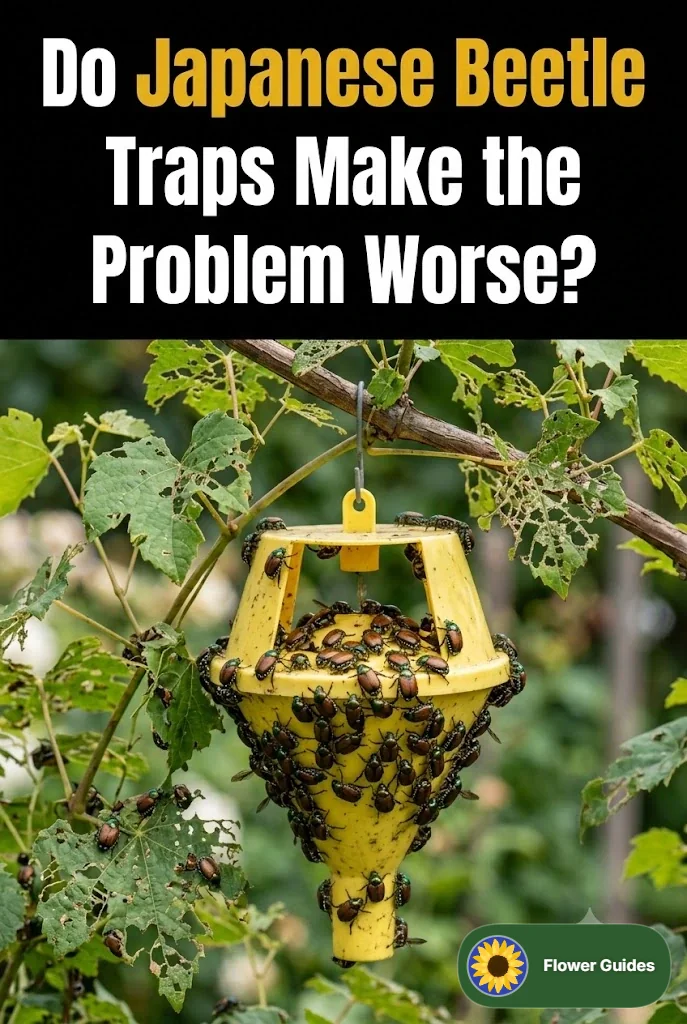
Do Japanese Beetle Traps Make the Problem Worse?
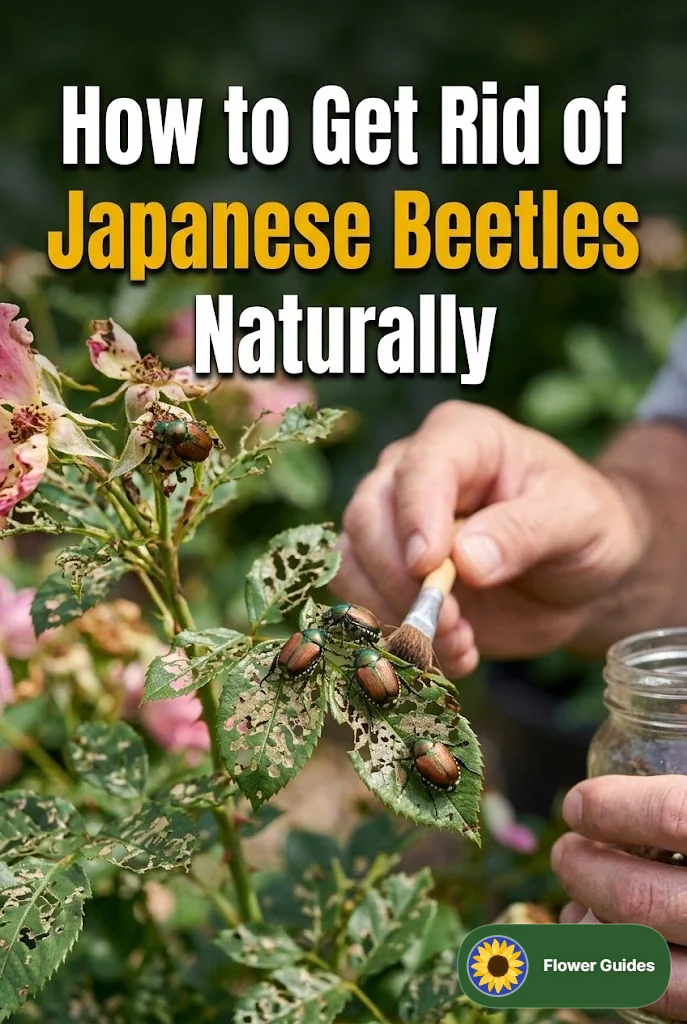
Japanese beetles are notorious for their destructive feeding habits, leaving gardeners and homeowners frustrated in their wake. As these pests invade gardens, many people turn to traps as a potential solution. However, there is an ongoing debate about whether these traps truly help manage the beetle population or inadvertently exacerbate the problem. Let’s explore the efficacy of Japanese beetle traps and understand their impact on pest control.
Understanding Japanese Beetles
Before diving into the traps, it’s essential to understand what Japanese beetles are and why they are considered a significant pest. Native to Japan, these beetles were first identified in the United States in the early 1900s. They thrive in warm, humid conditions and are known for their distinctive metallic green bodies with coppery-brown wings. The adult beetles feed on a wide range of plants, including flowers, fruits, and foliage, causing substantial damage.
Life Cycle of Japanese Beetles
To effectively manage these pests, knowing their life cycle is crucial:
- Egg Stage: Adults lay eggs in the soil from late June to early July.
- Larval Stage: The eggs hatch into grubs, which feed on grass roots until fall.
- Pupal Stage: Grubs develop into pupae, overwintering in the soil.
- Adult Stage: In late spring, they emerge as adults and begin feeding.
Do Japanese Beetle Traps Work?
Japanese beetle traps are designed to attract and capture adult beetles using pheromones and floral scents. While these traps seem like a logical solution, research has shown mixed results regarding their effectiveness.
How Traps Work
Traps utilize a combination of lures to entice beetles. The most common lures are:
- Sex Pheromones: Attract male beetles.
- Floral Scents: Mimic the scent of flowers that beetles prefer.
While these lures can capture many beetles, the effectiveness varies based on the beetle population and environmental conditions.
Potential Downsides of Traps
Despite their intended purpose, Japanese beetle traps may not be the best solution for pest control. Here are some reasons why:
- Attraction Over Capture: Traps can attract more beetles to your garden than they capture. If placed incorrectly, they might draw beetles from surrounding areas, intensifying the problem.
- Targeting Only Adults: Traps only capture adult beetles, neglecting the grubs in the soil. Without addressing the larval stage, the root of the infestation remains.
- Limited Effectiveness in High Infestations: In areas with a high concentration of beetles, traps may become overwhelmed and less effective.
Best Practices for Using Japanese Beetle Traps
If you decide to use Japanese beetle traps, here are some best practices to maximize their effectiveness:
Placement of Traps
- Position traps away from your valuable plants, ideally at least 30 feet away.
- Place them in shaded areas to minimize heat exposure, which can reduce the efficacy of the lures.
- Ensure traps are elevated slightly above ground level.
Regular Maintenance
- Check traps frequently to prevent them from becoming too full, which can lead to beetle escape.
- Replace lures as recommended by the manufacturer to ensure they remain effective.
- Dispose of captured beetles promptly to reduce any lingering odors that might attract more beetles.
Alternative Control Methods
While traps can be a part of your strategy, consider integrating other methods for a more holistic approach to managing Japanese beetles:
Biological Control
- Nematodes: Beneficial nematodes can be introduced into the soil to target grubs. They are a natural predator and can help reduce populations without harmful chemicals.
- Predatory Birds: Encourage birds to visit your garden by providing food sources and nesting areas. Birds like starlings and crows feed on adult beetles.
Cultural Practices
- Healthy Soil: Maintain healthy soil conditions to promote strong plant growth, making them less susceptible to beetle damage.
- Companion Planting: Planting certain flowers, such as marigolds or geraniums, can help repel beetles.
Physical Barriers
- Row Covers: Use lightweight row covers to protect vulnerable plants during peak beetle activity.
- Handpicking: Regularly inspect plants and handpick beetles off foliage, especially in smaller gardens.
Expert Tips for Gardeners
Here are some insider tips for managing Japanese beetles effectively:
- Timing is Key: Monitor your garden for beetles early in the season. The sooner you act, the better your chances of controlling their population.
- Plant Resistance: Consider planting varieties known for their resistance to Japanese beetles, such as certain types of roses and viburnums.
- Maintain Lawn Health: A healthy lawn can reduce the number of grubs and subsequently adult beetles.
Common Questions about Japanese Beetle Traps
Do Japanese beetle traps attract more beetles than they catch?
Yes, traps can attract more beetles to your garden, especially if placed too close to desirable plants.
What is the best time to set up Japanese beetle traps?
It’s best to set up traps in late June when adult beetles emerge and start feeding.
Can I use traps and other control methods simultaneously?
Absolutely! Combining traps with other control methods can create a more effective pest management strategy.
Conclusion
While Japanese beetle traps may seem like an easy fix, their effectiveness is often debated. They can attract more beetles than they capture and do not address the underlying issue of grubs in the soil. By understanding the life cycle of these pests and employing a combination of traps, biological controls, and cultural practices, you can take a comprehensive approach to manage your garden effectively. Happy gardening, and may your plants thrive free from pests!