How to Get Rid of Snails in a Vegetable Garden
Snails can be a gardener’s worst nightmare, especially when they invade your precious vegetable garden. These slimy pests can quickly devour tender leaves, fruits, and vegetables, leaving you with a devastated plot. If you’ve ever found your hard work reduced to mere nibbles, you know the urgency of tackling this issue. Let’s explore effective strategies to get rid of snails and protect your garden’s bounty.
Quick Answer
To effectively get rid of snails in your vegetable garden, use a combination of physical barriers, natural remedies, and organic pesticides. Regularly inspect your plants, remove snails by hand, and create a less inviting environment for them.
Understanding Snails in the Garden
Before tackling the problem, it’s essential to understand why snails are so attracted to your garden. They thrive in moist environments and are particularly fond of soft, young plants. Here are some common factors that can contribute to a snail infestation:
- Overwatering your garden
- Using mulch or organic matter that retains moisture
- Providing hiding spots like debris or dense vegetation
Recognizing these issues can help you implement preventive measures alongside removal strategies.
Physical Barriers to Keep Snails Away
Creating physical barriers is one of the most effective strategies to deter snails from feasting on your vegetables.
1. Copper Tape
Snails have a natural aversion to copper. Placing copper tape around the edges of your garden beds or pots can create a barrier that will deter them. When they come into contact with the copper, it gives them a mild electric shock, prompting them to turn back.
2. Eggshells and Diatomaceous Earth
Another effective barrier is crushed eggshells or diatomaceous earth. Spread these materials around the base of your plants. The sharp edges can deter snails and prevent them from crossing into your vegetable garden.
3. Handpicking
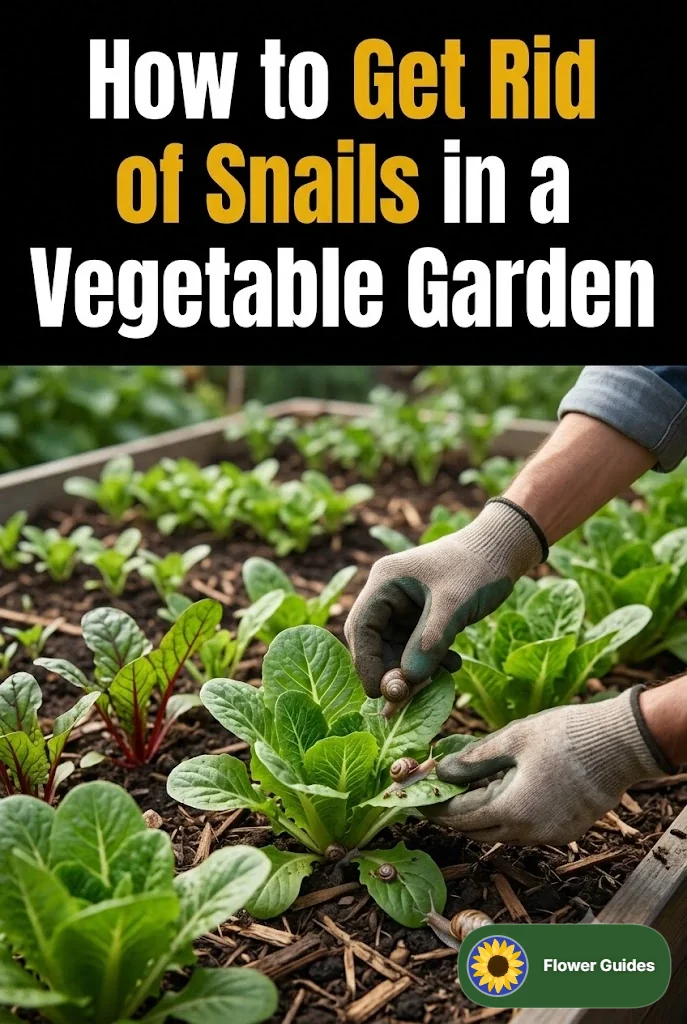
Regularly inspect your garden, especially in the early morning or late evening when snails are most active. Handpicking is a straightforward yet effective method. Simply gather the snails and relocate them far from your garden.
Natural Remedies to Control Snail Populations
If physical barriers aren’t enough, consider using natural remedies that are effective yet safe for your garden.
1. Beer Traps
Snails are attracted to the smell of beer. Set up shallow containers filled with beer around your garden. The snails will crawl in and drown, providing an effective trap.
2. Salt
Sprinkling salt directly on snails can kill them, but use caution. Salt can harm your soil and surrounding plants. Instead, create a saltwater solution to spray directly on the snails you find.
3. Garlic and Coffee
Garlic and coffee can act as natural repellents. A garlic spray made from steeping garlic cloves in water can be sprayed on plants. Similarly, sprinkling used coffee grounds around your garden can deter snails due to their dislike of caffeine.
Creating an Unwelcoming Environment
Making your garden less inviting to snails is crucial for long-term control. Consider these strategies:
1. Adjust Watering Habits
Overwatering can create a paradise for snails. Water your garden in the early morning so that the soil dries by evening. This reduces the moisture levels that snails love.
2. Clean Up Debris
Regularly clear away debris, fallen leaves, and any dense vegetation where snails may hide. Keeping your garden tidy minimizes their hiding spots and makes it less attractive to them.
3. Plant Selection
Consider planting snail-resistant vegetables like rosemary, thyme, and sage. These plants are less appealing to snails and can help protect your more vulnerable crops.
Using Organic Pesticides
If snails persist despite your efforts, consider using organic pesticides. These are less harmful to beneficial insects and the environment. Look for products that contain:
- Iron phosphate: This is safe for pets and wildlife and can effectively control snail populations.
- Neem oil: Derived from the neem tree, this oil disrupts the life cycle of snails when applied regularly.
Always follow instructions on the labels for safe and effective use.
Expert Tips for Long-Term Control
Here are some lesser-known insider tips to keep snails at bay:
- Encourage natural predators like birds and toads by creating a welcoming habitat. Birdhouses and small ponds can help attract these beneficial creatures.
- Use a combination of methods. A multifaceted approach is often more effective than relying on a single solution.
- Monitor weather conditions. Snails thrive in wet, cool environments, so be particularly vigilant after rain or during high humidity.
Common Questions About Snail Control
1. Are snails harmful to my garden?
Yes, snails can cause significant damage to vegetables and plants by feeding on leaves and stems, which can lead to stunted growth or plant death.
2. How do I know if I have a snail problem?
Look for signs of damage on your plants, such as holes in leaves or slime trails on your soil or plant surfaces.
3. What is the best time to remove snails?
Early morning or late evening is the best time to remove snails, as they are most active during these hours.
Conclusion
Getting rid of snails in your vegetable garden requires a combination of prevention, physical barriers, and natural remedies. By taking proactive steps and creating an uninviting environment for these pests, you can protect your crops and enjoy a thriving garden. Remember, a little effort goes a long way in keeping your vegetable garden healthy and productive!