
Do Aphids Kill Plants, or Are They Just Ugly?
Aphids are often regarded as mere nuisances in the garden, but their impact on plants can be much more significant than their unsightly appearance suggests. These tiny pests, with their soft bodies and rapid reproduction rates, can wreak havoc on your beloved plants if not addressed promptly. Understanding the role aphids play in your garden can help you take the necessary steps to protect your plants while also appreciating the delicate balance of garden ecosystems.
Quick Answer
Aphids can harm plants by sucking their sap, which stunts growth and can lead to plant death if infestations are severe. They also transmit diseases and attract other pests, making effective management essential for healthy plants.
Understanding Aphids
Aphids are small, soft-bodied insects that can be green, black, or even pink. They typically cluster on the undersides of leaves and the new growth of plants. While they may seem harmless at first glance, these pests have a penchant for sucking the sap from plants, which can lead to a range of problems.
The Life Cycle of Aphids
Aphids reproduce rapidly, with a single female capable of producing hundreds of offspring in a matter of weeks. Their life cycle includes:
- Eggs: Laid in the fall, these hatch in spring.
- Nymphs: After hatching, they grow quickly, maturing into adults within a week.
- Adults: They can reproduce asexually, leading to rapid population growth.
Types of Damage Caused by Aphids
While aphids themselves are small, the damage they cause can be extensive. Here are the primary ways they affect plants:
- Leaf Curling: As they feed, aphids inject saliva that can cause leaves to curl and distort.
- Stunted Growth: Sap-sucking prevents plants from receiving the nutrients they need, leading to reduced growth.
- Yellowing Leaves: Insufficient nutrient intake can result in chlorosis, where leaves turn yellow.
- Dieback: In severe cases, entire branches may die off due to prolonged aphid feeding.
Are Aphids Dangerous to Plants?
While aphids may not outright kill every plant they infest, they can certainly weaken them and set the stage for further issues.
Indirect Damage through Disease Transmission
Aphids are known vectors for several plant diseases. As they feed, they can transmit viruses from one plant to another, exacerbating the damage done. Common diseases include:
- Potato Virus Y: Affects various crops, reducing yield and quality.
- Tomato Spotted Wilt Virus: Leads to symptoms that severely impact tomato plants.
Encouraging Other Pests
Aphids can attract other pests, such as ants, which protect them from natural predators. This relationship can lead to a more significant pest problem in your garden.
Identifying Aphid Infestations
Recognizing an aphid infestation is crucial for early intervention. Look for:
- Clusters of Aphids: Often found on new growth or undersides of leaves.
- Sticky Residue: The honeydew they excrete can attract ants and lead to black sooty mold.
- Distorted Leaves: Curling, yellowing, and stunted growth are clear signs of feeding damage.
Effective Control Methods
While it may be tempting to resort to chemical pesticides, there are several effective and eco-friendly methods to control aphid populations.
Natural Predators
Encouraging beneficial insects like ladybugs, lacewings, and parasitic wasps can help keep aphid numbers in check. They naturally prey on aphids and can significantly reduce their populations.
Insecticidal Soaps
Insecticidal soaps can effectively suffocate aphids without harming most beneficial insects. Ensure you follow the instructions carefully for the best results.
Neem Oil
Neem oil disrupts aphid feeding and reproduction. Apply it in the evening to avoid harming beneficial pollinators during the day.
Homemade Remedies
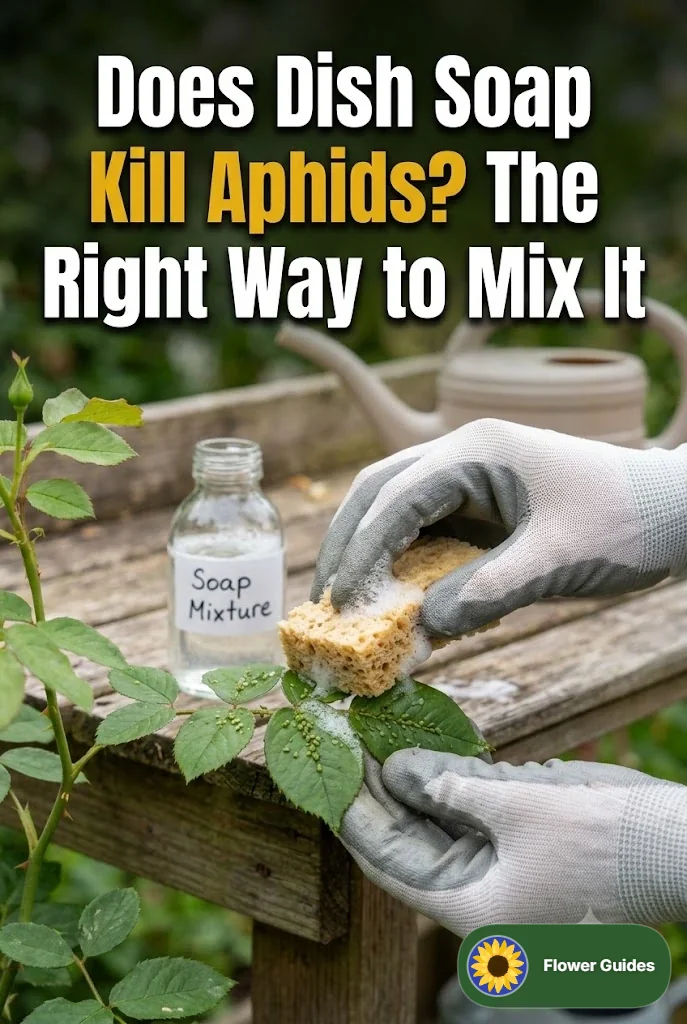
Consider using a mixture of water and dish soap as a homemade remedy. Spray directly on infestations, ensuring coverage on both tops and undersides of leaves.
Preventive Measures
Preventing aphids from becoming a problem in the first place is the best strategy. Here are some tips:
- Regular Monitoring: Check plants frequently for early signs of aphid activity.
- Healthy Soil: Maintain healthy soil to promote strong, resilient plants less susceptible to infestations.
- Companion Planting: Planting species that repel aphids, such as marigolds, can deter them.
Expert Tips for Aphid Management
Here are a few insider tips to help you manage aphids effectively:
- Encourage Diversity: A diverse garden attracts a variety of beneficial insects that help control pest populations.
- Timing Matters: Timing your treatments early in the morning or late in the evening can minimize harm to beneficial insects.
- Keep Plants Healthy: Stress weakens plants, making them more susceptible to aphids. Regular watering and fertilizing can bolster plant health.
Common Questions
Can aphids kill large plants?
Aphids can weaken large plants over time, especially if they infest young or stressed specimens. Severe infestations may lead to dieback or even death in vulnerable plants.
How can I tell if my plants are recovering from aphid damage?
Look for new growth, improved leaf color, and a reduction in visible aphids. Healthy plants will start showing signs of recovery once aphid populations are controlled.
Do aphids only attack certain plants?
Aphids are not picky eaters and can infest a wide range of plants, including flowers, vegetables, and shrubs. However, some species may prefer specific plant types.
Conclusion
Aphids may be small and seemingly insignificant, but their impact on plants can be profound. With proper identification, management, and preventive measures, you can protect your garden from these pesky pests. Embrace a strategy that combines natural controls and proactive care to enjoy a thriving, aphid-free garden.