Are Earwigs Bad for Plants, or Are They Helping You?
Earwigs often evoke a sense of dread among gardeners, conjuring images of pests wreaking havoc on our cherished plants. Yet, before you reach for the insecticide, let’s take a closer look. Are these little critters truly harmful, or could they actually be doing more good than harm in your garden? Understanding the role of earwigs can help you make informed decisions and encourage a healthy garden ecosystem.
What Are Earwigs?
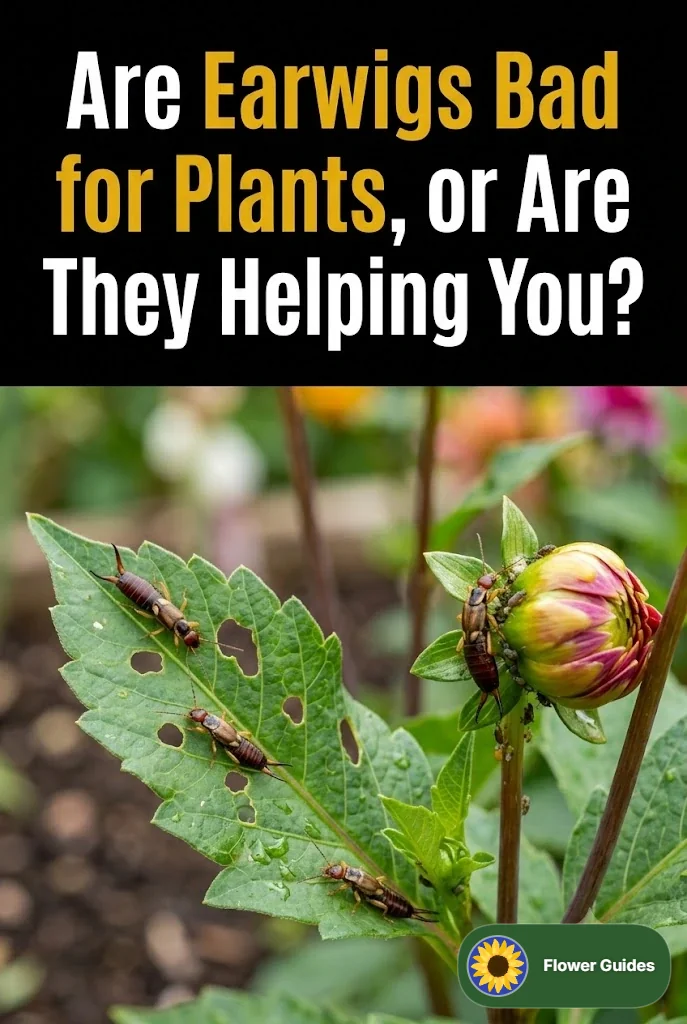
Earwigs are small, elongated insects, typically measuring about 5 to 25 millimeters in length. They are easily recognizable by their pincers, which can look intimidating. Contrary to popular belief, these pincers are used more for defense and mating rituals than for harming humans or larger animals. Earwigs thrive in moist environments and are most commonly found in gardens, compost piles, and under rocks or logs.
Do Earwigs Eat Plants?
One of the primary concerns for gardeners is whether earwigs feed on plants. The answer is somewhat nuanced. While earwigs are omnivorous and do consume a variety of plant materials, they are more often scavengers than direct plant feeders. Their diet consists mainly of decaying organic matter, aphids, and other soft-bodied insects.
The Good Side of Earwigs
Surprisingly, earwigs can play a beneficial role in your garden ecosystem. Here’s how:
- Natural Pest Controllers: Earwigs feed on pests such as aphids, mites, and other small insects that can damage your plants. By keeping these populations in check, earwigs can contribute to the overall health of your garden.
- Soil Aeration: As they burrow through the soil, earwigs help aerate it, which improves drainage and promotes healthy root growth for plants.
- Organic Matter Decomposition: Earwigs are excellent at breaking down decaying organic material, enriching your soil with nutrients that support plant growth.
When Are Earwigs a Problem?
While earwigs can be beneficial, there are instances where their presence might indicate a potential problem:
1. High Populations
If earwig populations explode, they may start to feed on young seedlings or tender plant leaves, especially if other food sources are scarce. This is particularly true during warm, dry seasons when their natural food sources dwindle.
2. Specific Plant Damage
Certain plants that are more susceptible to earwig damage include:
- Delicate seedlings
- Soft fruits and vegetables, like strawberries and beans
- Flowers with tender petals
Monitoring your garden closely during growth seasons can help you catch any potential issues early.
How to Manage Earwigs in Your Garden
If you find that earwigs are causing damage, there are several effective management strategies you can employ:
1. Cultural Practices
- Maintain a Clean Garden: Remove decaying plant material and debris where earwigs like to hide.
- Avoid Overwatering: Since earwigs thrive in moist conditions, be careful not to overwater your plants.
2. Traps
Simple traps can effectively reduce earwig populations. Try these methods:
- Beer Trap: Bury a shallow container in the soil and fill it with beer. Earwigs are attracted to the smell and will drown inside.
- Rolled Newspaper: Roll up damp newspapers and place them in your garden. In the morning, check for earwigs hiding inside, then dispose of them.
3. Natural Predators
Encouraging natural predators in your garden can help keep earwig populations under control. Birds, frogs, and beneficial insects like ladybugs can help maintain a balanced ecosystem.
Expert Tips for a Balanced Garden Ecosystem
To ensure that earwigs remain beneficial rather than harmful, consider these expert tips:
- Companion Planting: Plant herbs and flowers that attract beneficial insects. Marigolds and nasturtiums can deter harmful pests while attracting helpful ones.
- Mulching Wisely: Use organic mulch to suppress weeds but avoid overly thick layers that can create a perfect home for earwigs.
- Regular Monitoring: Keep a close eye on your plants. Early detection of pests will allow you to manage not just earwigs but other potential issues effectively.
Common Questions About Earwigs
1. Can earwigs harm humans?
No, earwigs do not pose a threat to humans. Their pincers are not designed to bite people and are primarily used for mating and defense against other insects.
2. How can I tell if earwigs are damaging my plants?
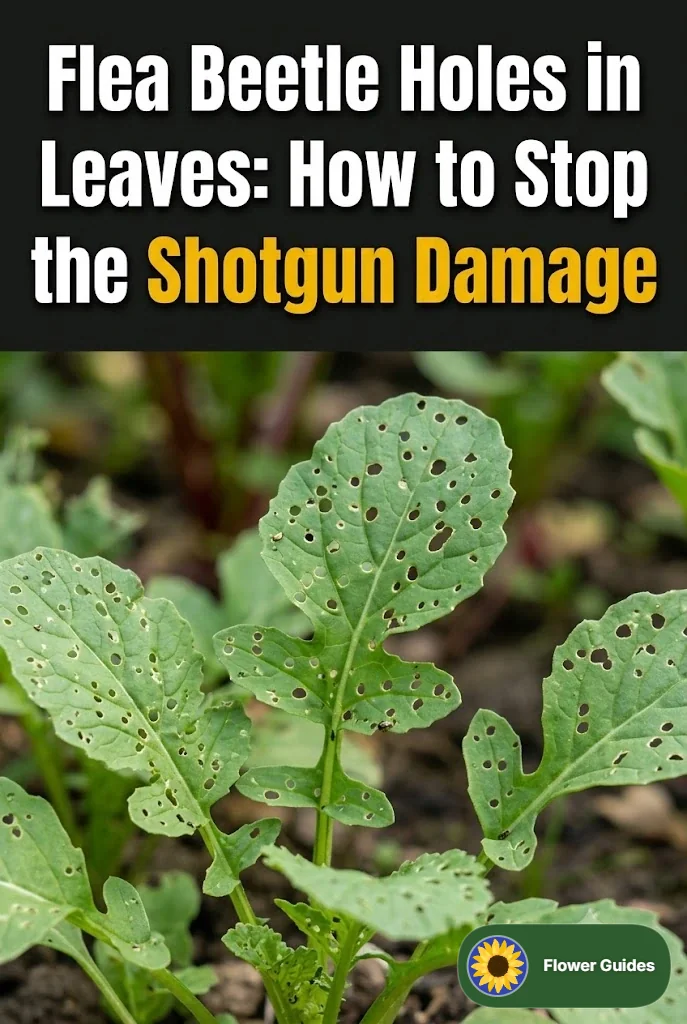
Look for irregular holes in leaves, particularly on young plants. Damage may also show as wilting or stunted growth, which can be signs of pest activity.
3. Are there any natural repellents for earwigs?
Some gardeners find success using diatomaceous earth sprinkled around plants as it can deter earwigs without harming beneficial insects.
Conclusion
Understanding the role of earwigs in your garden reveals a more nuanced picture. While they can potentially harm young plants, their benefits as scavengers and natural pest controllers are invaluable. By managing their populations and fostering a healthy ecosystem, you can enjoy the best of both worlds, allowing your garden to flourish with the help of these misunderstood insects.